Pregnancy Vaccine Significantly Reduces Baby Hospital Admissions for RSV
In an exciting development in maternal and child health, recent studies have confirmed the efficacy of a virus vaccine administered during pregnancy in significantly reducing the incidence of respiratory syncytial virus (RSV)-related hospital admissions for newborns. The RSV virus, a major cause of respiratory illness among infants, poses a significant health risk, leading to severe respiratory conditions and extended hospital stays for the youngest patients.
Understanding RSV and Its Impact
RSV is a common respiratory virus that usually causes mild, cold-like symptoms. In infants, however, RSV can lead to bronchiolitis or pneumonia, which are severe and potentially life-threatening. Hospitalization is often required to provide supportive care such as oxygen therapy and hydration.
RSV has long been a concern for healthcare providers and parents alike, particularly because young babies rely heavily on maternal antibodies for protection in the early months of life when their immune systems are not fully developed.
The Role of Maternal Vaccination
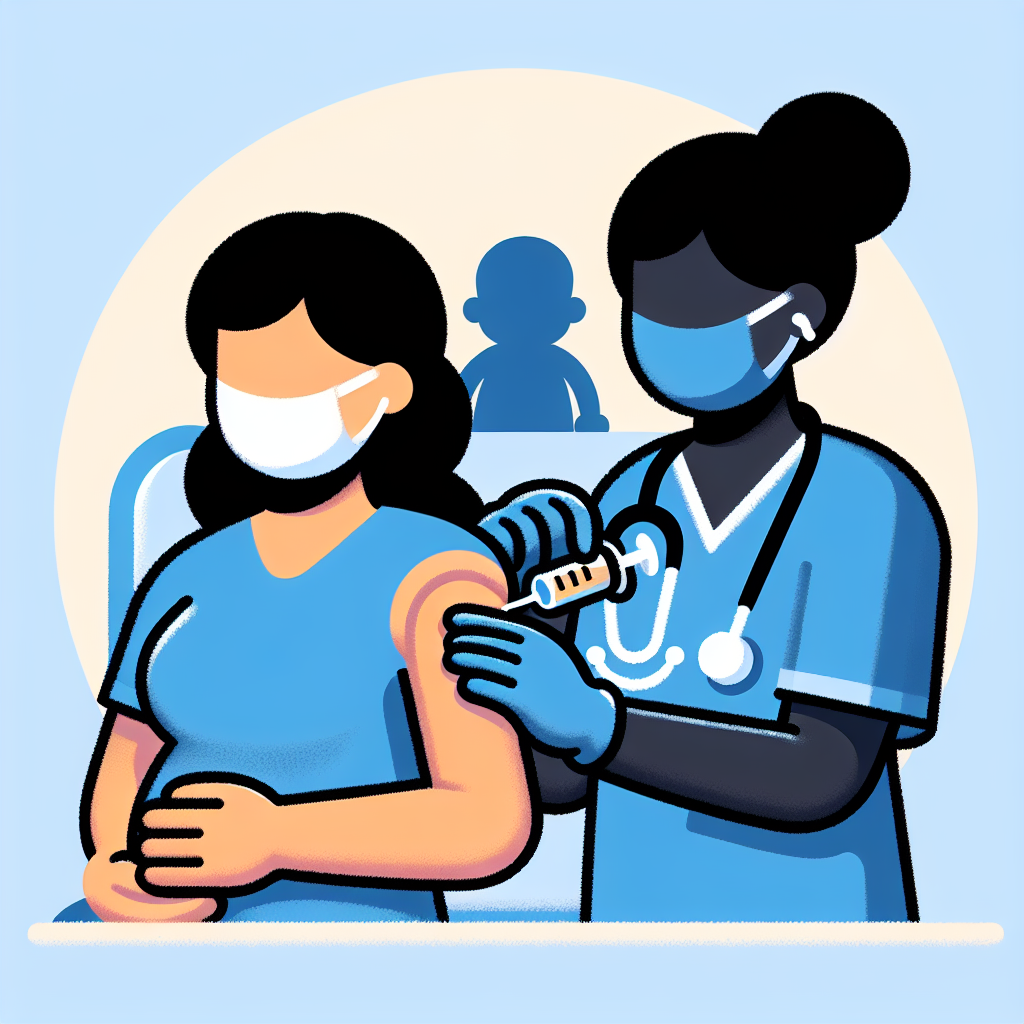
Maternal vaccination against RSV has been highlighted as a promising intervention. A study outlined by the BBC News confirms that the vaccine, when administered to pregnant women, can cut the rate of hospital admissions due to RSV by more than 80%.
The vaccine works by triggering an immune response in the pregnant person, thereby generating antibodies that are passed to the unborn baby through the placenta. This provides the newborn with immediate protection from RSV from birth and through the early months of life.
Analysis of Recent Research Findings
Research from a large-scale study, cited by the UK Government, followed nearly 300,000 babies whose mothers received the RSV vaccine during pregnancy. It confirmed a significant reduction in RSV-related hospital admissions.
This not only reduces the immediate health risks to infants but also alleviates the burden on healthcare systems, enabling better allocation of resources and care.
Global Perspectives on RSV Vaccination
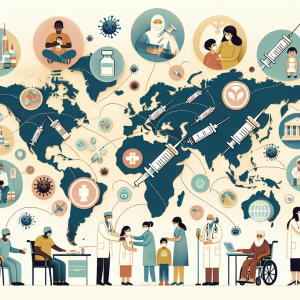
The positive outcomes of this vaccination present an encouraging model for similar public health strategies worldwide. Insights from the US Centers for Disease Control and other public health agencies emphasize the potential of maternal vaccines not only to provide direct infant health benefits but also to ease the demands on overstretched neonatal healthcare facilities worldwide.
Long-term Implications and Conclusions
While these findings are promising, further global implementation and public health policies are needed to broaden vaccine availability and education among expectant mothers. The demonstrated success of the maternal RSV vaccine could pave the way for preventive measures against other childhood infections.
The ongoing commitment to monitoring vaccine effectiveness and safety will be crucial to making maternal RSV vaccination a routine part of prenatal care and to protecting the most vulnerable.
In conclusion, the maternal RSV vaccine offers a hopeful outlook for reducing infant hospitalizations and improving neonatal health outcomes. As research continues and vaccine technology advances, the future looks bright for further enhancements in public health strategies against respiratory and other infectious diseases.