
Bridging Inequities in Global Health: Climate, Nutrition, Violence, and Beyond
Public health is a dynamic field where social determinants, environment, and systemic structures intertwine to shape people’s lives and wellbeing. This week’s research snapshot unveils critical insights across continents, from climate-challenged communities in rural Australia to nutrition innovations in Malawi, violence and health in Kenya, and the persistent burden of disease in marginalized populations worldwide. These studies underscore the urgency of equity-centered policies and integrated systems approaches that address complexity rather than siloed problems.
Climate Change, Gender, and Rural Health: A Blind Spot in Australia
Climate change is a profound driver of health inequities. New research from rural Victoria, Australia, reveals that while local governments recognize the intersection of climate impacts with gendered harms, especially increasing gender-based violence during climate disasters, they lack awareness of national frameworks like the Gender and Emergency Management (GEM) guidelines and practical tools for implementation. Female council officers face dual burdens managing professional crisis response and unpaid caregiving, highlighting systemic gaps in support.
Rural communities already experience layered disadvantages. Without gender-transformative policies that center lived experiences, challenge harmful norms, and build local capacity with sustained funding, women and children risk compounding climate-related health harms. For policymakers, this signals a critical call to embed gender equity firmly and practically into climate adaptation and health system planning, lest rural populations bear the brunt of widening disparities.
Nutritional Equity Through Soybeans: Empowering Caregivers in Malawi
Malawi’s persistent child undernutrition crisis calls for context-sensitive nutritional innovations. A study investigating household soybean processing methods demonstrates that dehulling alone, or when combined with roasting, yields porridge with the highest protein content and caregiver acceptability. Importantly, this aligns optimal nutrition with culturally feasible food preparation, offering a scalable avenue to strengthen complementary feeding in resource-limited rural settings.
This research spotlights how food systems and caregiver preferences must inform child nutrition interventions. Nutritional gains alone are insufficient without community uptake. Investing in training and resources that align agricultural practices with caregiver behaviors can drive sustainable improvements in child health. Globally, this underscores the need to integrate local food knowledge with nutritional science to reduce inequities in early-life nutrition.
Violence and Vulnerability: Emergency Departments as Critical Touchpoints in Kenya
Interpersonal and intimate partner violence are pressing public health challenges, particularly in settings like Nairobi where over half of surveyed emergency department patients reported lifetime violence exposure. This violence disproportionately affects populations with structural vulnerabilities, including homelessness and HIV-positive status. The study also notes a complex interaction where factors like higher education or income reduce violence risk, underscoring social determinants’ substantial roles.
The significance for health systems lies in recognizing emergency departments not simply as sites of acute care, but as pivotal intervention points for violence screening and support. Integrating violence prevention and social services into emergency care could address immediate harms and underlying determinants. However, this requires resources, workforce training, and protocols that are sensitive to the socioeconomic realities facing affected individuals.
The Unequal Toll of Non-Communicable Diseases Post-Imprisonment
A systematic review reveals that people with imprisonment histories in high-income countries face dramatically elevated risks of mortality and morbidity from a range of non-communicable diseases (NCDs), including cardiovascular, respiratory diseases, liver conditions, and multiple cancers. This unveils a hidden health burden compounded by incarceration-driven disadvantage, often overlooked in mainstream public health.
From a policy perspective, this evidence demands integrative justice and health reforms. Addressing NCDs among formerly incarcerated populations involves not only improving prison healthcare but ensuring continuity of care, social reintegration supports, and tackling upstream determinants like poverty and discrimination. Failure to do so perpetuates cycles of marginalization and health inequity, deeply entrenching systematic disparities.
Food Insecurity and Mental Health: The Hidden Crisis in the UK
Food insecurity’s impact on mental health, especially among low-income ethnic minorities and parents in the UK, emerges as a multidimensional crisis where inadequate food access aggravates anxiety, depression, and social isolation. High food costs, especially for culturally important foods, evoke identity and socialization challenges beyond nutritional deficits.
This research highlights the intricate fabric of socio-demographic inequalities driving health outcomes. Policies must transcend single-issue fixes and instead address income support, culturally responsive food programming, and mental health services as interconnected priorities. For public health systems, this means adopting holistic, equity-sensitive frameworks that acknowledge food as a social determinant and a beacon of community dignity.
Lessons for Action: Integrated, Equity-Focused Public Health Systems
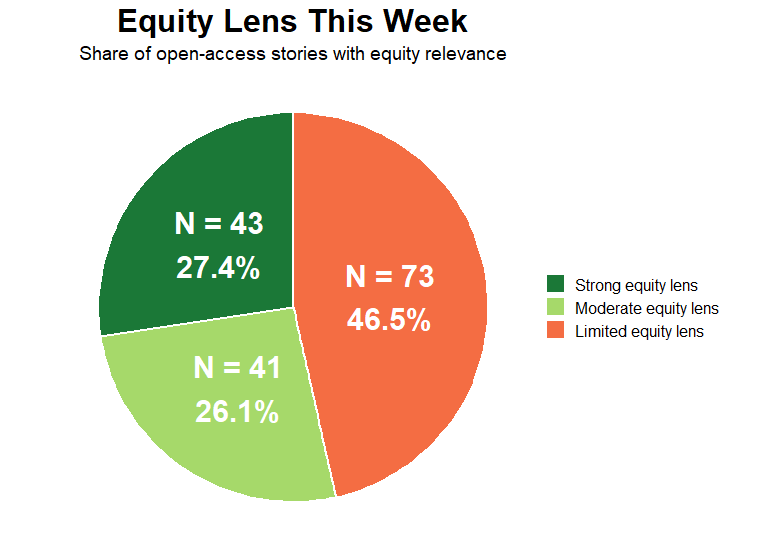
This week’s findings illuminate that health inequities arise from complex intersections of gender, environment, socioeconomic status, incarceration history, and cultural identity, which demand integrated solutions. Policymakers and health systems must shift from fragmented approaches to multisectoral, justice-oriented frameworks that embed equity across arenas such as climate adaptation, nutrition, violence prevention, chronic disease management, and social protection. Targeted funding, continuous capacity-building, community engagement, and data-informed policymaking are critical to this shift.
Moreover, elevating lived experiences ensures interventions resonate on the ground, enhancing their effectiveness and sustainability. For advocates, these studies reinforce the urgency of pushing for systemic reforms and thoughtful investment in vulnerable populations worldwide. The health of individuals and communities alike depends on dismantling structural barriers and creating adaptive, inclusive systems that serve everyone equitably.
Stay informed. Stay engaged. Subscribe to This Week in Public Health for evidence-driven insights and policy-relevant updates that move equity from aspiration to action. Together, we can build healthier, fairer futures.