Global Wildlife Trade and Its Impact on Public Health
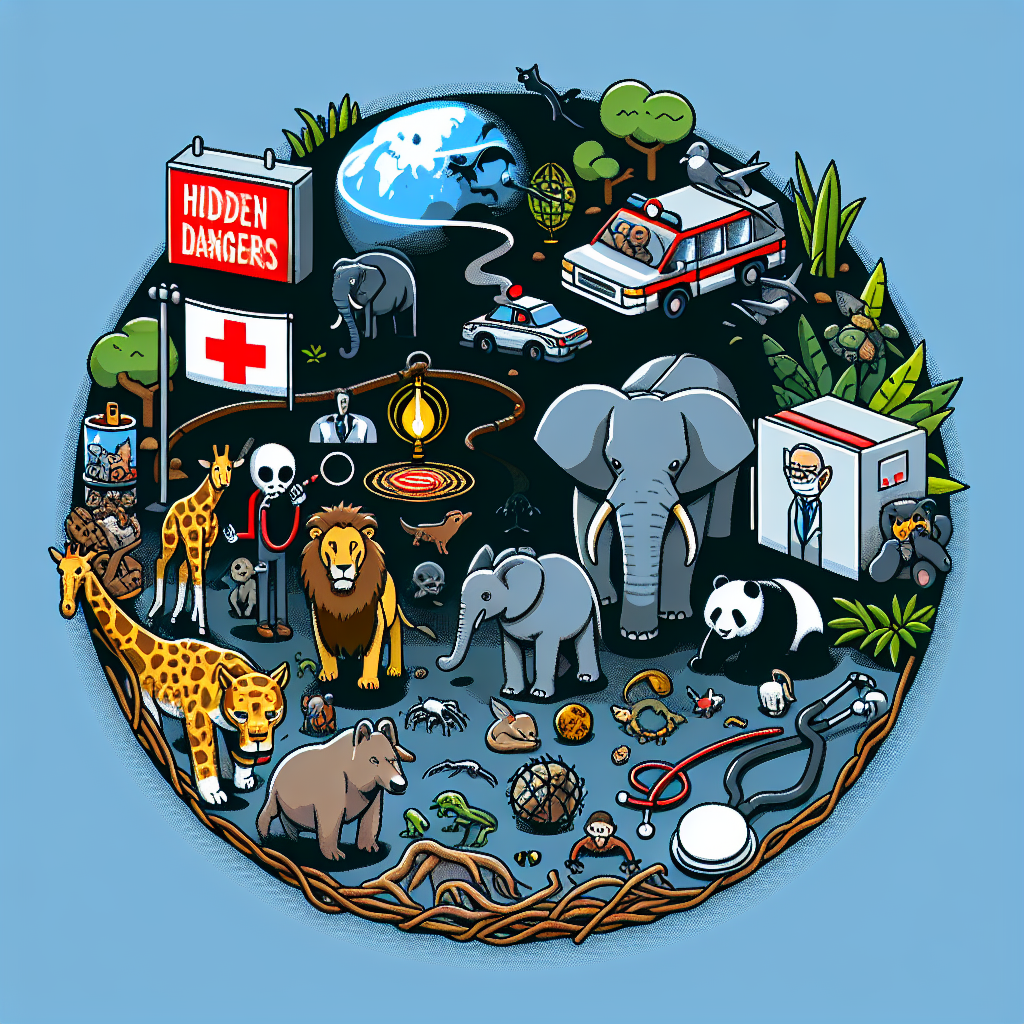
The interconnectedness of the world today brings not only economic and cultural benefits but also hidden dangers, especially in the global wildlife trade.
As highlighted in a recent study covered by the New York Times, live animal markets and the illegal sale of wildlife present significant risks, contributing to the spread of diseases from animals to humans, known as zoonotic diseases. These threats are amplified as wildlife trade continues at an alarming rate, posing a critical public health challenge.
The Perils of Wildlife Trade
Wildlife trade encompasses legal and illegal activities related to the sale and exchange of wild animals and their products. While this trade is a livelihood for many across the globe, it creates avenues for disease spillover, in which viruses, bacteria, and other pathogens jump from animals to humans. The COVID-19 pandemic has already demonstrated the catastrophic impact of such zoonotic transfers.
Live Animal Markets Under Scrutiny
One of the most concerning aspects of the wildlife trade is the presence of live animal markets. These markets, where animals are sold live and often slaughtered on-site, are hotspots for disease transmission. The cramped conditions, mix of species, and lack of regulatory oversight create the perfect breeding ground for pathogens, increasing the risk of new zoonotic diseases emerging.
Illegal Trade: A Catalyst for Disease
The illegal wildlife trade is even more insidious, often avoiding scrutiny and lacking any health checks. It’s estimated that this underground economy is worth billions of dollars, involving everything from exotic pets to bushmeat. Such trade not only threatens biodiversity but is a significant vector for diseases, as exotic animals often carry viruses unknown to the local ecosystem.
Consequences for Public Health
The risks posed by the wildlife trade are manifold. The direct impact is the immediate risk of zoonotic outbreaks, but the implications go beyond this. Healthcare systems may face unprecedented pressures, and economies could suffer severe setbacks due to pandemics triggered by new infectious diseases.
Spillover and Disease Emergence
When pathogens cross the species barrier, known as spillover, the human immune system is often unprepared, leading to rapid, sometimes global, spread. Diseases like Ebola, avian influenza, and SARS have all been linked to animals traded in wildlife markets.
Impacts on Healthcare Systems
Outbreaks originating from wildlife trade can strain already fragile healthcare systems, especially in low- and middle-income countries. These nations often export wildlife or operate under regulatory gaps that allow wildlife markets to flourish, leaving them vulnerable to rapid disease spread.
Global Efforts and Solutions
Tackling the public health impacts of wildlife trade requires a multifaceted approach. Global cooperation, stricter regulations, and increased awareness are critical to mitigate the risks.
Strengthening Regulations and Enforcement
International agreements like the Convention on International Trade in Endangered Species of Wild Fauna and Flora (CITES) play a pivotal role. However, enforcement must be enhanced, and penalties for illegal trade should be stringent to deter traffickers.
Promoting Alternative Livelihoods
Efforts to curb wildlife trade must also address the socioeconomic roots of the issue. Providing alternative livelihoods for communities reliant on wildlife trade can reduce the economic incentives that drive illegal activities.
Public Education and Awareness
Public awareness campaigns are crucial in changing consumer behavior, discouraging the demand for exotic pets and products derived from wildlife. Educating consumers about the risks and encouraging sustainable choices can help reduce the wildlife trade’s impact on public health.
Conclusion
The global wildlife trade presents a significant public health hazard. As the lines between human environments and natural habitats blur, we must act to mitigate the risks posed by illegal and unregulated wildlife markets. Through coordinated global efforts, we can safeguard public health, protect biodiversity, and ensure a sustainable future.
And yes, this was the subject of the weirdest episode of Law and Order: SVU.