How Workplace Bullying Harms Worker Mental Health Across Europe
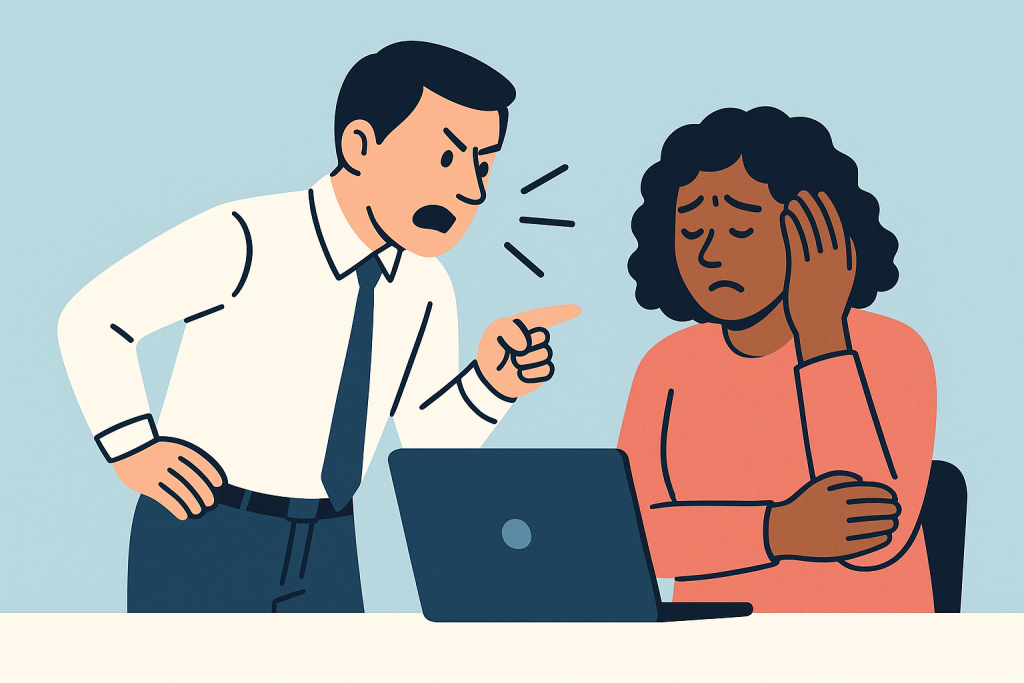
The bustling office in downtown Paris was a usual sight. However, beneath the surface, an undercurrent of unease rippled through the workforce. Marie, a diligent project coordinator, hesitated before opening an email. She had delayed it as much as she could, bracing herself for yet another round of abrasive comments masquerading as ‘feedback’ from her manager.
In a more extreme version, the recent Sam Raimi film explored (in a great comedic/horror film) the buildup of a woman in such a toxic environment.
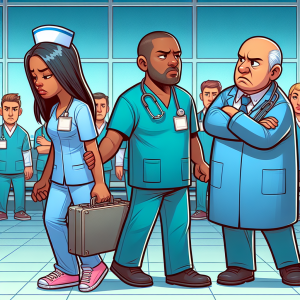
Workplace offensive behaviors such as bullying, harassment, and violence aren’t just isolated incidents—they’re unfortunately common, shaping the work environment across Europe. A recent study published in Public Health unveils a troubling landscape, highlighting how these behaviors are linked to adverse mental health outcomes like anxiety, fatigue, and sleep disturbances in employees across 35 countries in Europe.
What the Study Asked
In light of growing public awareness about workplace mental health, this study sought to uncover how prevalent offensive workplace behaviors are across Europe, and to explore their impact on vital mental health outcomes: anxiety, fatigue, and sleep problems. Focusing on equitable consideration of gender across sectors, the researchers aimed to identify specific patterns and systemic issues.
Behind the Numbers: Methodology
The study draws on data from more than 43,850 workers in the European Working Conditions Survey, representing a wide range of jobs, sectors, and demographic groups. The researchers showed that workplace violence, sexual harassment, and bullying are not isolated interpersonal problems. They are measurable occupational hazards linked to higher risks of anxiety, fatigue, and sleep problems among workers.
Key Findings and Insights
Reports indicated that workplace bullying stood at a stark 4.2%, with sexual harassment and physical violence trailing behind. Notably, women reported higher incidence rates, particularly for sexual harassment and bullying. These behaviors exacerbate mental health conditions, with bullying presenting the strongest correlation: a threefold increase in anxiety risk.
This reveals a systemic issue: environments permitting such behaviors contribute severely to mental health strains, necessitating robust workplace policies and reform.
Why It Matters
This study exposes crucial disparities in how workplace health and safety are managed across countries and sectors. By uncovering these variations, it prompts public health leaders to reimagine protective measures, with an emphasis on organizational accountability rather than individual resilience alone. It’s a call to action for inclusive policies that promote health equity and systemic change.
What This Means in Practice
- Organizations should integrate comprehensive anti-bullying policies, ensuring they are not merely on paper but actively enforced and reflected in company culture.
- Focus on creating safe reporting mechanisms that empower employees to share concerns without fear of retaliation.
- Public health agencies should provide training for leaders and employees alike, fostering environments where respect and psychological safety are paramount.
- Policies should be scrutinized to ensure they account for racial, gender, and class-based differences in the workforce experiences.
The Hard Part: Turning Evidence Into Action
Implementing such changes isn’t without challenges. Financial constraints, the political climate, and varied cultural perceptions of offenses such as harassment can hinder progress. Additionally, there’s a need for ongoing dialogue to reform outdated systems that fail to protect all workers equitably.
Moreover, the observational nature of the study precludes definitive causal inference. The survey relies on self-reports, which, although comprehensive, can introduce biases. Addressing these gaps with longitudinal studies would bolster the understanding of long-term impacts.
Ending
The email finally opens, its screen reflecting more than thoughts—it bears an urgent cry for advocacy and systemic change. Like Marie, countless individuals navigate workplaces where their mental health is at risk. The stories shared through research like this highlight not only the urgency but also a steadfast hope for healthier, more equitable work environments.
Conversation-Starting Questions
- How can organizational policies be restructured to effectively tackle workplace bullying and harassment?
- What roles do funding and policy-making play in addressing the varied incidences of workplace mistreatment across different European countries?
- How might workplace culture be transformed to prioritize mental health and safety equally for all employees?