Understanding Rejection Sensitivity and Suicidal Ideation in College Students
Picture a university dormitory in Shanghai at sunset. The hallways, usually buzzing with energy, fall quiet as students retreat to their rooms, books in hand and stress on their minds. For many Chinese college students, university represents a mix of academic pressure and intense social expectations. In this environment, fear of rejection isn’t just an emotional anecdote—it’s a potential risk factor for something much darker.
Why Rejection Sensitivity Matters
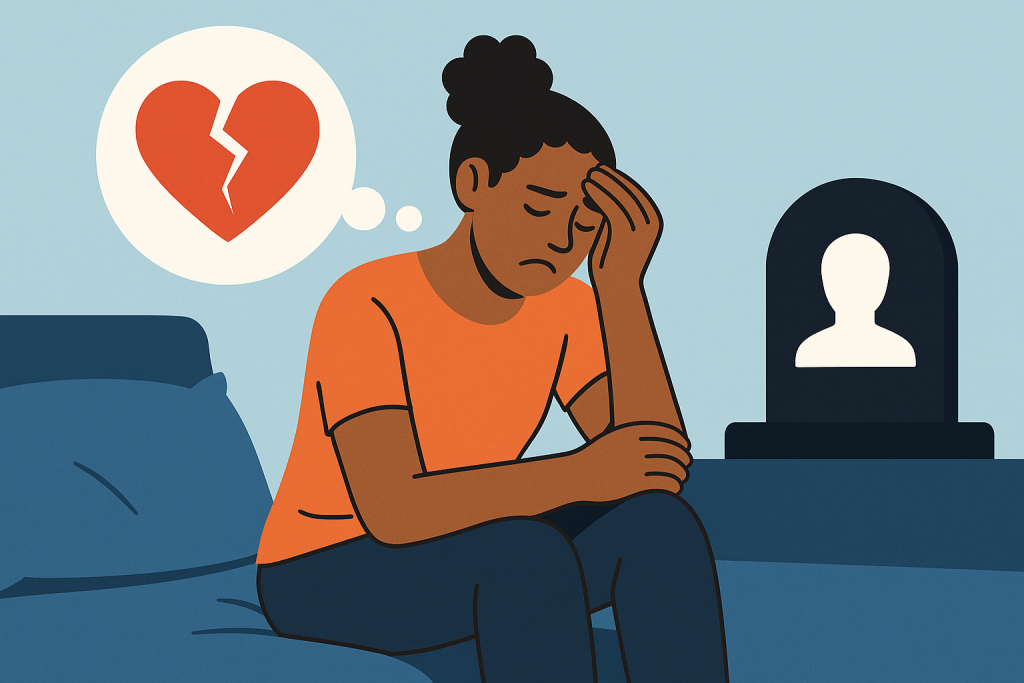
In a culture where social harmony is paramount, rejection sensitivity may deeply impact mental health. Rejection sensitivity is the tendency to anxiously anticipate, perceive, and overreact to rejection. It’s more than just an interpersonal issue; it’s a cognitive vulnerability that can exacerbate negative emotions and lead to dire outcomes, like suicidal ideation.
The Study’s Purpose
Researchers from Shanghai Normal University, led by Weiman Yan and colleagues, aimed to understand how rejection sensitivity contributes to suicidal thoughts among college students. They explored the mediating roles of social connectedness and negative affect—two factors profoundly shaped by students’ campus experiences.
Methodology
The study utilized a survey of 1,152 college students, assessing rejection sensitivity, social connectedness, negative affect, and suicidal ideation. Researchers leveraged statistical models to uncover both direct and indirect pathways linking rejection sensitivity to suicidal ideation.
Key Findings
The findings illuminated a significant positive correlation between rejection sensitivity and suicidal ideation. Notably, social connectedness and negative affect served as both independent and chain mediators in this relationship. In essence, students sensitive to rejection were likely to feel less socially connected, experience heightened negative emotions, and ultimately entertain suicidal thoughts.
Why It Matters
The study sheds light on crucial issues for public health professionals and educators. In the high-pressure environment of Chinese universities, students’ fear of social exclusion can turn into a mental health crisis. This research emphasizes that addressing mental health requires both reducing stigma and fostering community.
What This Means in Practice
For public health leaders and educators, the implications are clear:
- Invest in Social Structures: Universities should create programs that foster real social connections, offering students ways to engage meaningfully with peers and mentors.
- Support Mental Health Services: Provide accessible, culturally sensitive counseling services focused on relationship-building and emotional regulation.
- Develop Targeted Interventions: Tailor interventions to help high-risk students by mitigating rejection sensitivity through social skills workshops and emotional resilience training.
The Hard Part: Turning Evidence Into Action
Implementing these findings poses challenges. Institutional change requires resource allocation, policy shifts, and often wrestling with cultural stigmas. Additionally, rejection sensitivity is a complex trait, partly rooted in cultural norms, making it difficult to address through simple awareness campaigns.
Perhaps the most daunting barrier is community mistrust of mental health interventions. Many students view seeking help as a sign of weakness, driven by societal pressures to maintain ‘face’ or social standing.
While these barriers exist, they aren’t insurmountable. A collaborative, culturally attuned effort involving educators, policymakers, and mental health professionals could pave the way for systemic improvement.
From Evidence to Action
Returning to our hallway in Shanghai, imagine it now—students chatting in common rooms, participating in mental health seminars, building connections, and supporting one another. This could be the reality if we act upon the study’s insights.
By understanding the intricate dynamics at play, we can tailor interventions that alleviate social and emotional burdens, ultimately fostering a safer and more supportive educational environment.