
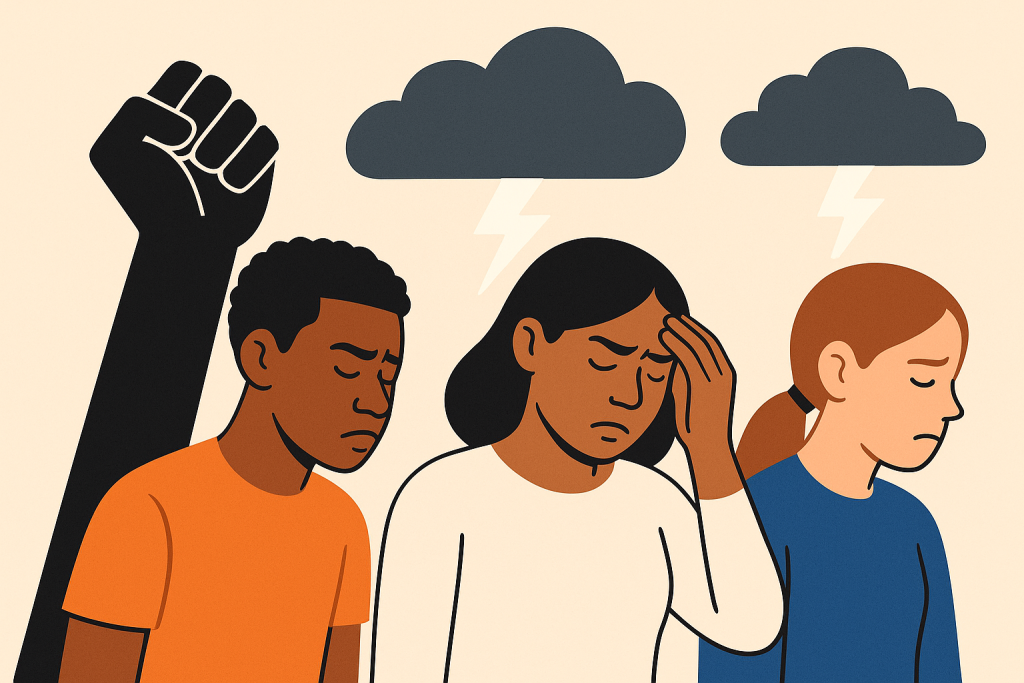
Racism’s Cumulative Toll on Youth Mental Health: A Call for Action in Colorado
In the halls of a Colorado high school, a counselor tries to comfort a student who reluctantly shares his growing sense of hopelessness. As they talk, it becomes clear that this feeling isn’t just about grades or peer pressure. It’s rooted in something more insidious: experiences of racism that have accumulated over time, like drops of dye darkening clear water. This scene plays out every day in schools, highlighting a public health concern that is both urgent and complex.
The Weight of Racism
Racism, an enduring stressor, undermines mental health and disrupts adolescent development. In Colorado, where diversity is painted across a backdrop of systemic inequality, experiences of racial discrimination significantly impact minority adolescents’ mental health. This issue is not unique to individuals; it’s woven into the social fabric, demanding a broader understanding and urgent action.
Dissecting the Challenge
A recent study examined how cumulative experiences of racism affect mental health outcomes among minority adolescents in Colorado high schools. Researchers focused on depressive symptoms, suicidal thoughts, and behaviors among racial and ethnic minority groups, using data from the 2023 Healthy Kids Colorado Survey.
The study’s findings are illustrative yet alarming: Asian American teens reported the highest likelihood of considering or attempting suicide when experiencing repeated racism. Black adolescents showed pronounced depressive symptoms, and Hispanic youth were most likely to have made suicide plans under similar conditions. These results reveal racism’s severe impact on young lives, with each experience of discrimination intensifying mental health risks.
A Deeper Dive into the Research
The researchers analyzed nearly 50,000 survey responses (a really, really good sample size) and used logistic regression models to assess mental health outcomes across different levels of exposure to racism. They found that adolescents with three or more experiences of racism faced significantly increased odds of depression and suicidality. This was true across Asian American, Black, and Hispanic groups, indicating a pervasive problem that transcends individual backgrounds.
Why This Matters
This study underscores the urgent need for anti-racism initiatives in schools and communities. Understanding racism as a cumulative stressor can reshape our approach to adolescent mental health. It’s not just about isolated incidents but the ongoing, systemic experiences that many young people face on a daily basis.
What This Means in Practice
Addressing this public health crisis requires targeted, culturally responsive interventions:
- Schools should implement regular screenings for experiences of racism and bolster mental health services tailored to minority youth.
- Policymakers can expand anti-racism training for educators and invest in inclusive curricula that foster tolerance and understanding.
- Community-based organizations might partner with schools to provide safe, supportive environments for open discussions about race and mental health.
The current systems must evolve to reflect an understanding of racism’s cumulative toll, requiring collaborations across various sectors to build resilience and support for adolescents.
The Hard Part: Turning Evidence Into Action
The path from evidence to effective action is fraught with obstacles—> imited funding, political inertia, and data gaps complicate efforts to address racism in comprehensive ways. Moreover, the complexity of racial identity and experience means that one-size-fits-all solutions are inadequate.
Methodologically, the study faced challenges, including limited sample sizes for certain sub-groups and reliance on self-reported data, which could introduce bias. However, these scientific limitations don’t diminish the study’s overall message: racism’s mental health impacts are significant and undeniable.
Visualizing the Path Forward
While statistics offer a stark portrayal of the problem, personal stories and community-driven discussions can humanize these experiences, turning data into meaningful action. Suggested visual: A flow diagram showing the pathway from individual experiences of racism to mental health outcomes, amplified by community-level responses and interventions.
Returning to the Counselor’s Room
The student feels heard, but as they leave the counselor’s office, the weight of racism still looms. This study highlights that addressing mental health isn’t only about providing immediate relief; it’s about dismantling the systemic barriers that allow such distress to persist. Schools, policymakers, and communities must rally together to create environments where all adolescents can thrive without the shadow of discrimination.
Conversation Starters:
- How can schools better integrate anti-racism policies into existing mental health frameworks?
- Who might still be excluded from supportive services, and how can outreach be improved?
- What role can local governments play in shaping anti-racism initiatives that benefit adolescent mental health?