Rethinking Misinformation: Insights from Black Communities
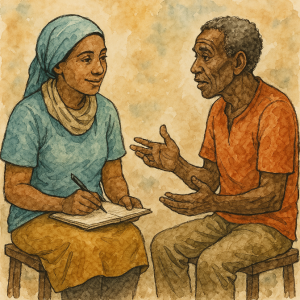
Picture a community meeting in Milwaukee. Local residents gather in a familiar space, eager to discuss a topic that seems both crucial and frustratingly elusive: misinformation. For many Black Wisconsinites in the room, misinformation isn’t an abstract academic concept; it’s a daily challenge, tangled with their unique lived experiences.
These community members have a lot to say. They talk about navigating a digital landscape rife with incomplete or misleading information, often exacerbated by historical and systemic racism. They meet to share solutions, voice common frustrations, and discuss ways to discern truth from misinformation in health and science communications.
The Challenge of Misinformation
Misinformation has increasingly been recognized as a pervasive barrier to public health communication, especially in the wake of the COVID-19 pandemic. While much of the scholarly attention has focused on defining misinformation, less attention has been paid to how persistently marginalized communities experience it. The unique encounter with misinformation by Black Americans, shaped by historical injustices and present-day discrimination, remains understudied but is critical to the broader discussion.
A New Perspective: Community Conversations
In a groundbreaking study by researchers from the University of Wisconsin–Madison and UBUNTU Research & Evaluation, community conversations shine a light on how Black Wisconsinites define and navigate misinformation. These dialogues reflect a broader, lived experience that challenges the conventional understanding of misinformation as merely inaccurate information. For these communities, misinformation can be incomplete, irrelevant, and inextricably tied to the fabric of racism.
Key Insight: Context and Communication
For Black communities in Wisconsin, misinformation isn’t simply incorrect information. It’s a more complex amalgamation of incomplete stories and messages irrelevant to their lived experiences. Consider a story shared during the conversations: a Black woman remembers her mistrust after receiving insensitive and irrelevant advice from a doctor unfamiliar with her cultural context.
This story highlights a crucial factor: the context and applicability of information. The relevance and trustworthiness of information are judged on whether it considers their cultural experience and history of exclusion.
Misinformation and Racism
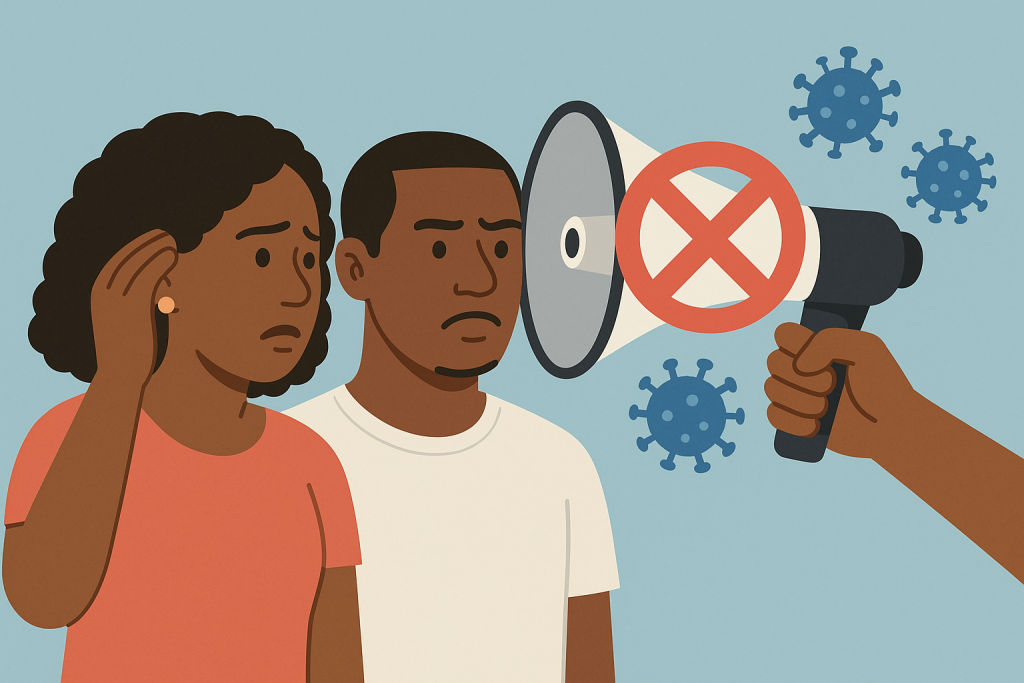
Racism plays a pivotal role in shaping the experience of misinformation for Black communities. The participants noted that often, misinformation seems designed to exploit their communities’ mistrust in health systems—mistrust that has grown from generations of systemic racism and medical exploitation. This earned mistrust shapes their engagement with new information and fuels skepticism that’s hard to overcome without genuinely inclusive dialogue.
What This Means in Practice
- Local health departments should engage in culturally competent communication, actively working to build trust by being transparent about their aims and incorporating community feedback into the design of health messages.
- Policy makers must consider the historical and present contexts of racism that inform public health communication, ensuring policies support trustworthy information dissemination.
- Community-based organizations might focus on creating spaces where community members can collectively discuss and vet information, empowering them through knowledge-sharing networks.
The Hard Part: Turning Evidence Into Action
While the community conversations offer a clear understanding of how these Black communities experience misinformation, acting on the findings isn’t straightforward. Structural barriers remain substantial, including insufficient resources, gaps in cultural competence within health systems, and community mistrust of institutions.
Moreover, the scientific limits of this study, such as its regional focus and community-based design, mean that similar engagement strategies should be confirmed with other communities across varied contexts.
Conclusion: A Collective Effort Towards Understanding
Returning to that room in Milwaukee, it’s clear that these dialogues are just the beginning. They illustrate a crucial shift towards validating Black lived experiences in public health scholarship. Indeed, understanding and addressing the nuanced fabric of misinformation — one intertwined with trust, relevance, and historical inequity — is essential for meaningful engagement and effective public health communication.
Conversation-Starting Questions
- How would these findings help your community build trust in public health initiatives?
- In what ways does your organization involve local communities in designing health communications?
- What policy changes could better support the dissemination of accurate and relevant health information to marginalized communities?