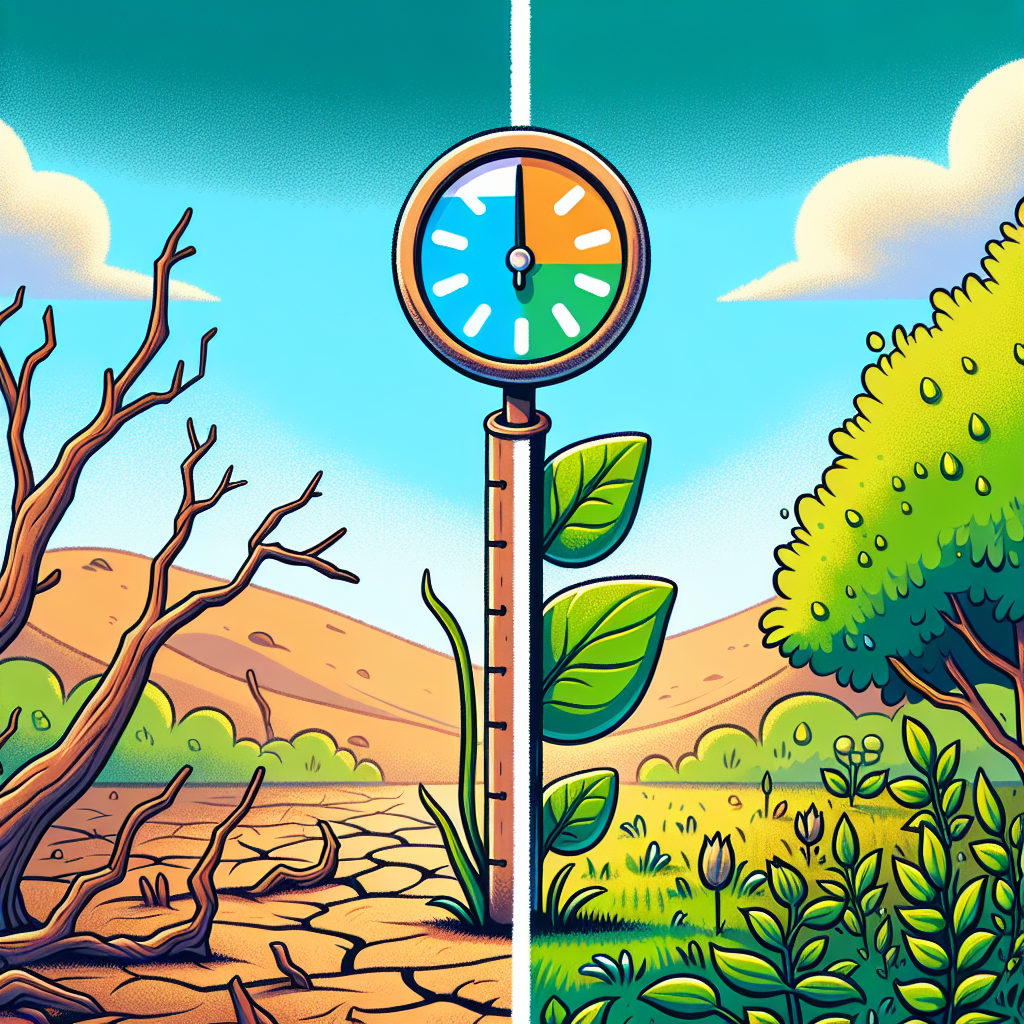
Redefining Water Scarcity: New Insights from IWSRI
A public health officer in Sana’a, Yemen, faces a daily challenge: finding enough clean water for thousands of families amid ongoing conflict and climate pressures. This struggle is not unique to Yemen; it’s a pressing issue across many regions facing severe water stress. Water scarcity is no longer just a matter of limited rainfall or depleted aquifers; it is an intricate web intertwining environmental, political, and socio-economic factors.
Understanding the Complex Problem
Traditional measures of water scarcity have focused primarily on physical availability. However, these overlook the socio-political and governance issues that significantly shape access to resources. Climate change exacerbates these conditions, intensifying droughts and conflicts. As global temperatures rise, the complexity of water scarcity demands a new approach.
The Integrated Water Strategic Resilience Index (IWSRI)
Filippo Verre and colleagues propose a groundbreaking tool called the Integrated Water Strategic Resilience Index (IWSRI). Unlike traditional models, IWSRI incorporates factors such as government stability, infrastructure resilience, economic adaptability, and geopolitical influences, as well as environmental metrics.
Essentially, the IWSRI evaluates water scarcity with a broad lens, recognizing that political instability, poor governance, and inadequate policies are as crucial as the actual quantities of available water.
Key Findings from the Study
By applying IWSRI to the Middle East and North Africa (MENA) region, the research highlights glaring disparities. Israel, Qatar, and the UAE exhibit high water resilience due to robust infrastructure and political stability. In contrast, countries like Yemen and Syria face severe scarcity exacerbated by conflict and administrative challenges. These findings underscore the profound influence of governance and socio-political stability on water security.
What This Means in Practice
- Local Health Departments: Recognize the interconnected factors contributing to water scarcity and advocate for policies that bolster governance and infrastructure.
- NGOs: Prioritize projects that enhance community resilience and political engagement.
- Community-Based Programs: Support grassroots efforts that focus on sustainable practices and political advocacy.
Breaking Down Barriers to Action
Despite the comprehensive nature of IWSRI, its implementation faces hurdles, such as data availability and the need for political reform. The index also relies on sensitive political data, which may be difficult to collect consistently across conflict-ravaged regions.
What’s Next?
The future of water management lies in integrating indices like IWSRI into policy and decision-making. By focusing on multi-faceted assessments, nations can craft more resilient water strategies amidst rising environmental and political uncertainties.
Open Questions
- How can your agency tailor the insights from IWSRI to address local water challenges?
- What specific regional governance reforms could enhance water resilience?
- Does your current understanding align with these findings, or are there areas of surprise?
Water resilience is not a distant concept but an immediate necessity. By rethinking water scarcity through integrated and diverse lenses, we can equip ourselves better to combat the challenges looming on the horizon.