
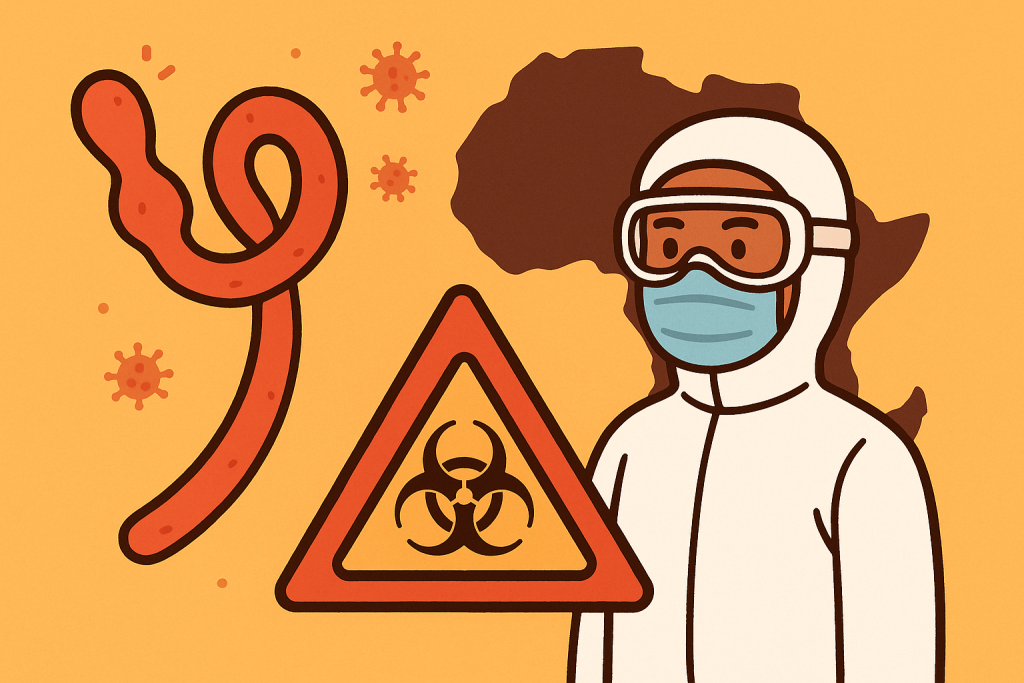
The Rising Threat of Ebola: Lessons from Recent Outbreaks and Public Health Strategies
The world has witnessed a surge in Ebola cases, particularly in the Democratic Republic of the Congo (DRC). As health organizations scramble to contain the outbreak, it is essential to examine the challenges and best practices for managing such epidemics. This blog post explores the latest findings on the Ebola virus, public health responses, and innovations that could play a crucial role in future preparedness.
Build Your Public Health Issue
Tell us a little about your work, and we’ll build a personalized issue with five things worth knowing.
Understanding the Current Ebola Outbreak
Recent reports indicate that the ongoing Bundibugyo virus outbreak in DRC has raised alarm bells among public health experts. A sharp surge in cases has highlighted the challenges of diagnosing and treating this pathogen, particularly given limited access to health services in many affected communities. According to UN officials, the virus’s rapid spread requires urgent international support and intervention.
The Disproportionate Impact on Vulnerable Populations
Women and girls are bearing a disproportionate burden amidst the ongoing health crisis. A report indicates that many of these individuals are on the frontlines, caring for infected family members while facing the risk of infection themselves. The urgent need to protect this population from harm emphasizes the importance of tailored public health strategies.
Innovative Responses and Community Engagement
Efforts to deploy new vaccines are underway. A reported Ebola vaccine trial has begun involving frontline health workers in the DRC, showcasing the integration of innovative methods into infection control. Such strategies, supported by robust local community engagement, are fundamental in ensuring the effectiveness of public health interventions.
Moreover, programs aimed at educating communities about the signs and symptoms of Ebola remain crucial for early diagnosis and containment
Technological Advances and Future Preparedness
From a scientific perspective, ongoing research seeks to uncover the mechanisms behind the virus’s behavior. For instance, scientists have begun to understand how the virus mutates, allowing it to evade prior immune responses. This knowledge could facilitate the development of next-generation vaccines and treatments that are more effective in combating the disease.
The Role of Global Health Initiatives
As the pandemic’s lessons continue to unfold, the commitment of global health organizations like the World Health Organization and UNICEF is indispensable. Their advocacy for equitable access to health care services and disease prevention strategies reflects the multifaceted nature of global health.
Furthermore, the collaboration among international experts and local health workers exemplifies the importance of pooling resources in the face of a global health crisis. By continuing to foster these partnerships, we can better devise comprehensive responses that address ongoing and emerging health threats.
Conclusion
The recent Ebola outbreak in the DRC has underscored the necessity for adaptive public health strategies in the wake of rising epidemic threats. By focusing on community education, innovative research, and global collaborations, we can pave the way towards a more resilient healthcare system. Continuing to heed the lessons learned from past outbreaks will be pivotal as we strive to mitigate the impact of future pandemics.