Urgent Insights into the Global Impact of Snakebite Envenoming
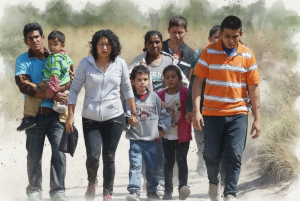
In the sun-parched fields of rural sub-Saharan Africa, a farmer sets out at dawn, oblivious to the hidden danger that lurks just beneath the soil. To many in this region, snakebites are a silent shadow, impacting not only their health but also their livelihoods. The stakes are high, as the deadly consequences of snake envenoming ripple through communities already grappling with limited healthcare access and poverty.
The issue of snake envenoming, as highlighted by a comprehensive study published in PLOS Medicine, sheds light on a public health crisis affecting millions globally each year. The urgency to understand and act on the issue has never been more critical.
Build Your Public Health Issue
Tell us a little about your work, and we’ll build a personalized issue with five things worth knowing.
The Global Scale of the Problem
Snake envenoming (SE) is not merely a collection of isolated incidents, but a profound global health challenge that overwhelmingly affects impoverished rural communities in tropical and subtropical regions. Historically, estimates of snakebite incidence and mortality have lagged behind reality due to scarce and outdated data, potentially understating the true burden. The recent study provides an updated, more accurate picture of this often-overlooked public health menace.
What the Study Asked and Why It Matters
The study posed a challenging question: How can we better estimate the global burden of snake envenoming and snakebite-related deaths using modern methodologies? The answer is crucial for guiding prevention and treatment efforts, improving access to care, and effectively deploying scarce resources, particularly life-saving antivenom, in the regions where they are most needed.
Translating the Methodology
The researchers conducted a thorough literature review, followed by advanced geostatistical modeling to determine the incidence rates of snake envenoming and associated mortality across countries. They included variables reflecting social and environmental conditions, acknowledging that underreporting is a significant barrier to accurate data collection. Their model captures the nuances of snakebite occurrences globally, particularly emphasizing the heavy toll in regions like sub-Saharan Africa, South Asia, and Southeast Asia.
Key Findings: Unearthing Hidden Burdens
Remarkably, the study estimates some 2.1 million snake envenomings and 274,000 deaths worldwide each year, with potential upper bounds pushing these figures to 7 million envenomings and 513,000 deaths annually. These numbers are stark and potentially reflect up to three times the incidence rate of previous estimates, with sub-Saharan Africa alone accounting for 45% of global cases.
Implications for Equity and Social Justice
These revelations carry significant implications for health equity. The worst-affected are often those in low-income countries with fragile health infrastructures, limited access to antivenom, and entrenched gender inequalities. The burden is disproportionately borne by communities living in rural poverty, where healthcare access is minimal and educational outreach is lacking.
What This Means in Practice
- Health Departments: Prioritize resource allocation for antivenoms and capacity-building in snakebite-prone regions.
- Community-Based Organizations: Utilize local knowledge to improve community education on preventing snakebites and accessing timely care.
- Policymakers: Develop policies that integrate snakebite management into broader health and sustainability frameworks, considering the socio-economic factors described.
- Researchers: Further refine data collection strategies and engage in rigorous local studies to support future model enhancements.
The Hard Part: Turning Evidence Into Action
Implementing these changes is fraught with challenges: limited funding, political inertia, and discrepancies in healthcare quality and access are just a few barriers. Community mistrust towards modern medical facilities, alongside unequal infrastructural support, further complicates targeted interventions.
Moreover, the inherent limitations in current data—sample sizes and generalizability issues from models based on assumptions—indicate that additional work is needed to ensure robust, accurate, and actionable insights.
Ultimately, this study acts as a call for enhanced data collection, improved healthcare infrastructure, and equitable resource distribution that aligns with the genuine needs of affected communities. Progress hinges on integrating these findings into practical strategies that protect lives and sustain livelihoods against the silent threat of snakebites.