Addressing Witchcraft Accusations: A New Public Health Challenge
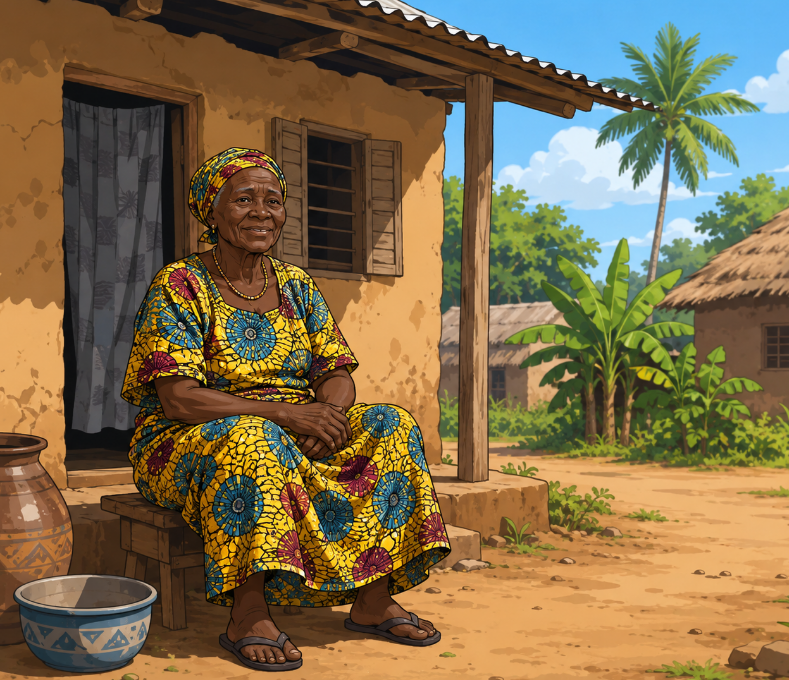
Imagine the tense air within a small community meeting in rural Ghana. The village chief rises to address the crowd, his words weaving through wary glances and whispered worries. They’ve gathered because yet another grandmother has been accused of witchcraft. This isn’t just folklore—it’s a peril that desecrates familial bonds and suppresses community health.
Older women, vulnerable and socially marginalized, suffer displacement, violence, and exclusion. This scene plays out in regions across sub-Saharan Africa, underscoring the urgent need for public health interventions rooted in equity and systemic reform.
Witchcraft Accusations
In many sub-Saharan African countries, witchcraft accusations target older women, especially widows or those living in poverty. These women face intersecting vulnerabilities—gender, age, poverty—that make them prime targets for such accusations. And the consequences go beyond the personal: These allegations disrupt social structures and hinder access to healthcare, education, and basic rights, exacerbating health inequities and institutional mistrust.
The Study at Hand
Grounded in qualitative evidence from countries like Ghana, Nigeria, and Malawi, a recent narrative review by Chung and Makponga synthesizes fragmented data to highlight the long-term implications of witchcraft accusations for older women’s health, participation, and social inclusion. The researchers used a community-based inclusive development framework to dissect the intersecting social, cultural, and institutional factors that perpetuate these harmful accusations.
Key Findings
The study reveals how deeply embedded cultural beliefs conflate aging and spiritual danger, often magnified by economic instability and limited educational opportunities. In Ghana, accusations frequently originate in household disputes, illnesses, or crop failures, transforming personal suspicion into collective bans through family and community validation. These patterns are pervasive across the region, highlighting systemic barriers and entrenched inequalities.
Communities endure diminished health outcomes partly because displaced women reside in ‘witch camps’ with limited access to healthcare, sanitation, and safety. The accusations lead not only to social exclusion but also to measurable public health detriments such as untreated chronic illnesses and mental health disorders.
Why These Insights Matter
The patterns of exclusion and harm outlined in the study underline the impact of these accusations not just as personal hardship, but as a public health challenge. They expose gaps in legal, social, and health systems that fail to account for culturally driven accusations, highlighting the need for comprehensive, participatory, and rights-based approaches.
What This Means in Practice
- Local Health Departments: Foster culturally informed healthcare practices that engage traditional leaders as partners in dispelling harmful stereotypes about aging and illness.
- Community-Based Organizations: Develop peer-led support groups that empower accused women by focusing on advocacy and skill-building for community reintegration.
- Funders: Prioritize financing for initiatives that bridge gaps between community beliefs and biomedical interpretations of health.
- Policymakers: Design policies that incorporate mechanisms for accountability and protection for vulnerable older women, aligning legal frameworks with local realities.
The Hard Part: Turning Evidence Into Action
Converting these findings into actionable public health interventions is fraught with challenges. Funding constraints, workforce shortages, and political inertia are compounded by deeply ingrained cultural practices that may resist change. Furthermore, the need to balance local belief systems with universal human rights frameworks can provoke resistance if not carefully managed.
Institutional fragility exacerbates these issues, with inconsistent law enforcement and a lack of policy resilience hindering long-term solutions. Barriers such as social stigma and limited access to resources create a challenging environment for crafting effective interventions.
Conclusion
Redressing the harms of witchcraft accusations against older women requires interventions that bolster community-based health systems, champion inclusive development, and elevate the voices of those marginalized. While the path forward involves navigating complex cultural dynamics, this study provides a framework for action that public health leaders can use to foster dialogue, establish safeguards, and promote healing within communities.