
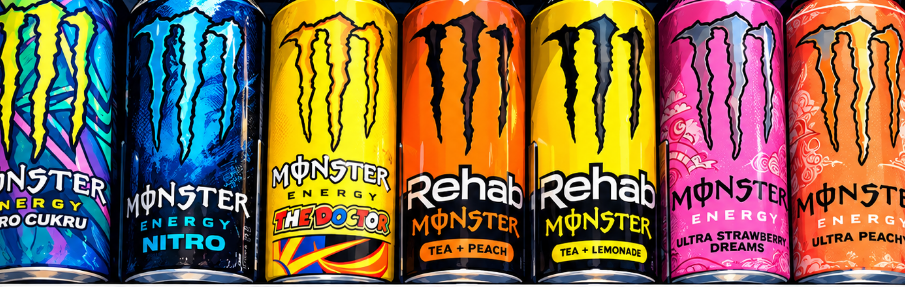
Stimulant Exposure and Substance Use in Youth Esports: A Growing Concern
As youth esports gain traction, they are not only becoming a thriving community; they also pose new public health challenges. From school clubs to online multiplayer systems, mass participation in these competitive video-gaming environments exposes adolescents to substances like energy drinks. In these settings, the lines between recreational enjoyment and performance enhancement blur, posing new questions about the normalization of stimulant use among young players.
The Hidden Impact of Energy Drinks in Esports
Energy drinks have become a staple of esports culture, often marketed alongside gameplay and promoted by influencers. A study found that energy-drink brands accounted for over a third of all food-and-beverage sponsorships at major esports events. This visibility raises concerns about the normalization of stimulant-assisted performance among young gamers.
These beverages, laden with caffeine and sugar, offer more than just a caffeine boost. They are imbued with cultural symbols of alertness and performance—a narrative that is enticing to adolescents striving for gaming prowess. However, their consumption can lead to several adverse effects, including disrupted sleep and potential for long-term substance-use vulnerability.
The Consequences of Stimulant Use
Parents and educators are rightfully concerned about the broader implications of energy drink consumption. Multiple studies have established links between early exposure to these caffeinated beverages and subsequent involvement with alcohol, tobacco, and other substances. Although causation has not been definitively established, the pattern is troubling.
One potential pathway begins with using them to manage gaming-related fatigue or maintain concentration. Over time, this behavior might extend into greater receptivity to other stimulants, representing a broader risk for substance misuse. This is analogous to nonmedical prescription-stimulant use among adolescents, where performance motives intersect with broader substance-use behaviors.
A Call for Preventative Measures
The current situation warrants a proactive approach to youth esports participants’ exposure to such stimulants. Prevention efforts can be initiated across various sectors, from commercial marketing and sponsorship to family guidance and policy regulations.
What This Means in Practice
For schools and community programs, the exclusion of energy drinks as performance aids is imperative. Making water the default beverage and avoiding late-night competition can also reduce the appeal of these stimulants. Meanwhile, stronger advertising controls on social-media platforms and clear promotional disclosures can limit commercial exposure to minors.
For health practitioners, identifying performance-motivated beverage consumption should be part of routine adolescent screening. This includes understanding the timing and motives behind energy drink use as part of a broader assessment of an adolescent’s behavioral health.
Limitations and Path Forward
Despite these insights, studies have largely been observational, limiting the ability to establish causality. Moreover, current research often does not specifically focus on the nuanced environments of youth esports. Future longitudinal research is vital to unravel the complex interplay between gaming environments, stimulant use, and broader substance involvement.
Engaging effectively in this emerging recreational landscape requires recognizing how digital environments shape youth health behaviors. By addressing these concerns early, public health initiatives can not only mitigate potential harms but also guide this evolving cultural phenomenon towards a healthier trajectory for youth participants.
Build Your Public Health Issue
Tell us a little about your work, and we’ll build a personalized issue with five things worth knowing.