After the Water Recedes: Why Flooding Becomes a Public Health Emergency
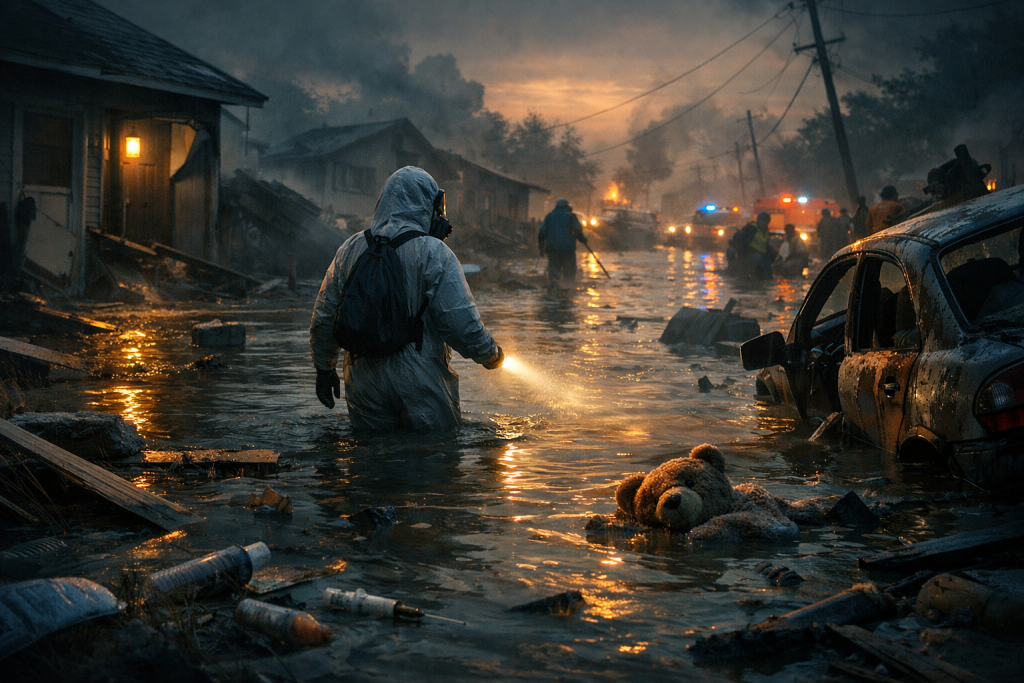
When a flood hits, the first images are usually dramatic: streets turned into rivers, homes underwater, rescues by boat. But some of the most important health dangers begin after the water starts to drain away.
Flooding is not just a weather or infrastructure problem. It is a public health emergency that can trigger injury, infectious disease, respiratory illness, mental health strain, and long disruptions to care. For health systems and communities, the real challenge often stretches from the first hours of a disaster into the weeks and months that follow.
Floods harm health in the first minutes, not just the aftermath
The most immediate flood risks are direct and physical. Floodwaters can cause drowning, trauma, electrocution, carbon monoxide poisoning from improper generator use, and fires linked to damaged buildings and power systems. These are not secondary concerns. They are part of the core health burden of floods.
This matters because flood planning is sometimes framed mainly as evacuation and shelter logistics. In practice, it is also injury prevention, emergency medical response, and risk communication under chaotic conditions.
Why illness often rises after a flood
Once floodwater enters homes, streets, clinics, and water systems, it can disrupt many of the barriers that normally protect health. Drinking water can become contaminated. Toilets and sewage systems may fail. People may be displaced into crowded settings. Routine hygiene becomes harder. Access to medications and medical visits may be interrupted.
That combination helps explain why studies have found increases in illness after flood exposure, especially gastrointestinal disease, diarrhea, dysentery, malaria, and respiratory disease. A 2024 systematic review and meta-analysis also found higher risks of all-cause mortality and multiple illness outcomes after floods.
In other words, floods do not create a single health problem. They create conditions that allow several kinds of health threats to build at once.
Contaminated water is only part of the story
Waterborne disease is one of the best-known flood concerns, and for good reason. Flooding can carry sewage, animal waste, and other contaminants into homes and water supplies. When people cannot safely drink, wash, or prepare food, infections can spread more easily.
But the health picture is broader than contaminated water alone. Flooding can also change where mosquitoes breed, how waste accumulates, and how people are exposed to environmental pathogens. A recent systematic review found that flood-related infection patterns vary widely by place and by pathogen. Local sanitation systems, background disease levels, and the strength of emergency response all shape what happens next.
For public health professionals, that means a flood should not trigger a one-size-fits-all disease response. Surveillance and control efforts need to match the local risk profile.
The hidden respiratory threat inside damaged buildings
Long after standing water disappears, damp buildings can keep affecting health. Flood-damaged homes often trap moisture in walls, floors, and furniture, creating ideal conditions for mold growth. That can worsen respiratory symptoms and aggravate asthma, especially in children, older adults, and people with preexisting lung disease.
This is one reason flood recovery is also a housing and environmental health issue. A family may be back inside their home, but that does not mean the home is safe. Dampness, poor ventilation, and delayed repairs can extend health risks well beyond the disaster period.
Mental health effects can last far longer than the storm
Floods disrupt more than buildings and utilities. They can upend routines, displace families, interrupt schooling and work, and create lasting financial strain. The emotional impact can be severe, especially when people lose homes, possessions, or a sense of safety.
Public health agencies and reviews have described psychosocial effects after flooding alongside physical illness. For many communities, recovery is not simply about rebuilding roads or restoring electricity. It is also about supporting mental health during a prolonged period of instability and loss.
Flood risk is not shared equally
One of the clearest findings across public health and climate research is that flood harms are unevenly distributed. People with fewer resources often face higher exposure and fewer options for protection and recovery. Unsafe housing, poor drainage, weak sanitation systems, and limited access to healthcare can all amplify the damage.
That means the same flood depth can produce very different health outcomes in different neighborhoods. A community with strong infrastructure, rapid cleanup, and reliable care will not experience the event in the same way as a community with fragile housing and limited services.
The IPCC has emphasized that climate-related flood vulnerability is shaped not just by weather, but by social conditions. In public health terms, floods clearly show how the environment and inequality interact.
What flood response looks like when health is the priority
A strong flood response goes beyond rescue operations. It includes safe water, sanitation, injury prevention, continuity of care, respiratory protection in damaged buildings, and mental health support. It also requires attention to people who are most likely to be missed: those with chronic illness, disability, low income, unstable housing, or limited access to transportation and healthcare.
For decision-makers, the key lesson is simple: the health emergency does not end when the rain stops. The recovery phase is still part of the public health response.
Flooding is a disaster, but also a health systems test
Floods reveal how connected public health really is. Emergency medicine, infectious disease control, housing, sanitation, environmental health, and mental health all meet in the same event. That is why flooding deserves to be treated as more than an extreme weather story.
After the water recedes, communities face a second challenge that is less visible but just as important: preventing avoidable illness, protecting the most vulnerable, and rebuilding conditions that support health. The flood may be over. The public health work is not.
Build Your Public Health Issue
Tell us a little about your work, and we’ll build a personalized issue with five things worth knowing.