Integrating Indigenous Knowledge in Planetary Health: A Decolonial Approach
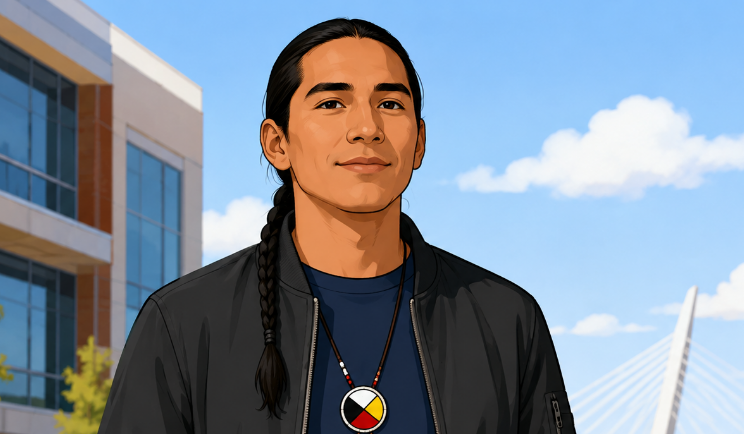
Picture a meeting room bustling with public health leaders and Indigenous community members. The air buzzes with urgency as they discuss climate change — a pressing issue that intertwines deeply with the knowledge systems maintained by Indigenous Peoples for millennia. This scene represents an essential step toward decolonizing planetary health, a goal underscored by a recent systematic review in The Lancet Planetary Health journal.
The Planetary Health Challenge
In the face of escalating climate change, pollution, and biodiversity loss, the emerging discipline of planetary health seeks to address the interconnected health of the planet and its inhabitants. This discipline draws heavily from Indigenous knowledge systems, which have long emphasized the interconnectedness of all life. Despite their extensive contributions, a full integration of these systems within academic and research settings remains limited.
Research Inquiry
The systematic review examined articles published in The Lancet Planetary Health from its inception to October 2025 to understand how well Indigenous knowledge systems are being integrated into planetary health science. Out of 1172 articles reviewed, 1137 contained no Indigenous research perspectives. The findings highlighted a modest increase in articles engaging with Indigenous knowledge, yet these were mostly commentaries, not substantive original research.
Systematic Review Findings
The systematic review revealed a few categories of articles: those with no inclusion of Indigenous perspectives, those with superficial inclusion, limited inclusion, and meaningful inclusion. Astonishingly, only 19 of these represented attempts to integrate Indigenous knowledge systems meaningfully into planetary health discussions.
For instance, the articles that did engage meaningfully often highlighted Indigenous epistemologies, methodologies, or perspectives on the interconnectedness of ecological and human health. However, these were largely commentaries rather than research-led papers, indicating a hesitance or lack of funding for more intensive research collaborations.
Why It Matters
Indigenous Peoples manage over 20% of the earth’s surface and protect approximately 80% of the world’s biodiversity. Their knowledge and methods for managing ecosystems sustainably are critical to addressing the triple planetary crisis of climate change, pollution, and biodiversity loss. This review calls for a decolonial transformation in planetary health science — urging the field to recognize and utilize Indigenous knowledge systems in practice, not just in theory.
What This Means in Practice
This review suggests transformative steps for public health leaders:
- Engage Indigenous communities as equal research partners, ensuring that Indigenous knowledge holders lead or co-lead initiatives.
- Support structural changes in research funding that prioritize Indigenous-led methodologies and projects.
- Reconsider the framing of research questions to ensure that they reflect Indigenous values and perspectives.
- Encourage publication policies that advocate for the inclusion of positionality and collaboration with Indigenous Peoples.
Barriers to Implementation
The Hard Part: Turning Evidence Into Action
Advancing the integration of Indigenous methodologies faces significant barriers. These include entrenched Western-centric research paradigms, limited funding for Indigenous-led research, and systemic power imbalances that marginalize non-Western knowledge systems. Moreover, short article formats, like abstracts and viewpoints, often lack the detail needed to fully reflect Indigenous contributions.
Scientifically, editorial biases and the limited scope for full-text searches might miss nuances of Indigenous engagement. The rigorous examination of authors’ positionality and genuine collaboration with Indigenous communities remain infrequent in the literature.
Conclusion: A Collective Call to Action
Returning to the vibrant meeting room, the discussions taking place represent just one piece of the puzzle. We need not only to include Indigenous voices but to center them in planetary health research and practices. Embracing Indigenous knowledge is not just a matter of justice; it is essential for the future well-being of our planet.
A strategic shift that authenticates Indigenous leadership in research could spearhead effective planetary health solutions. While we have far to go, these efforts can catalyze the radical civilizational transformation called for within the broader planetary health discourse.
Discussion Questions
- How would this finding move your agency to redefine its research priorities?
- What might be the local challenges and opportunities in implementing Indigenous-led initiatives?
- Which changes in policy or funding structures would support sustained Indigenous participation in planetary health?