Smartwatch Use, Gender, and Health Anxiety: Untangling Complex Interactions
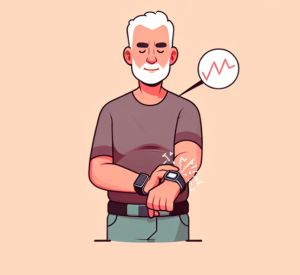
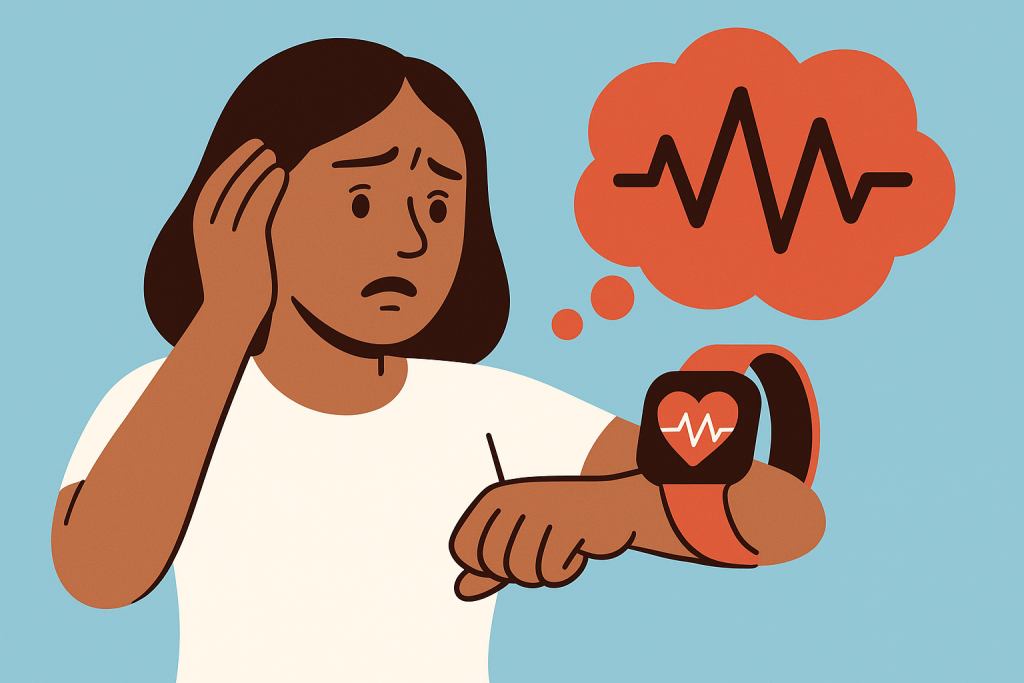
In the bustling corridors of a modern health clinic, a nurse notices a pattern. More and more patients are coming in with concerns not from any clear symptoms, but from the numbers on their wrists. These patients, clutching their sleek smartwatches, exhibit symptoms of health anxiety: a phenomenon that, while not new, is exacerbated by the very technology designed to monitor their well-being.
This scene is emblematic of a broader trend explored in a recent study published in BMC Public Health. The study delves into how gender, health conditions, and smartwatch use intersect to influence health anxiety.
Understanding the Public Health Problem
Health anxiety, previously known as hypochondria, is a debilitating cycle of worry and health checks that can overwhelm individuals. The COVID-19 pandemic further intensified these anxieties, as health fears became more prevalent across all demographics. To add to this complexity, wearable health technologies, particularly smartwatches, promise real-time health monitoring. However, this seemingly empowering prospect may inadvertently fuel anxiety, leading to increased healthcare utilization and personal stress.
The Study’s Objective
The research sought to understand the interplay between gender, health condition, and smartwatch use regarding health anxiety. By examining a diverse group of 259 participants, the study aimed to highlight how these variables interact, challenging existing assumptions that stand-alone features like gender or the presence of a health condition solely determine the extent of health anxiety.
Methodology at a Glance
Using a cross-sectional design, researchers controlled for age and trait anxiety to isolate the specific effects of smartwatch use, gender, and health conditions on health anxiety. The participants were divided into groups based on their smartwatch use, gender, and whether they had been diagnosed with any health conditions. The goal: to see how these factors tangibly affect health anxiety levels.
Key Findings: A Complex Interplay
The findings reveal a nuanced landscape. For men with existing health conditions, smartwatch use correlates with increased health anxiety levels. Contrastingly, women with health conditions appear less anxious when using smartwatches. This pattern flips for individuals without health conditions, with each gender experiencing the opposite effect.
Smartwatches can both alleviate and exacerbate health anxiety, contingent on the intersection of gender and health status. It calls into question the universality of current health technology practices and points towards the need for personalized approaches in technological interventions.
Why This Matters
The findings underscore a critical need for public health professionals to consider individual variability when recommending wearable health technologies. The intersectional nature of the study highlights the manifold ways in which smartwatch data can reinforce existing health anxieties—particularly if not accompanied by educational support for interpreting health data.
What This Means in Practice
Public health leaders and practitioners can take several key steps in response to these findings:
- Design personalized educational materials to guide users in accurately interpreting smartwatch data and to avoid overreliance.
- Consider gender-specific strategies when recommending wearable health technologies, with a focus on supporting those with diagnosed health conditions.
- Partner with tech developers to create features that consider psychological impacts, not just technological capabilities.
The Hard Part: Turning Evidence Into Action
Despite its insights, implementing change is fraught with challenges:
- Funding Limitations: Prioritizing personalized education within constrained budgets can be difficult.
- Workforce Capacity: Adequate training for public health professionals on the nuanced impacts of wearable technology is essential.
- Community Trust: Building trust in tech solutions requires clear communication and evidence of benefit.
Limitations of the study include its cross-sectional design, which makes it challenging to definitively establish causal relationships. Furthermore, the diversity of smartwatch devices used by the participants may have influenced results, as variations in device functionality could yield different user experiences.
End Note
The landscape of health anxieties is evolving, reflecting deeper systemic issues that require thoughtful intervention. This study invites us to reexamine how we integrate technology into our health systems. As our communities wrestle with the potential benefits and pitfalls of wearable technologies, public health leaders must steer these innovations towards truly inclusive and tailored solutions.
As we move forward, we might ask ourselves: How might public health campaigns alter their approach to account for the psychological impacts of wearable health tech? Who will ensure that guidelines for wearable tech use are informed by diverse experiences and needs?