
Insect-Fortified Snacks for Madagascar Kids: A Recipe for Better Health
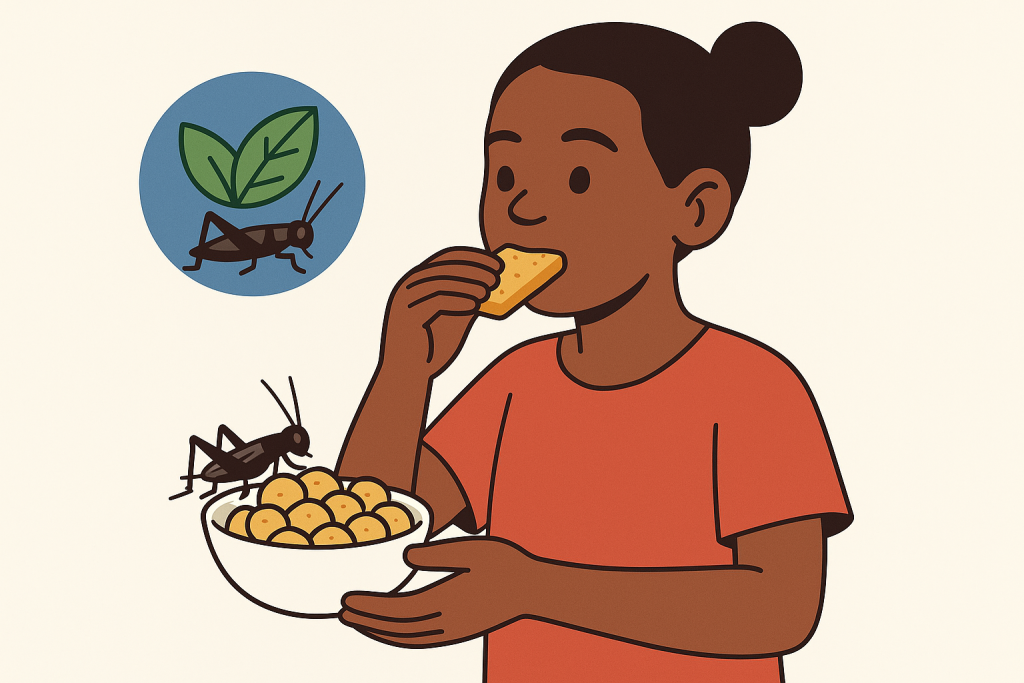
In the sun-drenched schoolyards of Madagascar, children line up eagerly as teachers offer them a novel snack: crackers fortified with crickets and black soldier fly larvae. In this corner of the world, where malnutrition and food insecurity are high, the introduction of this unusual yet nutritious treat holds promise for addressing critical dietary gaps.
Yes, bugs.
The Public Health Challenge
Madagascar is a land of contrasts, with verdant landscapes and a vibrant culture, yet it faces significant nutritional challenges. Protein and iron deficiencies are common, particularly among children who rely heavily on plant-based diets. With population growth and environmental pressures straining traditional food systems, public health professionals are seeking innovative, sustainable solutions to combat malnutrition.
What the Study Asked
In this context, a team of researchers set out to determine whether insect-fortified snacks could serve as a viable alternative source of nutrition for schoolchildren in Madagascar. The focus was not only on nutrition but also on the safety and acceptability of these foods among children and their caregivers.
Methods and Approach
The researchers developed three types of insect-fortified crackers containing local cricket species and black soldier fly larvae, along with a non-fortified control cracker. These snacks were tested for microbiological safety and heavy metal contaminants to ensure they were safe for consumption. The nutritional content was analyzed, revealing that the crackers provided significant amounts of protein, iron, and zinc.
The study involved 187 children aged 9 to 13 across three schools in Madagascar, who were observed over a week to assess their consumption patterns and preferences. Feedback from caregivers was also collected to gauge community acceptance.
Key Findings
The results were promising: a majority of the children (over 78%) consumed more than 80% of their portions, with preferences leaning toward savory flavors. The crackers were not only willingly consumed but also preferred over non-fortified alternatives in over 89% of cases.
The study underscores the potential of insect-fortified foods to provide essential nutrients like protein and iron in communities where conventional animal products are scarce or unaffordable. Caregivers reported anecdotal improvements in children’s satiety and energy levels, a critical factor in regions struggling with dietary adequacy.
Interpreting the Impact
This study provides a blueprint for integrating entomophagy (insect consumption) into school-based nutrition programs to combat malnutrition more sustainably and affordably. By focusing on locally sourced insects and addressing cultural palatability preferences, this approach could offer significant health benefits without exacerbating environmental degradation.
What This Means in Practice
- For Local Health Departments: Collaborate with educational institutions to integrate insect-based nutritional snacks into school feeding programs, ensuring adequate support and training for implementation.
- For Funders and Policymakers: Consider investing in research and development of scalable insect-based food products, leveraging local resources to minimize costs.
- For Community-Based Organizations: Engage in education campaigns to increase awareness and acceptance of insects as a nutritious food source, especially among children and caregivers.
The Hard Part: Turning Evidence Into Action
Several challenges remain, including scaling production while maintaining safety standards, addressing lingering cultural hesitations, and ensuring a steady supply chain. There are also scientific limitations regarding long-term acceptability and the potential allergenic effects in certain populations.
Furthermore, the need for a supportive policy environment cannot be overstated. Programs must be designed to ensure equitable access and address potential barriers such as local infrastructure and funding constraints.
Conclusion
Back in the schoolyard, as the children choose their preferred crackers, the research offers a beacon of hope. By embracing innovative, environmentally friendly nutritional solutions like insect-fortified snacks, Madagascar—and indeed much of the world—may take significant strides toward improving child health and nutritional equity. As we ponder the future of food security, these ideas invite us to reimagine the boundaries of traditional diets and pave the way for resilient, inclusive food systems.
Discussion Questions
- How would incorporating insect-based products alter your organization’s current approach to addressing malnutrition?
- What cultural and logistical barriers might hinder the adoption of these foods in other regions?
- What role should public policy play in supporting innovative food solutions like insect-fortified crackers?