Navigating NCDs and Inequality
As the sun sets over a bustling community clinic in Nairobi, a public health worker locks up yet another round of vaccinations. Her battle is no longer only against traditional communicable diseases but also against emerging non-communicable diseases (NCDs), all amidst grappling with entrenched health inequities. This scenario is becoming increasingly common across the globe, as highlighted by a recent study evaluating global health trajectories and inequalities.
The Shifting Landscape of Global Health
Since the dawn of the 21st century, we have seen unprecedented advances in global health. From improving life expectancy to tackling communicable diseases, the narrative has been one of success—until the COVID-19 pandemic disrupted years of progress. But as we shift focus, new guidelines are pointing towards a critical healthcare transition.
At the heart of this study were two key metrics: Healthy Life Expectancy (HALE) and the Universal Health Coverage (UHC) Service Coverage Index (SCI). Both have shown marked improvements over the years, yet disparities remain stark, particularly among low- and middle-income countries (LMICs), and the pandemic has undone much of this progress. It is becoming increasingly clear that the path forward necessitates addressing not just disease but systemic inequality.
Understanding the Study: Purpose and Process
The researchers conducted an extensive analysis of HALE changes from 2000 to 2021 in 167 countries, using demographic and econometric methodologies. They assessed various health determinants, including income, education, and health service indices, and projected scenarios through 2030.
Crucially, while increases in HALE were prominently driven by reductions in communicable diseases, the study found diminishing returns. The global rise in HALE slowed dramatically during the pandemic, with significant regional losses—a vivid reminder of the critical need for robust and equitable health systems.
Key Insights and Implications
The study underscores a dramatic shift from infectious diseases to the challenges posed by NCDs, with implications for policymaking and resource allocation.
The research reveals that the control of communicable diseases accounted for 65.1% of global health progress prior to COVID-19, yet the pandemic caused a substantial dip in HALE, aggravating existing inequities.
Crucially, the disparity within countries has widened. Wealthier countries are reaping benefits faster, while lower-income countries face stark challenges, particularly where health services are not matched by financial protections.
Why It Matters
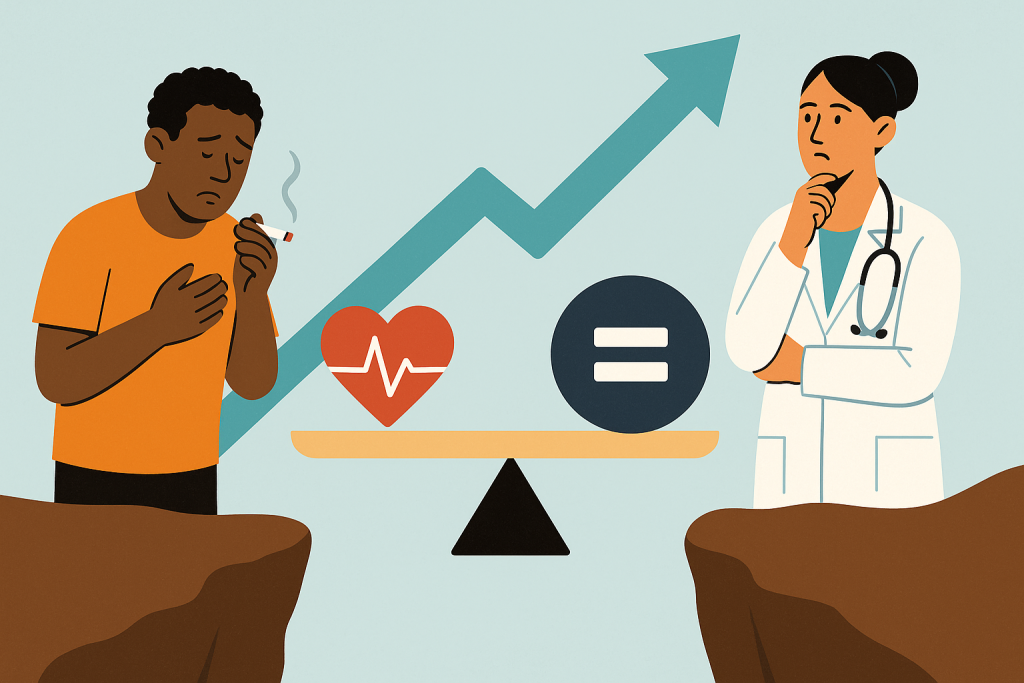
In the face of these findings, global health strategies must pivot. Emphasizing the integration of NCD management into primary care and focusing on equitable health funding are pivotal steps. The data indicates that equitable health financing, rather than mere economic growth, will likely bridge the existing gaps.
What This Means in Practice
- Readdressing Funding Models: Public health budgets must prioritize mandatory prepayment systems to reduce out-of-pocket costs and protect disadvantaged populations financially.
- Emphasizing Education: Investments in female education continue to show robust associations with positive health outcomes across all demographics, emphasizing the role of cross-sectoral strategies.
- Scaling NCD Management: Integrating NCD services with existing infrastructure, especially in resource-limited settings, will require significant health system adaptations.
The Hard Part: Turning Evidence Into Action
Implementing these insights poses challenges, including funding constraints and resistance to systemic changes. While the projection models indicate improvements with strategic reforms, real-world application depends heavily on political will and community engagement. Compounding this are scientific limitations such as the inherent biases in observational studies and the model’s elasticity assumptions.
For visual context, imagine a simple pathway graphic showing how investment shifts can affect health outcomes, illustrating the broader systemic shifts required.
Bridging Back to the Community
As we return to the community clinic in Nairobi, the conversation is clear: public health mandates are evolving. Addressing NCDs and systemic inequalities requires moving beyond traditional disease-focused interventions to embrace holistic, equitable health systems reform.
In closing, what conversations should this study prompt among public health practitioners and policymakers? Consider:
- How might your organization alter its outreach strategy based on these findings?
- Who remains underserved despite these findings, and why?
- What absolute changes in policy or funding would make equitable health possible?