
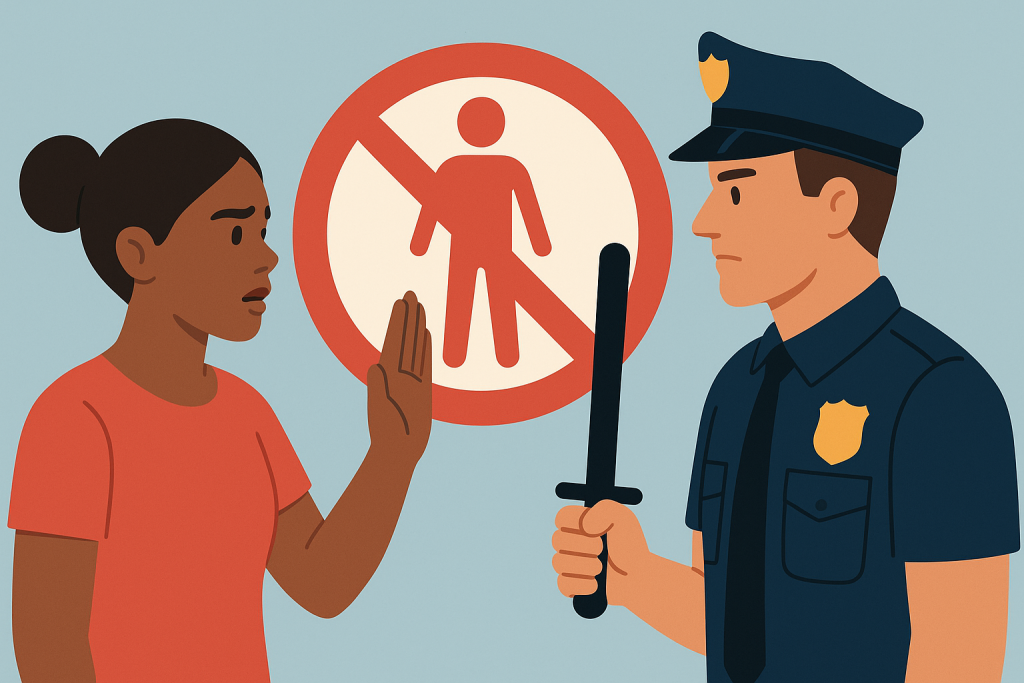
Policing as a Public Health Issue
In a buzzing community center in New York, local health workers gather to discuss the rising health concerns linked to policing in their neighborhoods. The air is thick with stories of encounters, each underscoring the toll policing takes on mental and physical health, particularly for Black communities and LGBTQ+ groups. These discussions highlight a pressing issue in public health that few have explored thoroughly: policing as a structural determinant of health.
The Public Health Problem
Ineffective policing in the United States is becoming recognized as a critical public health problem. This recognition is fueled by the disproportionate impact on communities of color, immigrants, and sexual minorities. Police-related trauma, unjust policies, and historical abuses converge to perpetuate health inequalities among these groups. Despite this, the typical focus remains on individual behaviors rather than addressing the structural roots of the issue.
What the Study Asked
A scoping review of public health literature aims to quantify and qualify the role of structural interventions in addressing policing as a public health issue. How can broader social, economic, and political frameworks inform interventions that mitigate these harms?
What the Researchers Did
Led by Nolan Kline and colleagues, the team conducted a comprehensive PubMed search screening for English-language articles published between 2019 and 2024. They honed in on 35 articles discussing structural interventions and policing, utilizing thematic analysis to uncover existing knowledge and opportunities for future research.
Key Findings
The thematic analysis highlighted three main avenues for structural interventions: focusing on disproportionately affected communities, integrating theoretical perspectives that emphasize structural forces, and employing mixed methods or qualitative research approaches. It also called for multilayered interventions rather than singularly focused efforts.
Why This Matters
Traditional approaches scarcely address policing through a structural lens, limiting meaningful reform. By integrating health equity and confronting structural inequalities, these findings offer a pathway toward more effective public health strategies.
What This Means in Practice
- Local health departments can partner with community organizations to develop interventions focusing on power dynamics and broader sociopolitical contexts.
- Funders should prioritize grants that encourage community-driven research and action.
- Policymakers must consider multilayered interventions that integrate community input to address policing impacts.
The Hard(est) Part: Turning Evidence Into Action
Bridging the gap between evidence and action is laden with challenges, including limited funding, political resistance, and entrenched systems that perpetuate inequalities. The scientific community also faces challenges in aligning public health strategies with real-world scenarios demanding immediate attention.
Returning to the community center, health workers leave with a renewed focus. They now realize that the next steps require broadening the frame of reference to include structural elements. By addressing these issues at the root, policymakers and public health professionals can work together toward equitable reform.
Conversation-Starting Questions
- How can your organization utilize this study’s findings to influence current health outreach efforts?
- What new partnerships could you pursue to tackle policing as a structural determinant of health?
- What barriers must be addressed to implement these structural interventions effectively?