HIV Prevention Gaps in the American Deep South
Picture this: A community health worker in rural Mississippi drives miles across dusty roads to reach scattered homes, armed only with brochures on HIV prevention and a limited supply of testing kits. It’s an all-too-common scene illustrating the stark challenges in combating HIV in the Deep South. Here, the mismatch between the burden of HIV and available prevention resources has created a public health conundrum that needs urgent attention.
The HIV Prevention Challenge
The Deep South of the United States, encompassing states like Alabama, Georgia, and Mississippi, has long carried a heavy burden of HIV diagnoses compared to other regions. Despite national efforts such as the Ending the HIV Epidemic initiative, gaps in prevention and care persist, particularly in counties where structural barriers like poverty and insufficient healthcare infrastructure are common.
Researching the Gap
A recent study tackled this issue head-on by introducing a novel Prevention Gap Index (PGI) to evaluate disparities between HIV burden and prevention resources at the county level across the Deep South. This index offers a fresh perspective on where efforts might be falling short and where targeted intervention could be most beneficial.
The Study in Focus
Focusing on counties across nine Deep South states, researchers constructed the PGI using public data. They analyzed HIV prevalence against three primary prevention and care indicators: pre-exposure prophylaxis (PrEP) utilization, viral suppression rates, and the density of HIV testing sites. These indicators serve as proxies for local prevention and care performance.
Data from 877 counties revealed significant geographic variability in PGI scores, highlighting regions where HIV burden far exceeded local prevention efforts. Notably, counties with a high percentage of non-Hispanic Black residents and those with lower income levels tended to have higher PGI scores, pointing to entrenched structural barriers.
The Study’s Impact
This research does more than just map out current challenges. By pinpointing areas where prevention and care are out of sync with HIV burden, the PGI helps public health officials prioritize regions that would most benefit from additional resources. It signals where a concerted policy and funding shift could make a substantial difference.
Implications for Practice
What This Means in Practice
- Health departments might need to reassess and reallocate resources to high-PIG counties to ensure that communities facing the greatest needs receive appropriate support.
- Community-based organizations could advocate for more localized prevention programs that account for the unique socioeconomic contexts of these counties.
- Funders might focus on supporting integrated service models that combine HIV prevention with broader healthcare services to maximize reach and efficiency.
The Hard Part: Turning Evidence Into Action
Implementing change based on these findings will not be straightforward. Challenges include limited funding, workforce constraints, and potential resistance from local stakeholders. However, understanding these hindrances is the first step toward overcoming them. Public health agencies should also address misconceptions and foster trust within communities historically underserved by healthcare systems.
While the PGI offers a critical spotlight on gaps in prevention, it does not encompass all aspects of service capacity. Local data on prevention needs, testing volumes, and the availability of PrEP prescribers remain essential for informed decision-making.
Suggested Visual
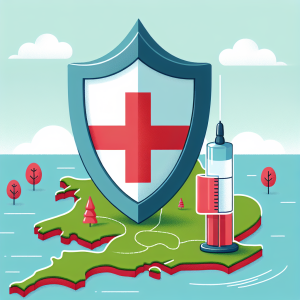
Suggested visual: A map visualizing the distribution of PGI scores across the Deep South, highlighting counties with the highest mismatch between HIV burden and prevention resources.
Looking Forward
With tools like the PGI, we have a clearer roadmap of where to focus public health efforts. Revisiting our opening scene, perhaps that community health worker could, one day soon, be equipped not only with better resources but also with policies designed to tackle the systemic root causes that perpetuate health disparities.
Conversation-Starting Questions
- How would this finding change the way your agency designs outreach?
- Who might still be missed if this recommendation were implemented locally?
- What would need to change in funding, staffing, or policy to make this practical?