
War’s Health Crisis in Gaza
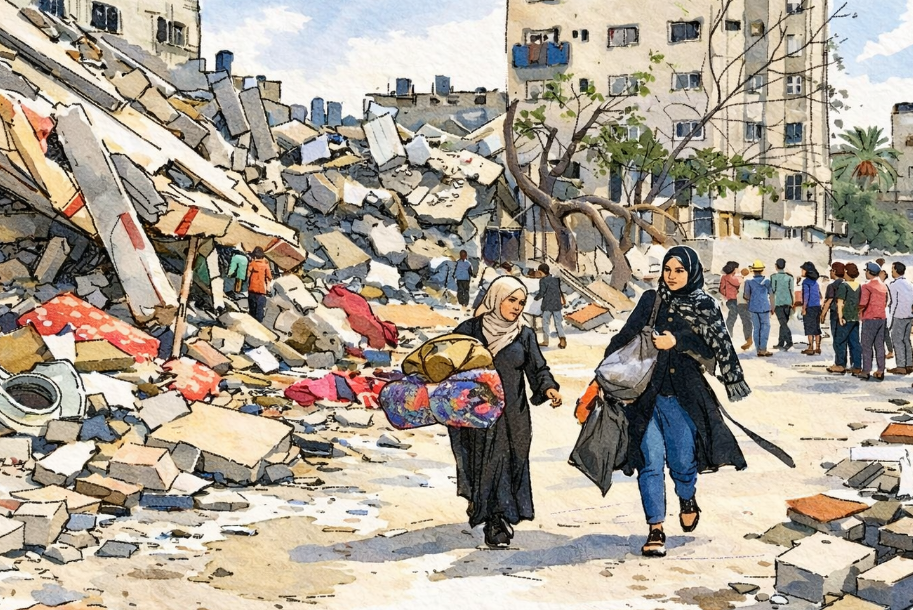
On a bustling morning in Gaza, amidst the din of ambulances and crumbling infrastructure, a healthcare worker stood helpless outside a half-demolished hospital. The scene was one of despair.
Broken equipment, long patient queues, and children missing lifesaving vaccines.
This is daily life in the Gaza Strip, where the consequences of war extend far beyond the battlefield.
Unseen Impacts of Conflict in Palestine
Military conflict often evokes images of bombs and casualties, but the public health crisis brewing in Gaza is often overshadowed. The conflict has systematically eroded healthcare infrastructure, leading to a widespread health emergency. From disrupted immunizations to reproductive health challenges, the unseen burdens weigh heavily on the civilian population.
Problem: The Fragile Healthcare System
Since the escalation of conflict on October 7, 2023, Gaza’s healthcare system has been teetering on the brink of collapse. According to the World Health Organization, 34 out of 36 hospitals have been damaged, leaving only a few barely operational facilities overburdened with patients
Evidence: The Underreported Morbidities
The war’s impact on public health is staggering. Immunization rates have plummeted, placing thousands of children at risk of vaccine-preventable diseases like polio and measles. The first polio case in 25 years was reported recently, highlighting the dire situation
Women face menstrual insecurity due to a lack of sanitary supplies, whereas reproductive health crises have led to rising rates of congenital anomalies and miscarriages. The situation is compounded by toxic environmental exposures from ongoing military actions. Stressed, malnourished pregnant women are unable to access prenatal care or essential nutrition.
What This Means in Practice
- Local health departments need to prioritize mobile immunization clinics where health centers are inaccessible.
- NGOs should focus on distributing menstrual hygiene kits and providing safe sanitation facilities.
- Community-based programs can offer psychosocial support to address mental health issues associated with chronic stress and trauma.
Implications and Solutions
Addressing these multifaceted health issues requires a coordinated global effort focused on rights-based and equity-driven approaches. Expansion of maternal health interventions, including nutrition programs and prenatal care, should be prioritized.
What’s Next & Barriers
Future Pathways: Policymakers and humanitarian organizations should work collectively to stabilize the healthcare system and improve access to essential health services.
Barriers & Constraints: Logistical limitations, political deadlocks, and insufficient funding block the path to effective intervention. Building community trust is crucial for sustainable health solutions.
Open Questions for Further Research: How can the international community better support crippled health systems in conflict zones? How might environmental pollutants attributable to military activity affect reproductive health long-term in Gaza?
Conclusion
As conflicts endure, the narratives of public health beyond immediate trauma demand our attention. Elevated global awareness of Gaza’s health crisis is essential for evidence-based policy interventions. By prioritizing health equity and protective frameworks, we can pave the way for comprehensive, sustainable health responses for all civilians.
Call to Action
How might your agency adapt this finding locally? Consider the applicability of supporting policies in conflict-ridden areas and the resource constraints at play. Does this challenge your assumptions about conflict and health?