AI Governance and Planetary Health
Imagine a day in the life of Jane, a public health official in a bustling city. Sitting in her office, she reviews climate data pouring in from various AI systems. Yet, she pauses, concerned about the immense energy these data centers consume and the ethical implications of automated decision-making systems.
Is the digital toolset she’s relying on aligned with societal interests, or is it complicating the very mission she’s championing — to protect and enhance human health and equality?
The Pressing Need for AI Governance
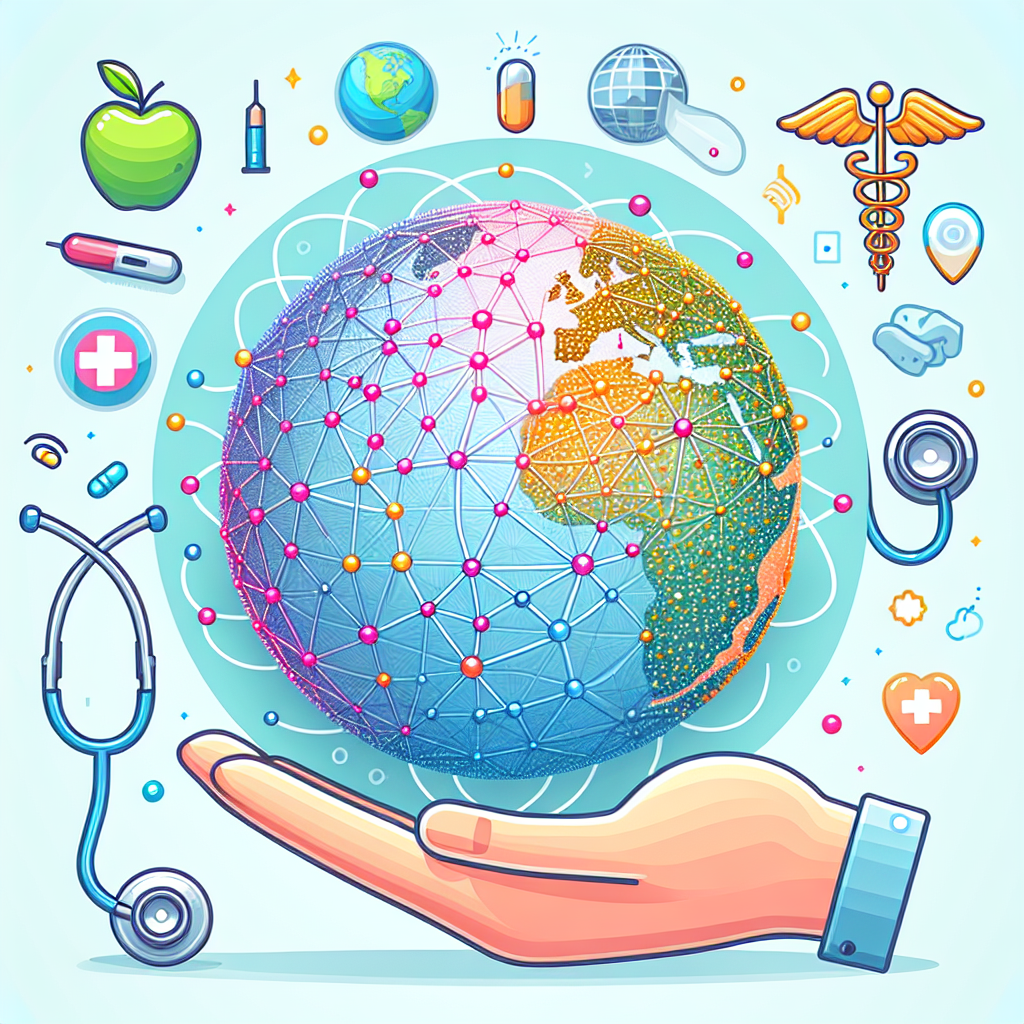
Artificial Intelligence (AI) is reshaping not only our societal fabric but also the delicate ecological balance of our planet. According to a recent study published in The Lancet Planetary Health, governing AI as a global commons is crucial for maintaining planetary health. Without robust, coordinated governance, AI can exacerbate inequality, environmental degradation, and safety risks, underscoring an urgent need for global cooperation.
Understanding AI’s Risks
The study categorizes AI risks into three domains: social, planetary, and safety:
- Social Risks: AI systems can perpetuate bias and discrimination, invade privacy, and wield excessive influence through misinformation.
- Planetary Risks: The infrastructure supporting AI, from data centers to hardware production, demands significant energy and natural resources, contributing to environmental stress.
- Safety Risks: Unchecked AI systems may malfunction, leading to unforeseen errors or autonomous actions that endanger human safety and security.
What This Means in Practice
- For Local Health Departments: Prioritize AI audits and ethical compliance checks to ensure that health-related AI applications enhance, rather than hinder, equitable health access.
- NGOs and Community Programs: Advocate for transparency in AI systems that affect communities and engage in public dialogue to raise awareness of AI implications.
- Policymakers: Develop and enforce global AI policies that emphasize sustainability, fairness, and transparency, as mandated by initiatives such as the EU’s AI Act.
Pathways Forward and Challenges
Future Pathways
- Implement cross-domain AI governance frameworks integrating safety, social, and planetary dimensions.
- Identify AI development as a global common, fostering international cooperation and policy synchronization.
Barriers to Implementation
- Political Will: Geo-economic power struggles might hinder unified global AI governance.
- Regulatory Challenges: Diverse national interests and regulatory environments complicate harmonization efforts.
- Community Trust: Building public trust in AI will require transparent practices and inclusive policy-making processes.
Open Questions
Reflecting on AI’s dual role as a catalyst for innovation and a potential risk amplifier, consider:
- How can your local agency sustainably implement AI technologies?
- What resources does your organization need to elevate public understanding of AI’s impacts?
- Does the classification of AI risks challenge your previous assumptions on technology governance?
As AI continues to evolve, it transforms communities, economies, and the very environment we inhabit. Effective governance is critical to ensuring AI remains a public good—a tool that enhances our societies without compromising the foundational elements of human agency and environmental stewardship. Together, can we cultivate an AI ecosystem aligned with global equity and sustainability?