Fake News and Media Literacy: A Vital Tool for Public Health Awareness
In today’s digital world, information travels faster than ever before. With just a few clicks, people can access news, research, and opinions from around the globe. While this accessibility has many benefits, it has also created a serious challenge: the rapid spread of misinformation. This is where fake news and media literacy become essential, especially in the field of public health.
From misleading health tips on social media to inaccurate medical claims circulating online, false information can directly impact people’s lives. In this blog Without proper media literacy skills, individuals may struggle to separate credible sources from unreliable ones. As a result, building awareness about fake news and strengthening media literacy has become a priority for public health professionals, educators, and communities alike.
Understanding Fake News and Media Literacy in Public Health
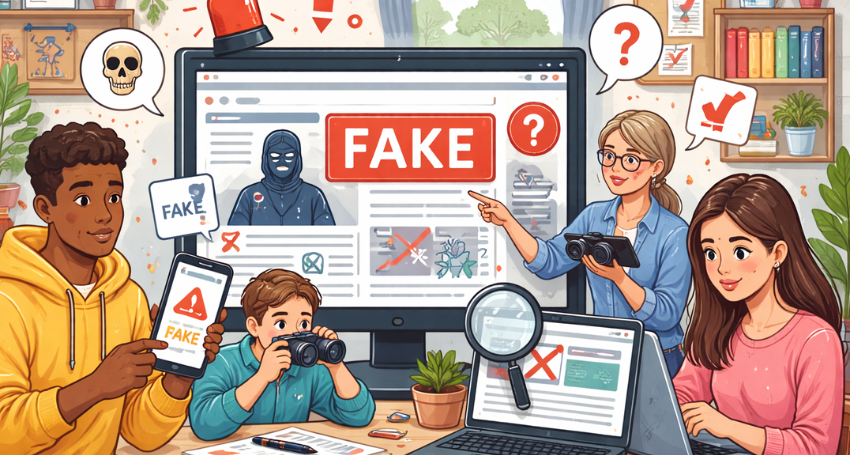
Fake news refers to false, misleading, or exaggerated information that is presented as factual content. In public health, fake news often includes unverified treatments, conspiracy theories, or distorted scientific findings.
On the other hand, media literacy is the ability to access, analyze, evaluate, and interpret information critically. When people develop strong media literacy skills, they become more capable of questioning sources, checking facts, and making informed decisions.
Why Fake News and Media Literacy Matter in Health Communication
In health-related contexts, misinformation can lead to serious consequences. People may delay medical treatment, reject proven vaccines, or adopt harmful practices based on false claims. Therefore, fake news and media literacy play a vital role in promoting accurate health communication and protecting public safety.
Moreover, when individuals understand how the media works, they become less vulnerable to manipulation and sensationalism. This awareness helps create a more informed and responsible society.
The Impact of Health Misinformation on Communities
Health misinformation does not affect individuals alone; it influences entire communities. When false information spreads widely, it can undermine public trust in healthcare systems and professionals.
For example, during global health crises, rumors and misleading reports often circulate faster than verified updates. As a result, fear and confusion increase, making it more difficult for authorities to implement effective health measures.
How Misinformation Affects Decision-Making
When people rely on inaccurate sources, their health-related decisions may be based on incomplete or false data. This can lead to:
- Poor lifestyle choices
- Resistance to medical advice
- Increased anxiety and stress
- Reduced participation in public health programs
Therefore, strengthening fake news and media literacy is essential for encouraging responsible and informed decision-making.
Building Strong Media Literacy Skills for Better Health Awareness
Developing media literacy is not a one-time effort. Instead, it is an ongoing process that requires practice, education, and awareness.
Key Skills for Identifying Reliable Health Information
To improve media literacy, individuals should focus on the following skills:
1. Evaluating Sources
Always check who is providing the information. Reliable health content usually comes from recognized institutions, medical professionals, or reputable organizations.
2. Verifying Facts
Before sharing or believing a claim, verify it through multiple trustworthy sources. Fact-checking platforms and official health websites are useful tools.
3. Understanding Bias
Some content may reflect personal opinions or commercial interests. Being aware of potential bias helps readers interpret information more objectively.
4. Analyzing Headlines and Images
Sensational headlines and manipulated images are often used to attract attention. Reading beyond the headline is crucial for understanding the full context.
By practicing these skills, people can better navigate the complex digital information environment.
The Role of Education and Institutions in Promoting Media Literacy
Educational institutions, healthcare organizations, and public health agencies play a significant role in promoting fake news and media literacy.
Schools and universities can introduce digital literacy programs that teach students how to evaluate online information. Similarly, healthcare providers can educate patients about trusted medical resources.
Community-Based Awareness Programs
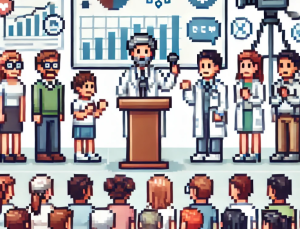
Community workshops, online seminars, and public campaigns also contribute to improving media literacy. These initiatives help reach diverse populations and encourage open discussions about misinformation.
Additionally, partnerships between media outlets and public health organizations can improve the quality of health reporting. When journalists follow ethical standards and verify sources, they help reduce the spread of fake news.
How Digital Platforms Influence Health Information
Social media platforms and online forums have become primary sources of health information for many people. While these platforms allow quick communication, they also enable misinformation to spread rapidly.
Algorithms often promote content that receives high engagement, regardless of accuracy. As a result, misleading posts may gain visibility before fact-checkers can intervene.
Encouraging Responsible Online Behavior
Users can contribute to a healthier information environment by:
- Avoiding sharing unverified content
- Reporting misleading posts
- Following credible health organizations
- Engaging in respectful discussions
Through responsible online behavior, individuals support the broader effort to promote accurate public health communication.
Taking Action: Strengthening Fake News and Media Literacy Together
Improving fake news and media literacy requires collective effort. Governments, educators, healthcare professionals, and citizens must work together to create a culture of critical thinking and responsible information sharing.
By encouraging curiosity, skepticism, and continuous learning, societies can reduce the harmful effects of misinformation. Furthermore, investing in digital literacy programs ensures that future generations are better prepared to navigate complex media environments.
Conclusion
In a world where misinformation spreads quickly, staying informed is more important than ever. Developing strong media literacy skills empowers you to protect your health, support your community, and make confident decisions based on reliable evidence.
At This Week in Public Health, we are committed to sharing accurate, research-based insights that help readers understand today’s most important health issues. We encourage you to explore our resources, stay engaged with credible information, and become an active participant in promoting responsible health communication. Together, we can build a more informed and healthier society. Contact us