

Insights from Precision Oncology to Youth Vaping Cessation
As health challenges grow increasingly complex, public health systems must evolve with evidence-based strategies that prioritize equity, interdisciplinary collaboration, and responsiveness to lived experiences. Recent research across diverse topics—from precision oncology nursing competencies to social media support for youth vaping cessation—offers compelling insights on how policies and programs can optimize health outcomes in equitable and sustainable ways. This week, we explore six studies that highlight critical nuances in healthcare delivery, social determinants, and interventions shaping public health today.
First, if you need money, and we all do, check out our “Is applying for this grant worth it?” calculator
On to the science
Precision Oncology Nursing: Building Competencies for a Genomic Era
The accelerating integration of genomics into cancer care demands equally sophisticated nursing roles to navigate complex precision oncology pathways. A scoping review maps nurse competencies and education nationwide, revealing five core nursing roles: genomic risk assessment, genomic communication for shared decisions, care coordination, interprofessional collaboration, and advanced governance roles. Importantly, 65 educational programs predominantly cover foundational genomics knowledge but fall short in preparing nurses for advanced, autonomous roles that require interpretive expertise and leadership. For public health systems, this gap signals an urgent need to transform nursing education curricula to not just keep pace with precision medicine innovations but to do so equitably—ensuring nurses are fully prepared to support diverse populations through person-centered genomic care. A proposed three-level model—precision-informed, enhanced, and specialist nursing—could guide curriculum stratification and safe scope expansion, ultimately enhancing care quality and accessibility in precision oncology pathways. This alignment between education and real-world roles is foundational to workforce competency and integrated cancer care delivery.
Hospital-Physician Integration and Healthcare Spending: Complex Effects on Chronic Care
Hospital-physician vertical integration continues to reshape healthcare delivery, but its effect on spending remains multifaceted. An analysis of Virginia all-payer claims data from 2016-2021 found no overall spending increase immediately post-integration. Yet, when excluding 2021 (a pandemic-onset cohort with atypically lower spending), early integrations correlated with significantly higher inpatient and total utilization-driven spending, particularly for primary care patients with multiple chronic conditions. These findings suggest that timing and context—such as the COVID-19 pandemic—critically influence integration outcomes. Policymakers face essential questions about balancing integration’s potential benefits in care coordination against risks of cost escalation driven by inpatient utilization. Equitable chronic disease management calls for vigilance to avoid unintended spending surges that disproportionately burden vulnerable populations with multiple comorbidities. –
Engaging Families in Pediatric Care Management: Lessons from North Carolina’s Integrated Care Model
Family engagement remains a cornerstone of effective pediatric care management, particularly for Medicaid-insured children facing complex health and social challenges. A qualitative study of the North Carolina Integrated Care for Kids (NC InCK) program underscores that clear, tailored communication and relationship-building are key enrollment and retention facilitators. Conversely, obstacles such as caregiver distrust based on past negative social service experiences, competing demands, and misaligned expectations hinder sustained engagement. From a health equity lens, addressing these barriers requires care managers with strong interpersonal and cultural competence skills who can adapt to evolving family needs. Flexible scheduling and communication modalities allow programs to meet caregivers ‘where they are,’ fostering trust and retention. As pediatric population health strategies scale up nationally, these insights highlight the imperative for care models that are flexible, family-centered, and mindful of social determinants in Medicaid populations.
Housing Insecurity Among Gender Minorities: A Formidable Public Health Challenge in Canada
Housing insecurity—an established social determinant of health—disproportionately affects transgender and gender-diverse individuals, according to the first population-based study using Canadian census data. Compared to cisgender men-led households (8% core housing need), risk nearly doubles or triples among transgender women (21%), nonbinary individuals assigned male or female at birth (~20%), and transgender men (16.5%). Disparities are amplified among youth, renters, and multi-person households. This stark inequity calls for urgent policy reforms that embed gender identity explicitly in housing protections, expand affordable/supportive housing tailored for gender-diverse populations, and enforce antidiscrimination laws consistently. Addressing housing stability is not peripheral—it is foundational for equitable health outcomes and mitigating intersecting vulnerabilities related to identity, socioeconomic status, and access to care.
Youth Nicotine Vaping Cessation: Efficacy of Social Media Support Groups
As e-cigarettes remain the most common tobacco product among adolescents and young adults, supportive cessation programs are critical. A randomized controlled trial tested Instagram direct-message support groups against referral to quitline resources. Among 500 participants aged 13-21, social media support groups doubled the odds of 7-day vaping abstinence over six months compared to controls (18.2% vs 11.8% ITT analysis). This finding is noteworthy for public health practitioners designing youth interventions: leveraging platforms where youth already connect can deliver motivational interviewing, peer support, and quit skills in accessible ways. Importantly, intervention acceptability across racial, ethnic, and sexual minority groups underscores the potential to reduce disparities in tobacco-related harms. Retention challenges remain, however, highlighting the need for multi-pronged, sustained engagement strategies in digital cessation. –
Why These Findings Matter for Public Health Practice and Policy
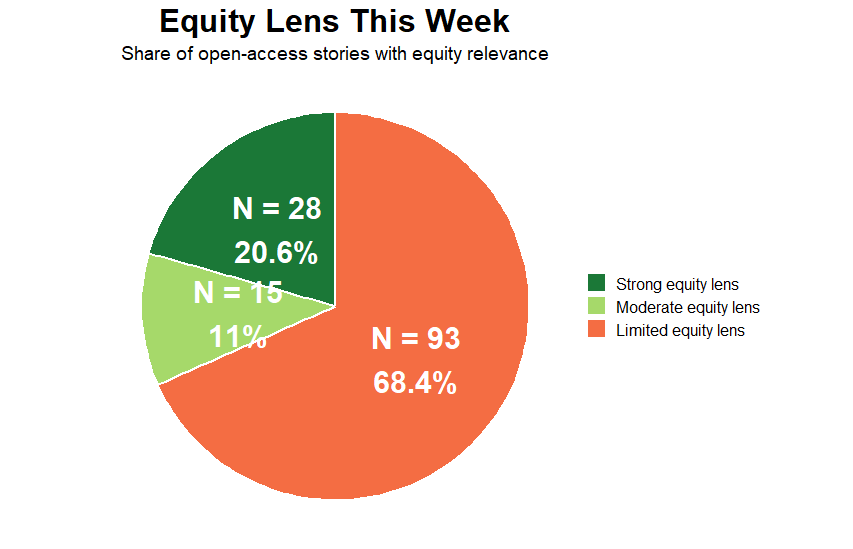
Recent studies provide insights into health systems transformation and the factors that affect health outcomes. Key recommendations include investing in precision nursing education to prepare a skilled workforce for diverse cancer populations, monitoring the impacts of vertical integration in chronic disease management to avoid rising costs, and designing pediatric care models that promote flexible family engagement for Medicaid-insured children. Additionally, addressing housing inequities for gender minorities through inclusive policies is essential, as is innovating youth tobacco cessation programs by leveraging social media to engage adolescents effectively. These studies underline the importance of equity and contextual responsiveness in tackling ongoing health disparities.