

Cutting Through the Clutter: Innovation, Medicare, and the Stakes for Public Health
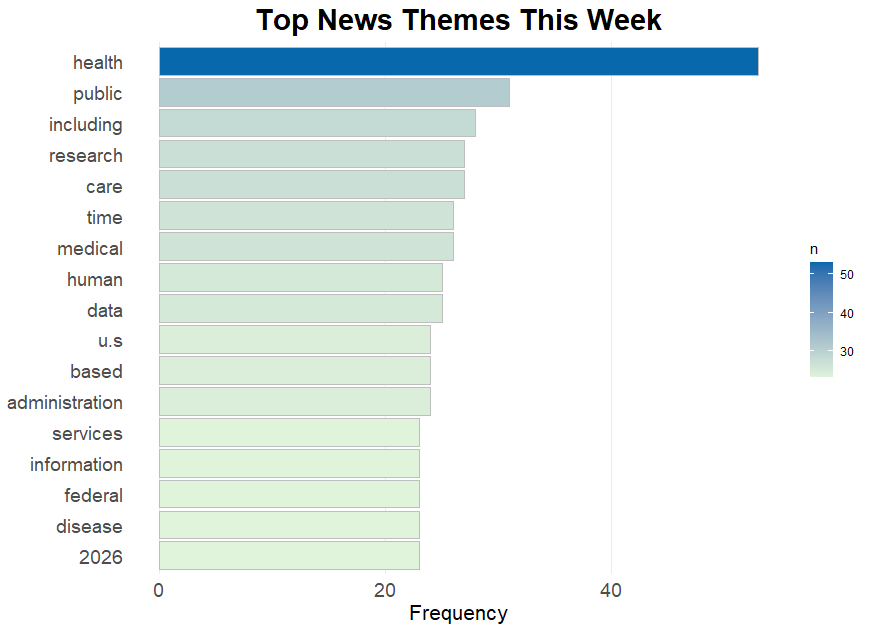
This week’s public health headlines pull back the curtain on the tangled dance between innovation, policy, and the real-world impact on patients and caregivers. From a freshly proposed Medicare policy shakeup to the behind-the-scenes hurdles slowing cutting-edge diagnostics, and even practical help for seniors navigating medical equipment reuse, the news pulses with the tension between breakthrough science and the systems meant to deliver it. Here’s the pulse on the week.
When Innovation Faces an Innovation Roadblock
The Centers for Medicare & Medicaid Services (CMS) has proposed a major policy reversal that could slow the pipeline for breakthrough medical technologies. Originally designed to fast-track payments for novel inpatient and outpatient devices under the Trump administration, these alternative pathways—the New Technology Add-On Payment (NTAP) and outpatient device pass-through—allowed breakthrough devices, antibiotics, and drugs with special FDA designations to bypass the usual stringent criteria for clinical improvement. Now, CMS plans to repeal these more accessible routes starting fiscal year 2028, although currently approved technologies will remain grandfathered. This move matters deeply. By tightening the criteria, CMS risks curbing Medicare’s ability to quickly adopt innovations that can save lives or drastically improve care. Healthcare insiders like Manatt’s Ross Margulies and former CMS stalwart Tamara Syrek Jensen have long emphasized that reimbursement is not just “FDA, but slower,” but a complex ecosystem phenomenon involving coding, payment models, and inter-agency collaboration. Jensen’s candid admission that parallel review—the hoped-for coordinated FDA-CMS approval process—is “extraordinarily difficult” due to capacity mismatches, and that distrust hampers progress, cuts to the bone of systemic inertia. In the push for precision medicine, diagnostics are feeling the crunch as well.
A sharply pointed analysis published in Science depicts diagnostics as the overlooked sibling of breakthrough drugs. While targeted therapies sprint ahead, diagnostics—essential tools that tell doctors who will benefit from these therapies—are underfunded, underpaid, and undervalued. For example, though new anti-amyloid drugs for Alzheimer’s may cost $30,000 yearly, blood-based diagnostic tests that could identify suitable patients struggle for reimbursement. This imbalance signals a fractured system that rewards drugs but punishes the information that makes drug use smart, equitable, and effective.
Medicare Advantage 2027: Growth, Transparency, and Tug-of-War
Closer to home, CMS finalized its Medicare Advantage (MA) and Part D final rule for 2027, signaling both regulatory continuity and contentious reform. Despite a tempered 2.48% increase in MA payments projected for 2027—down from last year’s 5.06% hike—over $13 billion in new payments will flow into private plans. These changes continue the deregulatory momentum seeded under the Trump-era policies. Notably, the rule codifies the Inflation Reduction Act’s reshaping of Part D drug benefits, shifting from coverage gaps to manufacturer discounts and promising more predictable out-of-pocket costs.
Yet CMS tightened rules around how diagnoses influence risk adjustment—excluding those from audio-only visits or unlinked chart reviews unless exceptions apply—aiming to better align payments with documented care. The rules also clarify supplemental benefits under the Special Supplemental Benefits for the Chronically Ill (SSBCI) program and reaffirm a federal prohibition on covering cannabis products illegal under state or federal law in MA plans. Interestingly, CMS rejected a proposed limit on marketing the dollar value of supplemental benefits, preserving insurers’ ability to communicate monetary value to enrollees—a nod to transparency and market competitiveness. These policy shifts, while complex, underscore the ongoing tug-of-war between CMS’s goals of cost control, equitable access, and the vested interests of insurers. As always, what look like incremental rule changes ripple through the lives of millions of seniors who make critical health decisions.
On the Ground: Pennsylvania’s Patchwork of Medical Equipment Aid
For seniors and caregivers confronting daily health challenges, policy debates can feel abstract. Yet, even here, the system’s complexity shows. In Pennsylvania, there is no single statewide medical equipment loan closet. Instead, a network of regional programs like TechOWL and local agencies provides reused walkers, wheelchairs, and assistive devices to those in need. These programs act as vital lifelines, especially for rural residents who face limited mobility and transport barriers, though many reuse programs don’t offer delivery and require appointments or pickups.
Importantly, these community resources complement—but do not replace—Medicare or Medicaid coverage, which generally covers medically necessary equipment through supplier routes requiring doctor orders and coverage approval. This patchwork of support highlights the equity challenge: access to health-preserving equipment often depends on geography, local resources, and savvy navigation of interlocking systems—a reality that underscores the need for integrated, patient-centered designs.
Innovation is racing ahead, with AI-powered research scouting fresh pathways and the Artemis missions rekindling our scientific daring. Yet, the public health system’s ability to harness these advances for the people who need them—especially in diagnostics, Medicare coverage, and community support—remains a knotty puzzle. CMS’s latest moves reveal both promise and peril in the Medicare landscape: big money flowing, but with new strings and barriers. Pennsylvania’s experience reminds us that system design can either connect care or complicate it. If you want the latest, evidence-based slices of health policy, science, and caregiving realities—with a focus on equity and systems—subscribe to *This Week in Public Health*. We cut through spin to deliver the clarity and context public health deserves. Stay with us as the story unfolds.