Digital Health Literacy’s Impact on Older Adults’ Privacy
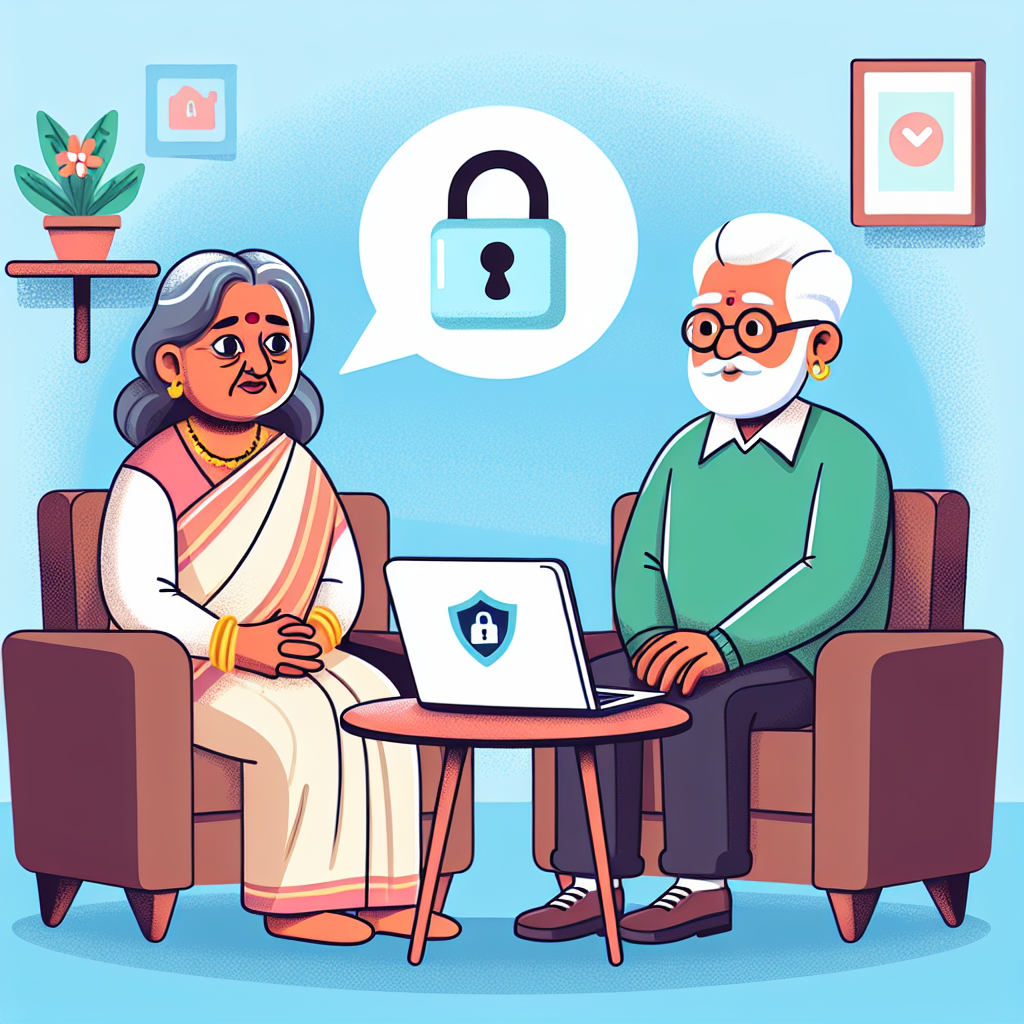
Imagine Mrs. Chen, a 70-year-old grandmother proficient with her smartphone, yet troubled by relentless online threats to her health data. Despite being digitally savvy, she is apprehensive about sharing health information online due to privacy concerns—an issue many older adults are grappling with today.
Addressing a Growing Concern
The growing dependence on digital health technologies has expanded older adults’ access to health information. However, if not managed correctly, the risks of information leakage and online fraud can overshadow these benefits. A recent study published in Frontiers in Public Health explores how digital health literacy, internet privacy concerns, and family support can collectively influence the health information protection behaviors among older adults.
Key Insights from the Study
This peer-reviewed research involved older adults who regularly accessed digital health information. Utilizing scales measuring digital health literacy, privacy concerns, and family support, researchers assessed how these factors interplay to affect behavior regarding health information protection.
- Older adults with better digital health literacy demonstrated stronger protection behaviors concerning their health information.
- Internet privacy concerns exerted a significant mediation effect, strengthening protective actions induced by literacy.
- Family support was found to positively moderate this relationship, effectively enhancing protective behaviors.
What This Means for Practice
For local health departments and NGOs aiming to empower older populations, these insights suggest:
- Training Programs: Develop and implement digital health literacy workshops tailored for older adults to enhance their understanding of online privacy.
- Community Support: Encourage family involvement through community programs that emphasize the family’s role in providing digital guidance and emotional support.
- Develop Toolkits: Create easy-to-use resources that help older adults manage privacy settings and recognize fraudulent scenarios.
Visual Aids and Interactions
Infographics summarizing key findings on the impact of digital literacy and privacy concerns can make these insights more accessible. Practical guides on setting privacy controls could also serve as valuable resources.
Looking Forward: Challenges and Future Research
Scaling such initiatives faces challenges, primarily political and financial constraints, as well as the need to build robust community trust. Further research might focus on longitudinal studies to verify dynamic causal links between variables over time.
Open Questions:
- How can local agencies best support familial facilitation in digital literacy?
- What barriers exist in your community that might hinder the application of these findings?
- Does this research challenge your current perceptions of older adults’ ability to navigate digital spaces?
As Mrs. Chen’s narrative illustrates, while challenges remain, integrating digital health literacy into family support frameworks can foster an environment in which older adults confidently and safely engage with digital health solutions. It’s a collective effort to ensure that their journey through the digital health landscape is both empowering and secure.