The Urgent Need for Enhanced Vaccination Strategies Amid the Current Ebola Outbreak
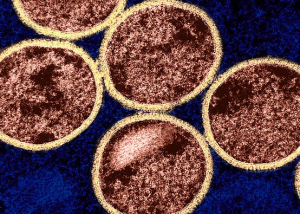
The ongoing Ebola outbreak in the Democratic Republic of the Congo (DRC) has once again opened discussions surrounding public health preparedness and vaccination strategies. Recent reports indicate that the risk of the Ebola Virus Disease (EVD) is now considered ‘very high’ in eastern DRC, prompting immediate action from global health authorities. The implications of this outbreak extend beyond immediate health concerns, affecting social structures and economic stability in the region.
Understanding Ebola: A Historical Context
Ebola has remained a silent killer since its discovery, with previous outbreaks revealing the devastating impact on communities. The 2014-2015 outbreak, which was unprecedented in scale, caused not only high mortality rates but also significant economic turmoil, particularly in Guinea, Liberia, and Sierra Leone. The epidemic resulted in lost GDP, disrupted healthcare access, and heightened food insecurity.
Current Situation in the DRC
As highlighted by the UN, the current Ebola outbreak may be evolving faster than initially estimated, with experts warning of hundreds of suspected cases. The strain responsible for the latest outbreak is particularly virulent, prompting fears of wider regional transmission. The World Health Organization (WHO) has intensified its response efforts, dispatching personnel and resources to mitigate the outbreak.
The Role of Vaccination
Vaccination remains one of the most effective strategies against Ebola. The development of effective vaccines is critical given the virus’s rapid transmission. Recent initiatives, including the development of an mRNA vaccine that could offer protection against multiple Ebola virus strains, signify a promising advancement in public health.
Vaccines in Development
- mRNA Vaccines: These have shown potential to effectively induce immune responses against the Ebola virus, as seen in ongoing research.
- Expanded Access: Strategies to ensure the equitable distribution of vaccines in affected regions are essential for controlling outbreaks effectively.
Lessons from Previous Epidemics
Past epidemics underscore the importance of preparedness and rapid response systems. During the previous outbreak, a significant decline in healthcare service utilization was observed, leading to increased morbidity from non-Ebola-related conditions. A systematic review of the health impacts of EVD indicated challenges public health systems face when surging demands occur.
Public Health Response and Implications
The current EVD situation in DRC elucidates not only the need for a robust healthcare response but highlights the intertwining of health with socio-economic factors. Community resistance, influenced by misinformation and fear, hampers vaccination efforts and thus the control of the outbreak.
“In the face of the current Ebola outbreak, it is crucial for health authorities to prioritize vaccination strategies that are both rapid and community-centered to effectively manage and prevent further spread of the virus.”
Conclusion: A Call to Action
As the DRC confronts this deadly disease anew, it is imperative that the global community continues to invest in public health infrastructure and vaccine research. Only through collaborative efforts can we hope to mitigate the impacts of not just Ebola but any future infectious disease threat that may arise. Without adequate investment in health systems, the cycle of fear, disease, and social disruption will continue unabated.
For more updates and detailed insights on the current Ebola crisis, please visit the BBC Health News and Scientific American.