
Peer Outreach Transforms Veteran Care
In our editorial opinion, US veterans have been treated terribly since 1946. This makes interventions like the below that much more important.
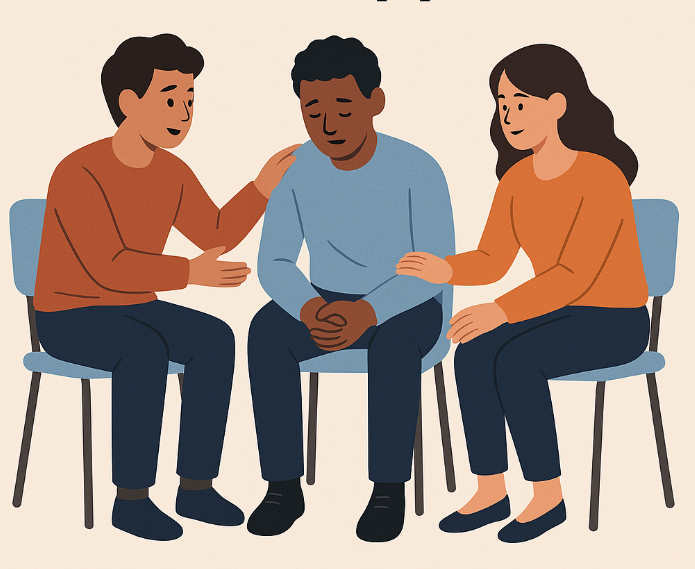
A veteran named John, battling homelessness and struggling with a substance use disorder, walks into a bustling veteran outreach center. He’s greeted by someone who understands his struggles firsthand—a peer specialist who has been in John’s shoes and is now dedicated to guiding him toward a healthier future. This scene is becoming more common across U.S. veteran care centers, thanks to new programs like EMPOWER.
Tackling Veteran Homelessness: A National Crisis
Homelessness is a daunting issue in the United States, and veterans are disproportionately affected. In 2024, 23 out of every 10,000 individuals in the U.S. were homeless, with many being veterans who also suffer from mental health disorders and substance use issues. This demographic often experiences increased use of emergency services, which highlights the urgent need for integrated primary and specialty care.
The EMPOWER Approach: Evidence-Based Interventions
The EMPOWER program, as detailed in their protocol study, offers a hopeful intervention. This initiative combines peer support, patient-centered care, and Whole Health—a holistic health model focused on wellness and personal goals. The program is unique in its approach, addressing complex care needs by leveraging peer specialists—individuals with lived experiences similar to those of the veterans they assist.
The EMPOWER trial seeks to enhance care engagement by using peer specialists to build trust and help veterans navigate their healthcare options.
Scaling the Intensity: Implementation Strategies
To effectively integrate EMPOWER into the Veterans Health Administration (VA), the program is being tested through a hybrid implementation trial. This involves comparing low-intensity strategies, such as Audit and Feedback, with high-intensity strategies known as Implementation Facilitation (shout out to ERIC).
Audit and Feedback provide stakeholders with performance data, motivating improvements. In contrast, Implementation Facilitation is an interactive approach that involves external facilitators who support VA sites through customized implementation strategies.
What This Means in Practice
- Local health departments can explore adopting peer support models to build trust with veteran populations.
- NGOs might consider partnerships with veteran centers to facilitate cross-service care coordination.
- Community-based programs could integrate Whole Health principles to address both physical and mental health needs of veterans.
Breaking Down the Barriers
Implementing such comprehensive interventions is not without challenges. Key barriers include the high costs of multi-component care models and the need for thorough training and supervision of peer specialists to minimize burnout and turnover.
What’s Next & Barriers
The trial aims to determine the economic feasibility of scaling EMPOWER by providing a detailed budget impact analysis that addresses costs at various administrative levels. This will help policymakers and VA centers make informed decisions about adopting the program on a wider scale.
Fostering a Dialogue for Action
As we strive to improve care for homeless veterans, it is crucial to continue exploring how peer support and integrated care models can be effectively embedded within existing infrastructures. Consider these questions:
- How can your organization implement peer support to enhance trust in healthcare?
- What resource challenges might impede the scaling of similar interventions in your area?
- Does this evidence shift your perspective on holistic care models for high-need populations?
By addressing these questions, we’re not only fostering dialogue but also paving the way to practical solutions that can transform the lives of homeless-experienced veterans.