Aging and Ankle Mechanics: Uncovering Hidden Challenges in Gait
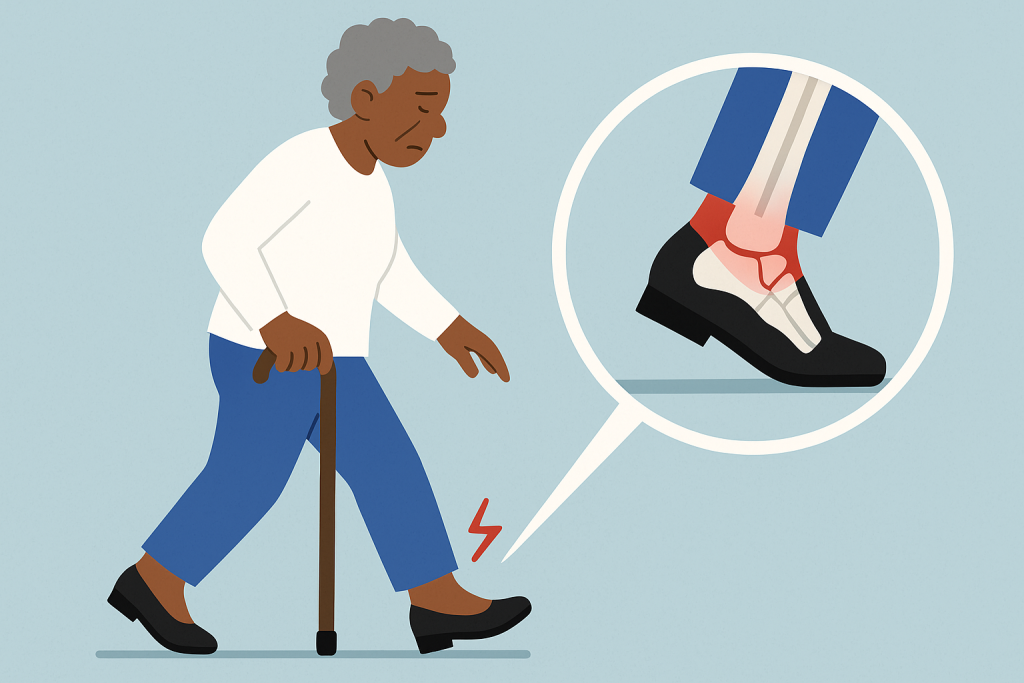
Imagine an older adult navigating the uneven pavements of an urban neighborhood. Each step is deliberate, a cautious dance between stability and propulsion. This everyday scene highlights a subtle yet profound public health challenge: aging changes how we walk, with implications for health and independence.
Understanding the Public Health Problem
The ability to walk efficiently and safely is crucial for maintaining independence and quality of life in our aging population. As public health professionals, we know that gait alterations can result in increased fatigue, slower speeds, and a higher risk of falls—all factors that can ultimately lead to a loss of autonomy.
The recent study, conducted by researchers at Flinders University and the University of Canberra, sought to understand how age affects ankle mechanics and muscle coordination throughout the walking cycle. By unpacking these changes, we can develop interventions that not only restore function but also improve the quality of life for older adults.
What the Study Explored
Researchers analyzed data from 107 able-bodied adults aged 26 to 86, using advanced motion capture and electromyography techniques. This allowed them to examine continuous changes in muscle activity, ankle angles, and ground reaction forces across the gait cycle. Unlike previous studies that categorized participants into broad age groups, this study shed light on the nuanced, phase-specific adaptations that occur gradually with age.
Key Findings: What the Data Revealed
Phase-specific Changes in Muscle Co-contraction
As people age, there is an increase in co-contraction of the tibialis anterior and gastrocnemius muscles during the early and mid-stance phases of walking, with a decrease during the terminal stance. This co-contraction acts as a compensatory strategy, stabilizing the ankle joint when peripheral sensory feedback becomes less reliable.
Alterations in Ankle Mechanics
Older adults tend to have increased dorsiflexion during late stance and pre-swing phases, coupled with reduced plantarflexion moments in mid-stance. These changes imply a shift towards a strategy that favors balance and stability over mechanical efficiency and propulsion, which may contribute to slower walking speeds and increased fatigue.
Reduced Ground Reaction Forces
Both braking and propulsive forces decrease with age, indicating reduced mechanical output even when muscle activity increases. This dissociation suggests reduced efficiency in converting muscle activation into forward propulsion, likely due to age-related changes in muscle-tendon properties.
Why These Findings Matter
Understanding these nuanced changes allows us to rethink how we approach mobility and fall prevention in older adults. This insight calls for interventions that target not just muscle strength, but also coordination, proprioception, and neural strategies. By doing so, we can enhance safety and mobility without compromising efficiency.
What This Means in Practice
- Local Health Departments: Incorporate balance and coordination training into community exercise programs aimed at older adults.
- Community-based Organizations: Develop workshops on footwear and assistive devices to enhance balance and mobility.
- Health Systems and Policymakers: Advocate for funding streams that support research and initiatives focused on age-related mobility interventions.
The Hard Part: Turning Evidence Into Action
While this study provides critical insights, putting these findings into practice is challenging. Barriers include funding limitations for comprehensive geriatric programs, workforce capacity to deliver specialized interventions, and the need to ensure equitable access across diverse demographic groups. Additionally, scientific limitations, such as the inability of secondary analyses to establish causality, need to be addressed. Future studies should explore longitudinal designs and interventions to test effectiveness more rigorously.
Ultimately, these findings emphasize the need for a coordinated approach that combines physical, community, and policy interventions to address the mobility challenges faced by older adults. By targeting the underlying mechanics and strategies that change with age, we can improve health outcomes and reduce the risk of falls.
In the bustling world of public health, acknowledging these intricate details can make the difference between a strategy that merely works in theory and one that genuinely transforms lives.