Why Maternal Death Rates Are Increasing in Conflict Zones
The ongoing struggles in public health extend well beyond traditional challenges, into areas deeply intertwined with geopolitical complexities. Recent reports highlight escalating trends in maternal mortality in regions marked by conflict, underscoring an urgent public health crisis. This blog explores why maternal deaths are alarmingly on the rise in conflict zones, their broader implications, and potential solutions.
Maternality in Turbulent Times
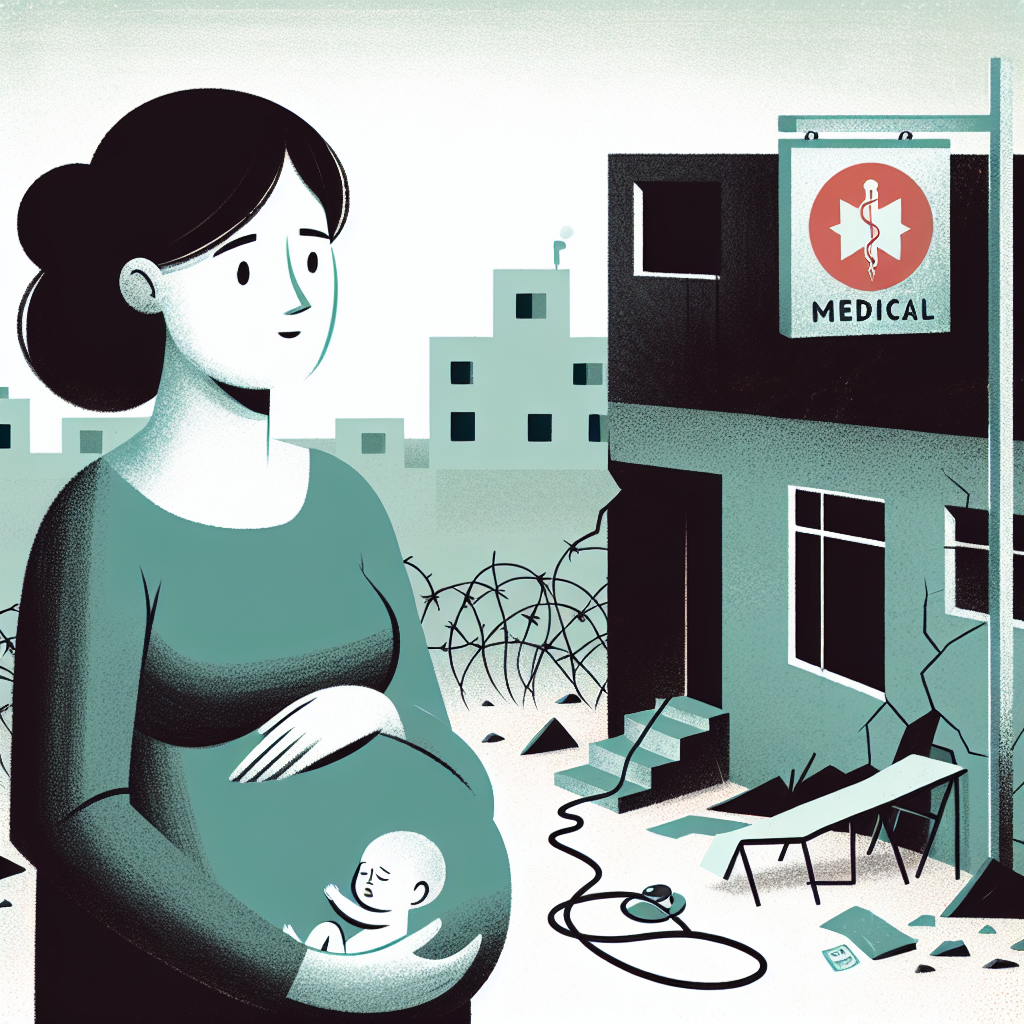
The World Health Organization (WHO) estimates that nearly two-thirds of global maternal deaths occur in countries experiencing conflict or fragility. Despite various international efforts to curb this trend, conditions in these regions remain dire. Resources are overstretched, and infrastructures are often destroyed, reducing access to essential health services for expectant mothers.
Displacement and Medical Infrastructure Collapse
Conflicts frequently lead to massive displacements, as seen with the estimated 280,000 civilians recently uprooted in South Sudan (source: United Nations). These displacements exacerbate the collapse of healthcare structures. Pregnant women find themselves displaced, often without access to prenatal or emergency obstetric care. Over 80% of maternal deaths in these zones could be preventable with adequate medical facilities.
The Role of Gender-Based Violence
Conflict areas are often rife with gender-based violence, which significantly impacts maternal health. Victims of violence are less likely to receive timely healthcare, increasing risks during childbirth. Additionally, the stigma and discrimination surrounding such violence can prevent women from seeking necessary medical intervention.
Beyond Borders: Global Implications
This crisis not only affects war-torn regions but also poses significant threats to global health. Infectious diseases often accompany humanitarian crises, further stretching resources and impacting both local and international public health efforts. For example, the conflict in the Middle East has significantly disrupted healthcare systems in countries like Lebanon and Syria (source: UN Health Agency).
Interventions and Solutions
- International Aid and Support: Multilateral organizations must step up collaborative efforts to rebuild healthcare infrastructures. Emergency funds, such as the WHO’s $1 billion appeal, are crucial for providing immediate assistance (United Nations).
- Field Hospitals and Mobile Clinics: Deploying mobile clinics and temporary healthcare facilities can offer flexible solutions to the mobile dynamics of displaced populations.
- Training Community Health Workers: Empowering local communities with trained health workers can significantly improve maternal health outcomes and reinforce community resilience.
- Addressing Gender-Based Violence: Creating protective environments through policy changes and humanitarian responses is vital to ensure the safety and health access for women.
The Collective Responsibility of Change
As global citizens, we must tackle these issues with a concerted effort. From policy reforms and humanitarian aid to innovative health solutions, the path forward lies in collective action. Recognizing that maternal health crises transcend borders can inspire a global commitment to safeguarding women’s health worldwide.
For further reading: BBC Health, United Nations Report, and The Scientist.