Beyond the Horizon: Public Health’s Bold Leap Toward Equity, Innovation, and Preparedness
This week in public health, the story isn’t just about managing illness but pioneering transformative systems that reshape who has access to care, how care is delivered, and how preparedness is entrenched in our communities. From sweeping federal regulations to innovative payment models and the persistent vigilance against rare yet deadly viruses, a tapestry of deliberate progress and persistent challenges emerges—one knit tightly with the strands of equity and accountability.
Empowering Consumers and States: The 2027 ACA Final Rule
The Department of Health and Human Services (HHS) made a major stride in refining the Affordable Care Act (ACA) marketplace with its 2027 final rule on the Notice of Benefit and Payment Parameters. This complex but crucial regulatory advancement nudges the health insurance landscape toward greater transparency, fairness, and consumer protection. At the heart of this rule is improved oversight on agents, brokers, and web-brokers who enroll millions in ACA coverage. HHS is taking action to stop deceptive marketing tactics that may lure consumers with promises of zero-dollar premiums or rebate practices that erode trust and mislead vulnerable populations. By mandating standardized forms and requiring documented consumer consent, the rule prioritizes informed choice and prevents unexpected tax liabilities stemming from improper enrollments.
Most notably, the rule introduces certification options for non-network plans, creating a more flexible ecosystem that invites competition and price transparency while aiming to lower premiums. This is a bold attempt to empower consumers to shop smartly, particularly in a market often burdened by administrative overhead.
Simultaneously, states regain authority over provider network adequacy, acknowledging their nuanced understanding of local needs and reflecting a systems-focused approach that balances federal oversight with state innovation. Through these provisions, the ACA marketplace is re-tuned to better serve populations who have long faced barriers to affordable, accessible coverage, highlighting a commitment to both systemic integrity and equitable health access.
Innovating Care Delivery: CMS’s ACCESS Model Launch
CMS’s upcoming ACCESS (Advancing Chronic Care with Effective, Scalable Solutions) Model promises nothing less than a revolution in chronic disease management within Original Medicare. Launching July 5, 2026, ACCESS abandons the traditional fee-for-service model’s transactional nature in favor of outcome-aligned payments.
Instead of paying for fragmented actions, Medicare will reward providers for helping patients improve measurable health markers, such as lower blood pressure, better diabetes control, or enhanced functional status. By using technology-supported care and flexible delivery modes such as virtual visits, asynchronous monitoring, and in-person care, ACCESS aims to address outdated payment systems that don’t value holistic, patient-centered solutions. This is particularly groundbreaking for rural and underserved communities, where novel care models can fill gaps left by provider shortages.
Yet, CMS does not stop at innovation alone. Strict safeguards on clinical quality, patient safety, and HIPAA compliance ensure ACCESS is not merely experimental but accountable. The model’s design to report risk-adjusted outcomes publicly reflects a transparency imperative, empowering patients and clinicians to make informed decisions. ACCESS represents the kind of systems thinking urgently needed to confront chronic disease—where equitable access, clinical innovation, and rigorous accountability converge to rewrite the healthcare playbook for millions of Medicare beneficiaries.
Unseen Threats, Unrelenting Vigilance: Hantavirus Awareness
Turning from policy innovation to public health vigilance, the rare but formidable hantavirus reminds us of the constant undercurrent of risk posed by zoonotic diseases. Carried by rodents, hantavirus infections can escalate rapidly to hantavirus pulmonary syndrome (HPS) or hemorrhagic fever with renal syndrome (HFRS), both of which carry significant mortality rates and prolonged recovery. What’s striking is how human interaction with the natural environment, through exposure to rodent droppings or urine, remains the vector, prompting public health systems to double down on preventive education, especially in endemic regions west of the Mississippi and in places with recent scuttle outbreaks, such as the MV Hondius cruise ship incident.
Despite no human-to-human transmission for strains found in the U.S., the severity of HPS and gaps in treatment options (no FDA-approved antiviral or vaccine yet) underscore the need for sustained research investment and community-level awareness, not merely reactive healthcare. Moreover, neurological effects emerging in research hint at the virus’s broader impacts, signaling that our scientific understanding is still unfolding. In a time when pandemics loom large in the public consciousness, hantavirus serves as a sobering reminder that preparedness is continuous and requires vigilant equity in messaging and resource allocation, especially for older adults and marginalized groups disproportionately affected.
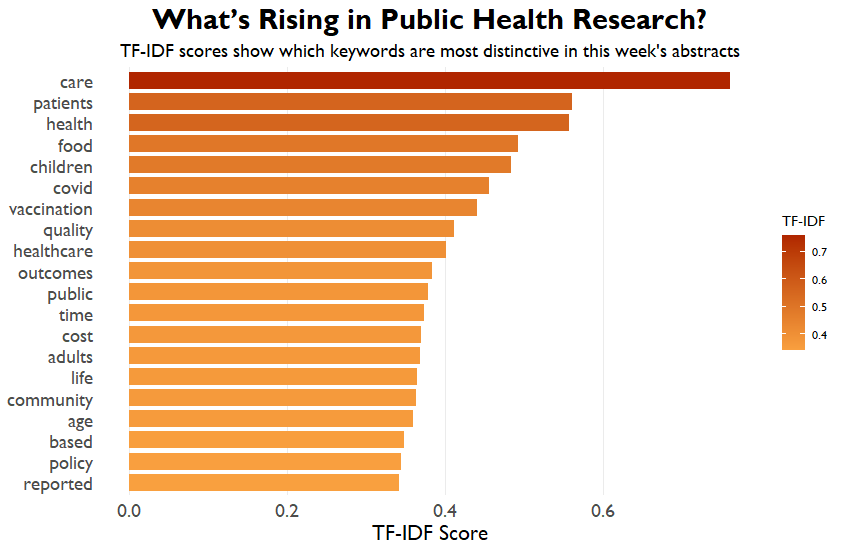
These stories, from the granular but powerful regulations safeguarding insurance users to the broad strokes of care model innovations and the watchful eye on viral threats,reveal public health’s multi-dimensional fight: to make care accessible, adaptable, and safe for all. It is a testament to a field committed to bridging gaps, both ancient and new, that stand between communities and health.
Stay informed on these and other evolving public health narratives by subscribing to ‘This Week in Public Health.’ Join us for evidence-based insights that challenge systems, uplift equity, and spotlight innovation every week. Your health journey deserves nothing less than clarity and truth.