Transformative Impact of Death Education on Future Doctors
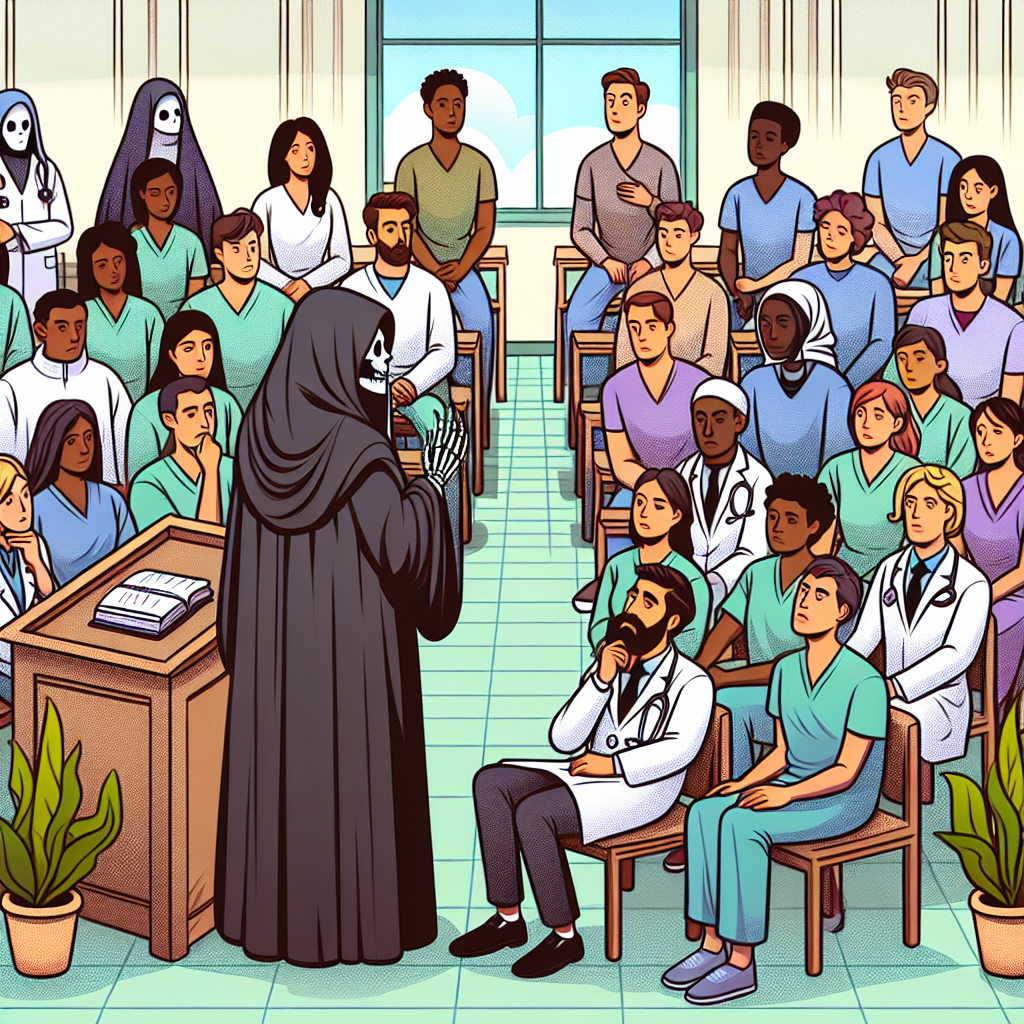
In a dimly lit lecture room at Shanxi Medical University, a group of medical students sits in silence. They’ve just completed a session on death education, a crucial yet often overlooked component of their training. The previous doubts, fear, and anxiety tied to the inevitable reality of death linger like a shadow; however, through carefully structured discussions and immersive experiences, these students are beginning to confront and understand an aspect of their future work that is imperative yet difficult.
Death is a challenging subject, deeply intertwined with cultural taboos and personal fear, but it’s also a critical component for future doctors who will be tasked with caring for their patients through every stage of life.
The Challenge of Tackling Death
Medical students worldwide grapple with anxiety and lack of communication skills surrounding palliative care. In recent years, evidence has shown that most medical students report being unfamiliar with death-related knowledge, leading to unpreparedness for clinical practice involving end-of-life care.
Studies have shown that there is no consensus on the best methods for delivering death education, nor has a standardized framework been established. In China, a nation deeply rooted in Confucian values that emphasize the avoidance of death, students feel this gap intensely.
Gathering Insight Through Evidence
A systematic review and meta-analysis carried out by researchers from Shanxi Medical University aimed to fill this knowledge gap by integrating findings from non-randomized intervention studies. The analysis rigorously followed the PRISMA guidelines, scrutinizing literature from five databases, including 12 studies that analyzed the attitudes of 1,111 medical students.
The meta-analysis results were encouraging: death education interventions can lead to significant improvements in student attitudes toward death. It diminished their fear and avoidance while promoting a neutral acceptance of mortality. The study suggested that long-duration courses, especially those exceeding 16 hours, and blended learning approaches (online and offline components) were most effective at instilling a comprehensive understanding and skills in these students.
Key Findings:
- Fear of Death: Reduced by an SMD of -0.38, indicating a medium effect size.
- Death Avoidance: Reduced by an SMD of -0.40, showing medium impact.
- Neutral Acceptance: Enhanced by an SMD of 0.43, which denotes a medium effect.
An exploratory subgroup analysis also suggested that different models yielded different outcomes across cultural backgrounds, although these results warrant further investigation given their preliminary nature.
What This Means in Practice
- Local Health Departments: Advocate for implementing structured death education modules that include blended learning — a combination of interactive online resources accompanied by in-person practical experience.
- NGOs and Community Programs: Develop flexible educational frameworks tailored to the cultural and educational needs of different regions, ensuring culturally sensitive approaches.
- Medical Students and Educators: Incorporate death education into the main curriculum to help develop emotionally resilient professionals who are better equipped to handle end-of-life care and communicate effectively with patients and their families.
Breaking Barriers and Looking Forward
Educational bodies should consider adopting flexible teaching strategies and comprehensive evaluation systems to track long-term benefits. However, challenges remain, such as integrating death education thoroughly within medical practice and overcoming cultural hesitations regarding discussions of death and dying.
Open Questions:
- How can your organization apply these insights to improve education and preparedness for professionals facing similar challenges?
- What societal factors might limit the effectiveness of implementing a full-scale death education program?
- Do these findings reshape your understanding or approach to how future healthcare workers should be prepared for end-of-life care?
As advancements in death education continue, the hope is that medical education evolves toward a holistic approach that meets the emotional, ethical, and pragmatic needs of future health professionals. With renewed focus and structured curriculum changes, we can better prepare our medical students to embrace all facets of patient care—through life, to its eventual close.
For more detailed information, consult the source: Frontiers in Public Health.