
More Evidence on the Impact of Problem Gambling on Families and Communities
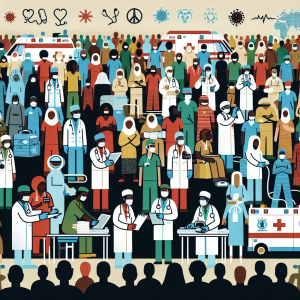
In a bustling community hall in Stockholm, a meeting convenes to discuss a silent yet pervasive issue affecting families across Sweden: problem gambling. As the session progresses, a community outreach worker stands up with a story. She speaks of a mother who can barely make ends meet because her partner’s gambling has drained their finances, leading not only to economic strain but also frequent arguments and a fraught household environment. This is the reality for many affected others—individuals whose lives are disrupted by someone else’s gambling problems.
Build Your Public Health Issue
Tell us a little about your work, and we’ll build a personalized issue with five things worth knowing.
Understanding the Facets of Problem Gambling
Problem gambling does not exist in isolation. Those closest to the person with gambling issues often experience significant fallout themselves, spanning mental health struggles, economic difficulties, and relational conflicts. These ‘affected others’ (AOs) are more common than we might think. Swedish data indicate that about 11% of adults are affected by someone else’s gambling problems each year.
But how do these impacts evolve over time? Are they fleeting reactions, or do they signify deeper, ongoing harm? A recent longitudinal study seeks to unravel these questions by examining the patterns of harm experienced by AOs over three years.
Exploring the Research
In this study, researchers from various Swedish and Norwegian institutions leveraged data from the Swedish Longitudinal Gambling Study (Swelogs). They focused on a cohort of 2,814 participants surveyed in 2018 and again in 2021 to track changes in health, relational, and economic outcomes in AOs.
Key Findings: Persistent Exposure, Persistent Harm
The study categorized participants into four groups: never AOs, former AOs, newly AOs, and persistent AOs. Unsurprisingly, those persistently affected reported the highest rates of adverse outcomes, including severe mental distress, increased alcohol use, frequent arguments, and economic hardship. These outcomes were significantly more prevalent than in individuals who were never affected by gambling.
Even among former AOs, economic hardships remained prominent, pointing to the long-lasting financial scars that gambling problems can leave on a household long after the gambling itself might stop.
Health Equity: Shining a Light on Systemic Issues
This research offers a platform to discuss the broader context of gambling-related harms. It raises questions about the systemic nature of support and prevention strategies. Communities with underinvestment and limited access to mental health resources are likely more vulnerable to the cascading effects of problem gambling.
Public health leaders must recognize that while some affected individuals may access treatment, a significant number remain in the shadows, hindered by stigma or lack of awareness. Efforts must focus on removing these barriers and ensuring that help extends beyond the individual to encompass families and communities.
What This Means in Practice
For public health practitioners and policymakers, these findings underscore the need to develop integrated support systems. Here are some actionable insights:
- Screening processes: Should incorporate questions about gambling within broader mental and economic health assessments.
- Community-based interventions: Must address the stigma surrounding gambling through education and open dialogue, ensuring affected others are aware of support systems.
- Economic support programs: Are crucial to aid those grappling with financial insecurities long after gambling issues subside.
The Hard Part: Turning Evidence Into Action
Despite this evidence, real-world challenges remain. Funding limitations and social stigma present significant barriers to effective interventions. Moreover, the diversity of AOs’ experiences—stemming from varied cultural and socio-economic backgrounds—demands interventions that are tailored rather than generic, responsive rather than static.
While this study robustly showed longitudinal harm among Swedish populations, it had certain constraints. Small sample sizes and the self-reported nature of the data might limit the breadth of some conclusions.
Returning to our community meeting in Stockholm, the discussion closes on a hopeful note. The outreach worker reflects on the power of community-led support networks and policy change. As public health leaders, that’s our goal: to harness such insights and translate them into meaningful action for affected others, offering not just relief but a pathway to resilience and recovery.
Questions for Reflection
- How can your agency tailor outreach efforts to better support affected others?
- What practical steps can be taken to integrate economic support with mental health interventions?
- In what ways can community partnerships expand the capacity to address the multifaceted impacts of gambling-related harm?