Mediterranean Diet Impact on Placental Health During Pregnancy
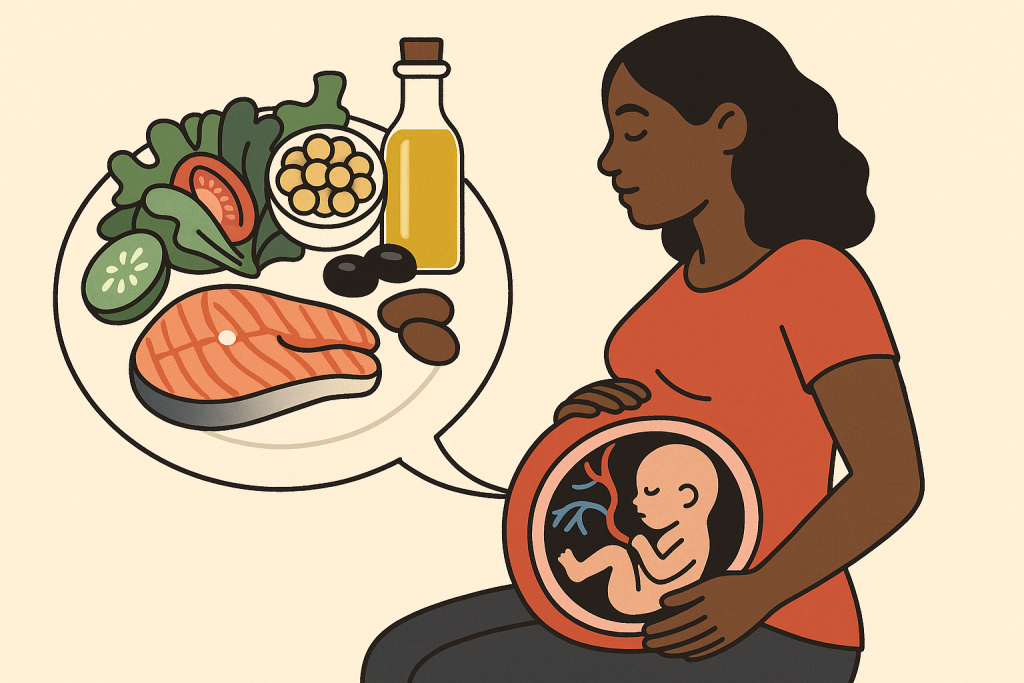
While the Mediterranean diet is often celebrated for reducing heart disease, cancer, and diabetes risks, its potential benefits during pregnancy have only recently started to capture attention. Characterized by high intakes of vegetables, fruits, legumes, nuts, and extra-virgin olive oil, this diet emphasizes anti-inflammatory and antioxidant-rich foods. So, what does this mean for a pregnant woman and her developing fetus?
Emerging research highlights the Mediterranean diet’s promise in reducing pregnancy-related complications like gestational diabetes and preeclampsia. However, the exact mechanisms through which it supports healthy pregnancies, especially at the placental level, remain less understood.
The Study: Decoding Placental Changes
Recent research conducted in Barcelona examined how adherence to a Mediterranean diet during pregnancy could alter placental metabolism. They focused on placental samples from women enrolled in a clinical trial, comparing those following the Mediterranean diet to a usual care group.
The researchers studied placental lipid profiles and gene expression linked to nutrient transport, tissue remodeling, and inflammation. Their findings were compelling: substantial changes in the fatty acid composition of placental tissue were observed in women adhering to the diet. Crucially, these shifts were associated with altered signaling pathways involved in nutrient handling and inflammation.
Key Findings and Broader Implications
Among the placental lipid changes, a noteworthy reduction was observed in long-chain saturated fatty acids such as C18:0 and C24:0, which are linked to pro-inflammatory processes. Conversely, levels of monounsaturated and certain polyunsaturated fatty acids increased. These shifts suggest a potential reduction in placental inflammation and oxidative stress, promoting a healthier uterine environment.
Beyond lipids, the diet-modified expression of genes like ALOX15 and PPARγ, crucial for lipid metabolism, points to systemic changes in how nutrients are processed during pregnancy.
Embracing Health Equity and Systemic Implications
This study arrives at a critical moment, shedding light on disparities in prenatal nutrition and access to quality diets. Public health leaders must ask: Who benefits from nutritional interventions, and who remains marginalized by economic and geographic barriers?
For policymakers, the findings stress the need to incorporate dietary guidelines into prenatal care, fostering environments where pregnant individuals have access to healthier food options and potentially mitigating risks associated with poor prenatal nutrition.
What This Means in Practice
Public health agencies and practitioners should consider these actionable insights from the study:
- Integrate Mediterranean diet principles into prenatal nutrition programs, emphasizing the importance of whole foods and healthy fats.
- Work with community leaders to ensure pregnant individuals in varied socioeconomic settings have access to the components of a Mediterranean diet.
- Educate healthcare providers on the potential placental health benefits tied to dietary interventions, ensuring this knowledge translates into practical dietary advice.
The Hard Part: Turning Evidence Into Action
Implementing these findings poses challenges. Many communities face food deserts, limited dietary options, and funding constraints that can stifle such a dietary shift. Healthcare systems must advocate for policies that subsidize healthier food options, making the Mediterranean diet attainable for all.
Moreover, while the study highlights placental metabolic changes, the direct causal relations to long-term health outcomes still require comprehensive research. Sample size limitations also necessitate further studies before generalizing across populations.
By transforming our approach to prenatal care, grounded in evidence and equitable access, we edge closer to healthier pregnancies and future generations.