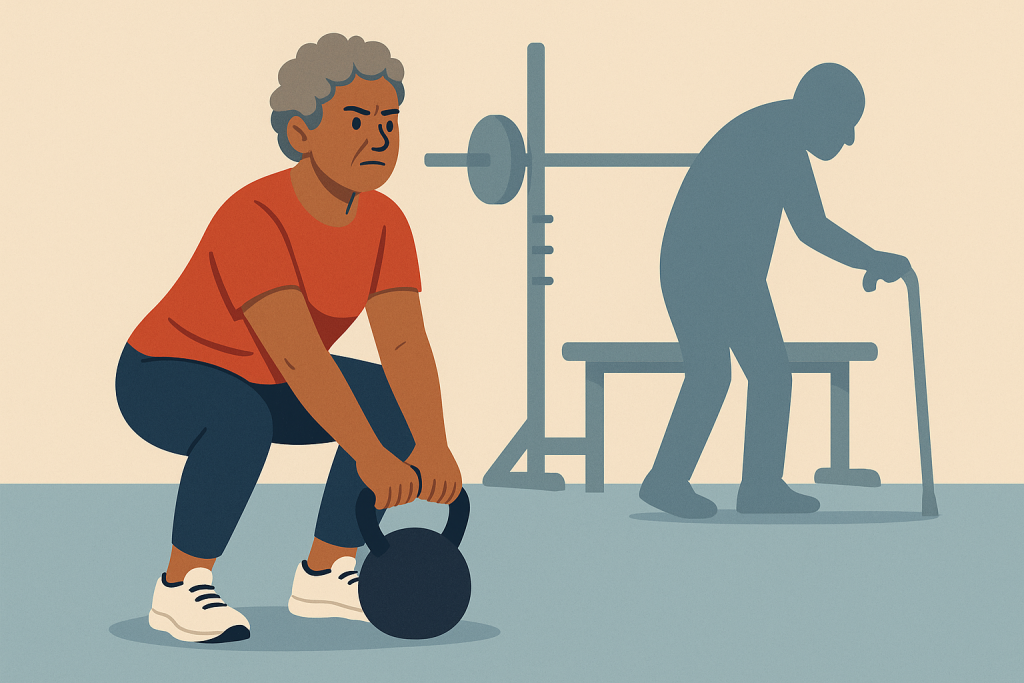
Functional Training: A Path to Combat Sarcopenia in Aging Populations
A community health worker stands at the entrance of a bustling senior center, contemplating how best to engage the older adults in her care. She understands too well the silent epidemic of sarcopenia, a condition that diminishes their strength and independence. The old ways of encouraging traditional exercise seem to be losing their grip on delivering promising outcomes. But could functional training—the kind that mimics their daily activities—be the solution they’ve been searching for?
Understanding Sarcopenia: A Growing Public Health Concern
Sarcopenia, the age-related loss of muscle mass and function, is not just a natural part of aging; it manifests as a profound public health issue as our global population gets older. Affecting roughly 10-16% of older adults worldwide—and over 20% in China—the condition severely impacts their quality of life. What complicates the fight against this condition is not just its physiological roots but also social and environmental factors, such as the accessibility and relevance of interventions to real-life contexts.
Functional Training Shows Promise
Research suggests that functional training (FT), a mode of exercise targeting real-life movements, offers a more effective intervention for combatting sarcopenia. This approach isn’t mired in the adherence challenges of traditional resistance and aerobic exercises. Instead, it mirrors daily activities such as squatting, lifting, and balancing—making it highly relevant to the everyday needs of older adults.
What the Study Asked and How It Answered
The review aimed to synthesize existing knowledge and identify the potential mechanisms through which functional training benefits older adults. By assessing randomized controlled trials and existing literature, the researchers delved into how FT impacts muscle strength, balance, and overall function. They examined whether FT could enhance sarcopenia outcomes beyond what traditional exercises have managed.
Key Findings: More Than Just Muscle
While functional training overlaps with conventional exercise interventions in some benefits, its distinct focus on daily living simulations provides notable enhancements in balance and mobility not commonly achieved through solitary resistance training. These training exercises have shown effectiveness in improving muscle mass and function through pathways like the PI3K/Akt/mTOR signaling, crucial in muscle protein synthesis.
Key Insight: The evidence suggests that FT’s impact extends to improving mitochondrial function and reducing inflammation, both critical in maintaining muscle health as we age. These physiological shifts are vital for enhancing mobility and reducing fall risks among older adults.
Implications Through An Equity Lens
The emphasis on functional training also highlights the social determinants of health, calling for a need to scale interventions that are woven into the fabric of the individual’s living environment and cultural norms. Communities that face barriers such as transportation or limited access to health facilities can particularly benefit from FT programs that are adaptable and home-friendly.
What This Means In Practice
Implementation could be transformative if public health agencies and community organizations prioritize FT as a central strategy. Here’s how:
- Develop partnerships with local senior centers to implement FT programs that incorporate daily life simulations.
- Invest in training and deploying fitness professionals skilled in delivering personalized FT interventions.
- Encourage community-based organizations to use digital platforms to deliver remote FT guidance, enhancing accessibility even in remote locations.
The Hard Part: Turning Evidence Into Action
Like any public health intervention, the shift to functional training is not without its barriers. Funding continually siphons resources towards traditional methods, and digital FT solutions face hurdles in tech accessibility. Beyond fiscal constraints, implementation efforts must address varied baseline fitness levels and comorbidities among older adults to personalize interventions effectively.
The complexities of sarcopenia’s diagnostic criteria also pose challenges in research comparability, suggesting a pressing need for standardization to drive more cohesive intervention assessments. Although digital solutions promise convenience, their success hinges on infrastructure that many communities still lack.
Conclusion
Functional training stands as a promising frontier in the war against sarcopenia, uniting exercise with everyday functionality. As we look to empower our aging population, the insights from this study suggest a path filled with potential, grounded in the activities that shape daily life. It beckons us to innovate and prioritize meaningful participation over mere exercise adherence. In doing so, we can offer older adults not just more years, but more life within those years.
Discussion Questions
- How can local agencies tailor functional training programs to the specific cultures and needs of their communities?
- What infrastructural changes are required to make digital training solutions accessible and effective?
- Which organizations should take the lead in integrating functional training into current public health initiatives for older adults?