Hantavirus Outbreak and Weight Loss Drugs
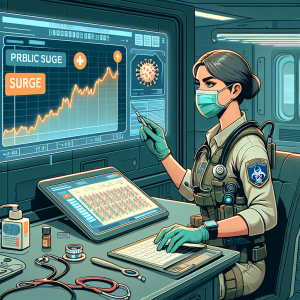
This week, public health has faced significant challenges, most notably the hantavirus outbreak aboard the MV Hondius cruise ship, which has resulted in multiple fatalities and raised questions about safety on such travel vessels. As reported by the World Health Organization (WHO), the potential for human-to-human transmission, although rare, is being investigated as cases of severe respiratory illness among passengers have emerged.
The Hantavirus Outbreak Aboard MV Hondius
The recent hantavirus outbreak has highlighted the intersection of travel and infectious disease. As of May 4, 2026, the outbreak has resulted in three confirmed deaths and significant distress among passengers. The cruise ship was quarantined, with health authorities emphasizing that while the illness is severe, the overall public health risk remains low (BBC). This situation serves as a crucial reminder of the need for heightened health surveillance and outbreak readiness in confined environments.
Key Points
- Understanding the transmission routes and risks associated with hantavirus is essential for public health measures.
- Implementation of measures such as cabin sanitation and health checks can mitigate future outbreaks.
- The role of travel in disease spread cannot be overstated, emphasizing the need for traveler awareness.
Weight Loss Drugs: Impacts on Mental Health
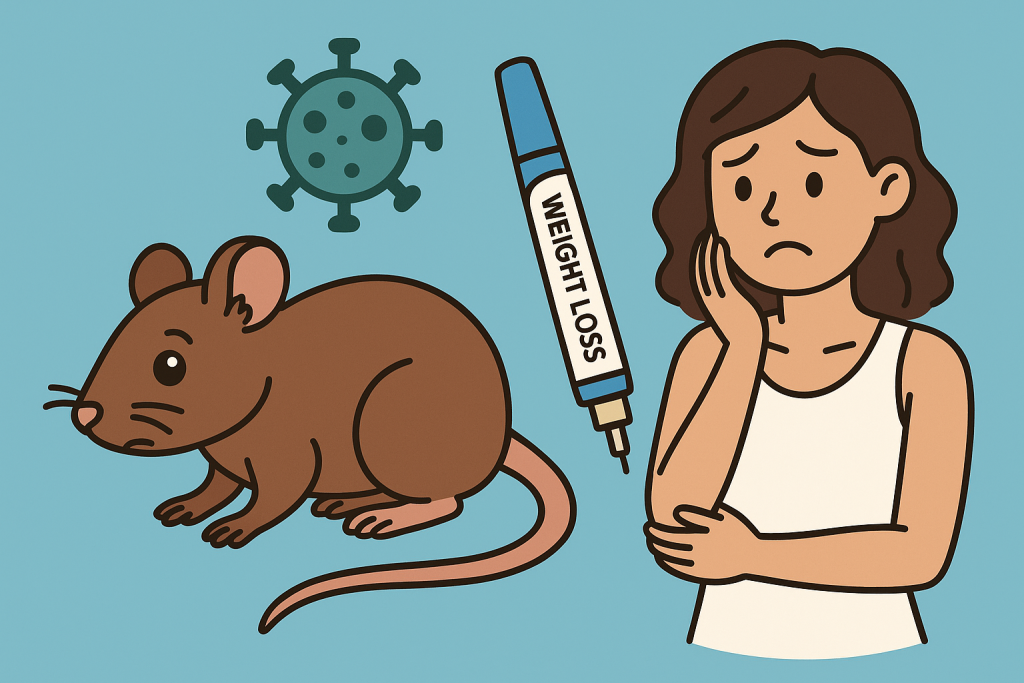
In another critical area, the effects of new weight loss drugs, particularly GLP-1 receptor agonists like semaglutide (Ozempic), are being scrutinized for their potential mental health impacts. Reports from Cancer Research UK highlight that while these medications effectively promote weight loss and improve metabolic health, they may also lead to emotional and identity challenges for users.
Emerging Concerns
- Reports of ’emotional flattening’ among some users indicate a complex relationship between weight loss and psychological well-being, suggesting that further research is necessary to understand these impacts.
- As discussed in recent studies, the societal stigma around weight loss drugs also contributes to mental health burdens.
- Ongoing research is needed to understand the full implications of medications on patients’ mental health, notably as we consider chronic weight management approaches.
NHS Challenges and Medication Shortages
The NHS continues to navigate increasing medication shortages, exacerbated by ongoing political and global issues, including the Iran conflict. Insights from a recent Guardian article underscore the urgency of this situation as health services may struggle to provide essential treatments
Implications for Public Health
- Strategic interventions, such as robust supply chain management and enhanced interdepartmental communication, are critical for mitigating the impact of these shortages.
- Public health advocacy must push for policy changes that support preventive care options amidst medication limitations.
- The development of alternative treatment pathways, particularly in chronic conditions where medication dependence is high, should be prioritized.
The convergence of these public health issues highlights the ongoing complexities faced by health authorities. As we continue to monitor these trends, proactive responses and community education will be key to fostering resilience and ensuring better public health outcomes.