Pesticide Risks: Surprising Challenges for Farmers
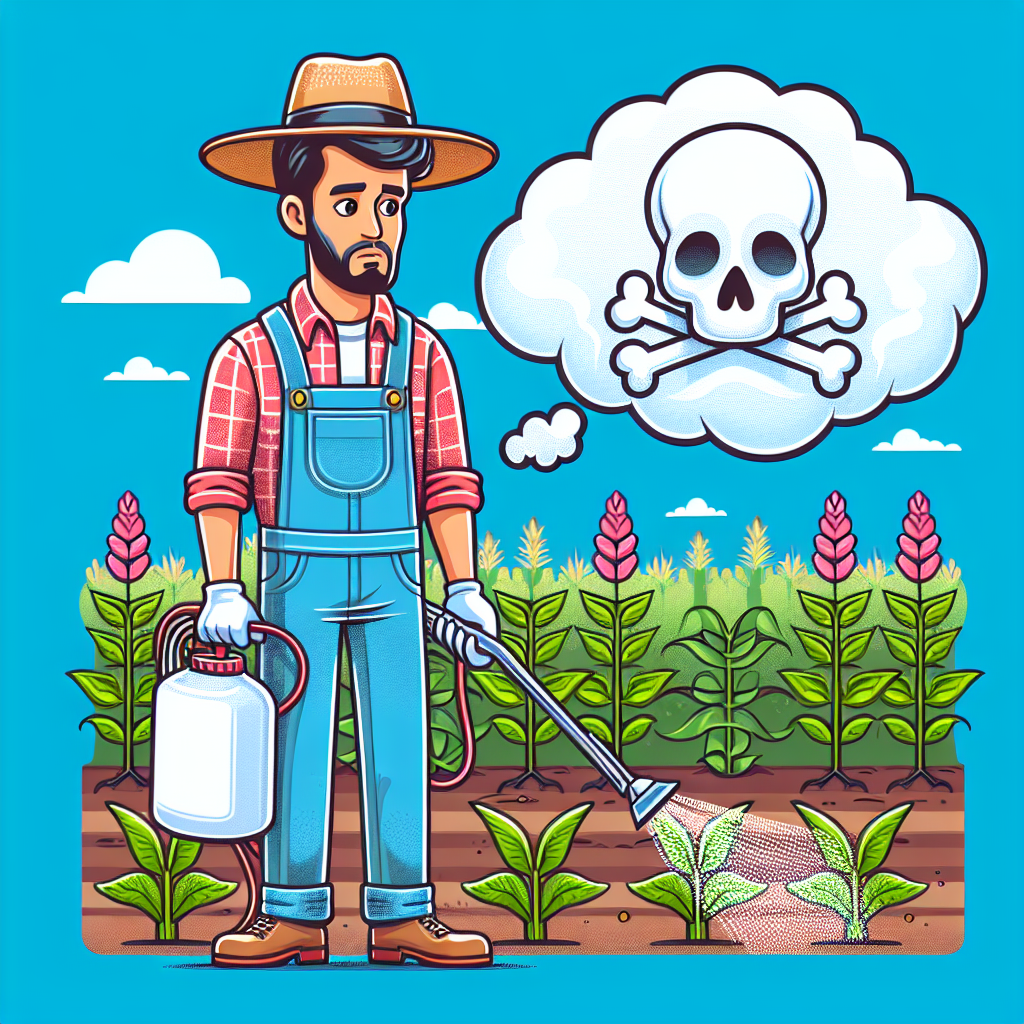
Imagine a smallholder farmer named Carlos in Costa Rica, laboring tirelessly under the tropical sun to tend to his crops. Like many farmers in low- and middle-income countries (LMICs), Carlos relies heavily on pesticides to protect his livelihood. Yet, he remains unaware of the hidden risks these chemicals pose to his health.
The global conversation around pesticide exposure has intensified, especially among smallholder farmers in tropical regions like Costa Rica and Uganda. This discussion is critical as these farmers face unique exposure challenges that directly affect their health and productivity.
Pesticide Exposure: An Urgent Issue
Pesticides play a vital role in protecting crops from pests, but come with significant health risks when safety practices are not followed. Most smallholder farmers in LMICs lack access to adequate training and resources, amplifying their vulnerability to pesticide-related health issues like respiratory symptoms, neurological disorders, and even cancer.
The Study: Evidence from Costa Rica and Uganda
A study led by Anouk Petitpierre and colleagues sought to shed light on the real-world impact of pesticide exposure among 601 farmers in Costa Rica and Uganda. This research is the first of its kind to compare organic and conventional smallholder farmers using biomarker-based data. Urine samples were analyzed for seven biomarkers associated with common pesticides, including mancozeb, glyphosate, and pyrethroids.
Findings revealed that pesticide residues were pervasive among participants, with variation in exposure levels based on farming practices and regional differences. In Costa Rica, higher levels of glyphosate and pyrethroid insecticides were observed, whereas Ugandan farmers exhibited elevated concentrations of other chemicals, such as 2,4-D and fungicides.
Key Determinants of Pesticide Exposure
- Type of Farming: Organic practices were associated with reduced pesticide exposure, highlighting them as a safer alternative.
- Training and Education: Previous training in pesticide safety significantly lowered farmers’ exposure levels, stressing the importance of accessible education.
- Age and Experience: Older farmers had greater exposure, likely due to prolonged contact and possibly lower metabolic rates.
Key Insight: Farmers practicing organic farming exhibited 24–68% lower biomarker levels compared to conventional methods.
What This Means in Practice
- Local Health Departments: Prioritize pesticide safety training programs tailored to smallholder farmers.
- NGOs and Community Programs: Advocate for organic farming transitions and provide financial support to mitigate transition costs.
- Policymakers: Implement regulations requiring periodic training and providing resources for protective gear.
Challenges and Future Directions
Despite the promising findings, many challenges remain. Political will, financial constraints, and systemic barriers often impede progress. Moreover, there is a strong need to overcome community distrust and ensure that farmers recognize the benefits of adopting safer practices.
Future research should focus on expanding study cohorts in LMICs to develop locally relevant intervention strategies. Stakeholders should also explore how financial incentives, such as subsidies for organic farming and protective gear, could accelerate change.
Reflective Questions
- How might your agency adapt these findings to improve local farming practices?
- What financial or structural barriers do you foresee in implementing these solutions?
- Does this research challenge your assumptions about the safety of organic vs. conventional farming?
As we look to the future, the findings from this study underscore the pressing need for tailored interventions to safeguard farmers’ health while promoting sustainable agricultural practices.