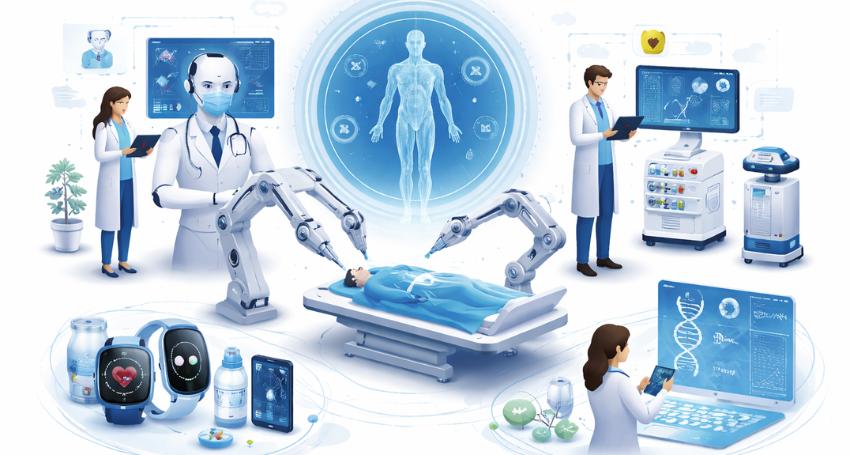
The Future of Care: Latest Innovations in Healthcare Technology in 2026
Healthcare is evolving faster than ever. The Latest Innovations in Healthcare Technology are not just improving efficiency; they are redefining how care is delivered, experienced, and measured. From artificial intelligence to wearable devices, technology now plays a central role in patient outcomes and system performance.
As we move through 2026, healthcare providers, researchers, and policymakers must stay informed and adaptable. This article explores the most impactful innovations shaping the future of healthcare while aligning with the growing demand for accessible, data-driven, and patient-centered solutions.
Latest Innovations in Healthcare Technology Driving Change
The Latest Innovations in Healthcare Technology are transforming both clinical and operational aspects of healthcare. These advancements are not isolated trends; they work together to create a more connected and efficient system.
Artificial Intelligence in Diagnostics
AI continues to revolutionize diagnostics. Machine learning models now analyze medical images, lab results, and patient histories with remarkable accuracy. As a result, clinicians can detect diseases earlier and make more informed decisions.
For example, AI-powered tools assist in identifying conditions like cancer, cardiovascular diseases, and neurological disorders. These systems reduce human error and speed up diagnosis, ultimately improving patient outcomes.
Telemedicine and Virtual Care Expansion
Telemedicine has moved beyond convenience; it has become essential. Virtual consultations now allow patients to access care regardless of location. This shift is especially valuable in underserved or rural areas.
Moreover, telehealth platforms integrate with electronic health records, enabling seamless communication between patients and providers. As technology improves, virtual care will continue to expand into specialized services such as mental health and chronic disease management.
Wearable Technology and Remote Monitoring
Real-Time Health Tracking
Wearable devices are among the most visible examples of the Latest Innovations in Healthcare Technology. These devices track vital signs such as heart rate, oxygen levels, and sleep patterns in real time.
Patients now play an active role in managing their health. Continuous monitoring helps detect anomalies early, allowing for timely intervention. This proactive approach reduces hospital visits and improves long-term health outcomes.
Chronic Disease Management
Remote monitoring tools have transformed how chronic conditions are managed. Patients with diabetes, hypertension, or respiratory illnesses can share real-time data with healthcare providers.
Consequently, doctors can adjust treatment plans quickly and effectively. This ongoing connection enhances patient engagement while reducing healthcare costs.
Robotics and Automation in Healthcare
Surgical Precision and Efficiency
Robotic-assisted surgeries are becoming more common. These systems allow surgeons to perform complex procedures with greater precision and minimal invasiveness.
Patients benefit from shorter recovery times, reduced pain, and lower risk of complications. Hospitals also improve efficiency by streamlining surgical workflows.
Automation in Administrative Tasks
Beyond clinical applications, automation is improving administrative processes. Tasks such as scheduling, billing, and patient record management are now handled more efficiently through digital systems.
This shift frees up healthcare professionals to focus on patient care rather than paperwork, enhancing overall service quality.
Data Integration and Interoperability
Connected Healthcare Systems
One of the most critical aspects of the Latest Innovations in Healthcare Technology is data integration. Healthcare systems now prioritize interoperability, allowing different platforms to communicate seamlessly.
This connectivity ensures that patient data is accessible across providers, leading to better coordination and continuity of care.
Predictive Analytics for Better Outcomes
Predictive analytics uses large datasets to forecast health trends and risks. Healthcare providers can identify at-risk patients and implement preventive measures before conditions worsen.
This data-driven approach improves population health while reducing unnecessary hospitalizations.
Cybersecurity and Patient Data Protection
As healthcare becomes more digital, protecting patient data is essential. Advanced cybersecurity measures now safeguard sensitive information from breaches and unauthorized access.
Healthcare organizations invest in secure systems to maintain trust and comply with regulations. Strong data protection strategies ensure that innovation does not compromise privacy.
Aligning Innovation with Public Health Goals
The Latest Innovations in Healthcare Technology also support broader public health initiatives. Digital tools help track disease outbreaks, monitor vaccination programs, and analyze health trends on a global scale.
Platforms like This Week in Public Health emphasize the importance of integrating technology with public health strategies. By combining innovation with data-driven insights, stakeholders can address health challenges more effectively.
What This Means for the Future
The rapid pace of technological advancement presents both opportunities and challenges. While innovation improves efficiency and outcomes, it also requires continuous adaptation.
Healthcare professionals must embrace ongoing learning, while organizations must invest in infrastructure and training. At the same time, policymakers need to ensure equitable access to these technologies.
Stay Informed, Stay Ahead
Staying up to date on the Latest Innovations in Healthcare Technology is no longer optional it is essential. Whether you are a healthcare professional, researcher, or policymaker, understanding these trends helps you make better decisions and drive meaningful change.
For more insights, expert analysis, and timely updates. Explore how innovation intersects with public health and discover the strategies shaping the future of healthcare worldwide.
Conclusion
The healthcare landscape in 2026 reflects a powerful blend of technology and human-centered care. The Latest Innovations in Healthcare Technology are improving diagnostics, enhancing patient engagement, and optimizing system performance.
As these innovations continue to evolve, they will redefine what is possible in healthcare. By staying informed and adaptable, we can ensure that these advancements benefit everyone, creating a healthier, more connected world. Contact us for more information