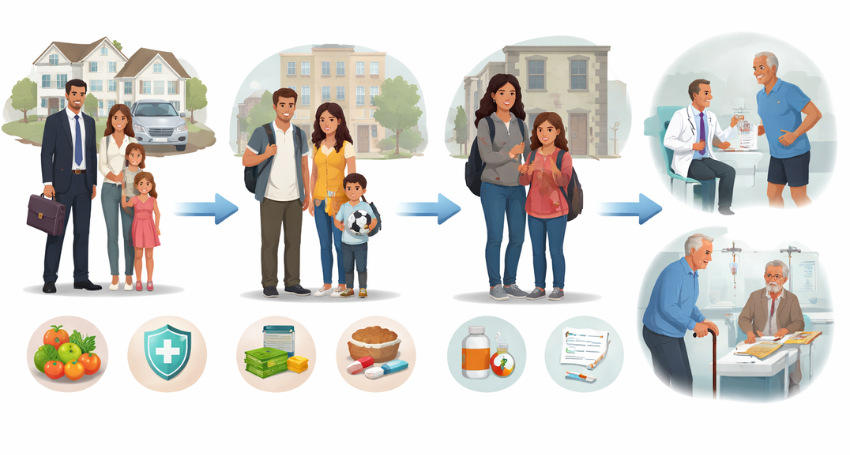
Bridging the Gap: How Social and Economic Factors Shape Our Health
Health is often seen as a result of personal choices, but the reality is far more complex. The Impact of Socioeconomic Status on Health Outcomes plays a defining role in shaping how long people live, how healthy they feel, and what care they can access. Income, education, and living conditions influence nearly every aspect of health, from prevention to treatment.
As public health continues to evolve, especially in light of recent digital and algorithm-driven shifts like Google’s March 2026 core update, content that clearly addresses real-world health challenges has become more important than ever. Understanding these disparities not only improves awareness but also drives meaningful change in this blog
What Is Socioeconomic Status?
Socioeconomic status (SES) refers to an individual’s or group’s economic and social position relative to others. It typically includes three core factors:
Income
Income determines access to essentials such as nutritious food, safe housing, and healthcare services.
Education
Education shapes health literacy, enabling individuals to make informed decisions about their well-being.
Occupation
Job type often influences exposure to health risks, stress levels, and access to benefits like insurance.
Together, these factors create a framework that directly impacts health outcomes across populations.
The Impact of Socioeconomic Status on Health Outcomes
Access to Healthcare
People with higher socioeconomic status often have better access to quality healthcare. They can afford regular checkups, preventive screenings, and timely treatments. In contrast, lower-income populations frequently delay care due to cost concerns, which can worsen conditions over time.
Living Conditions and Environment
Where someone lives significantly affects their health. Communities with limited resources may face:
- Poor air quality
- Limited access to clean water
- Unsafe housing conditions
These environmental stressors increase the risk of chronic illnesses such as asthma and cardiovascular disease.
Nutrition and Lifestyle Choices
Healthy food options often come at a higher cost. As a result, individuals in lower SES brackets may rely on processed or affordable foods, which can contribute to obesity, diabetes, and other health issues.
Moreover, access to safe recreational spaces influences physical activity levels, further widening health disparities.
Education and Health Literacy
Education plays a powerful role in shaping health behaviors. Individuals with higher education levels tend to:
- Understand medical advice more clearly
- Engage in preventive care
- Avoid risky behaviors such as smoking
On the other hand, limited health literacy can lead to misunderstandings about treatments or delayed medical intervention. Therefore, improving education access remains a critical step in addressing The Impact of Socioeconomic Status on Health Outcomes.
Mental Health and Socioeconomic Factors
Socioeconomic challenges often create chronic stress. Financial instability, job insecurity, and unsafe neighborhoods contribute to anxiety and depression.
Importantly, access to mental health services also varies. Higher-income individuals are more likely to receive counseling or therapy, while others may face stigma or a lack of resources.
This imbalance highlights how SES affects not only physical health but also emotional well-being.
The Role of Public Health Systems
Public health initiatives aim to reduce disparities caused by socioeconomic differences. These efforts include:
- Expanding healthcare coverage
- Promoting community-based programs
- Improving access to education and nutrition
However, lasting change requires collaboration between policymakers, healthcare providers, and communities. Data-driven insights and accessible content aligned with modern search and AI expectations can further support these initiatives.
Why This Topic Matters More Than Ever
Recent updates in search algorithms emphasize helpful, people-first content. This shift reinforces the need to address real issues like The Impact of Socioeconomic Status on Health Outcomes with clarity and depth.
For platforms like This Week in Public Health, this means delivering accurate, actionable insights that answer user intent while supporting evidence-based discussions.
By focusing on expertise and relevance, public health content can reach wider audiences and drive meaningful engagement.
How We Can Reduce Health Inequalities
Addressing socioeconomic health disparities requires a multi-layered approach:
Policy Changes
Governments can implement policies that improve access to healthcare, education, and housing.
Community Engagement
Local programs can provide resources tailored to specific community needs.
Education and Awareness
Raising awareness empowers individuals to advocate for better health resources.
Digital Accessibility
Reliable, easy-to-understand online content ensures that more people can access critical health information.
Conclusion
Socioeconomic status influences health in profound ways, shaping access, behavior, and outcomes. While the challenges are significant, they are not insurmountable. Through informed policies, community support, and accessible information, we can reduce disparities and improve health for all.
Understanding this connection is the first step. Acting on it is what truly makes the difference. Contact us for the latest updates, expert perspectives, and practical solutions that help bridge the gap in health outcomes worldwide.