When Seconds Matter: The Hidden Impact of Workforce Gaps on Emergency Response
In any emergency, whether it’s a natural disaster, disease outbreak, or public safety crisis, response time saves lives. Yet, many systems struggle to respond effectively due to a critical issue: workforce shortages. Understanding How Workforce Gaps Affect Emergency Response Systems is essential for improving preparedness and protecting communities.
Across public health and emergency management sectors, staffing shortages are no longer temporary setbacks. Instead, they have become a persistent challenge that weakens response capabilities, delays interventions, and increases risks for both responders and the public.
Let’s explore in this blog how these workforce gaps impact emergency response systems and what can be done to address them.
How Workforce Gaps Affect Emergency Response Systems
Workforce gaps directly influence the speed, coordination, and effectiveness of emergency responses. When there are not enough trained professionals available, even well-designed systems begin to falter.
Slower Response Times
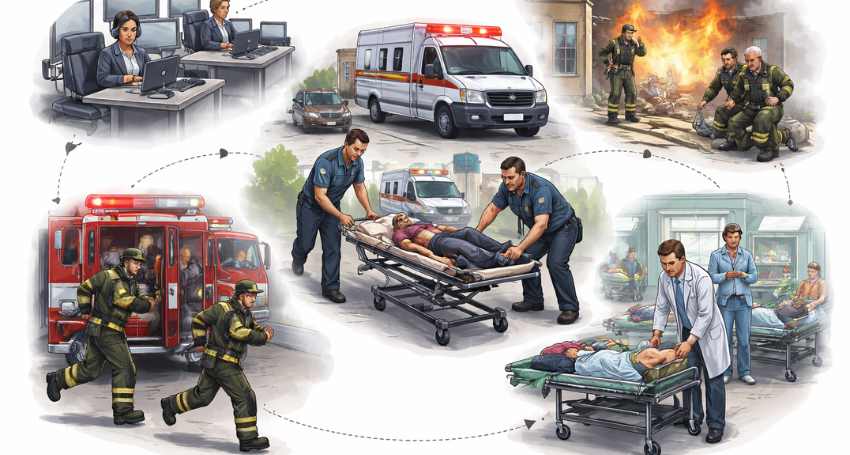
First and foremost, fewer staff members mean slower reaction times. Emergency calls may go unanswered longer, ambulances may take more time to arrive, and public health interventions may be delayed.
In high-pressure situations, even a few minutes can make a significant difference. Workforce shortages stretch teams thin, forcing them to prioritize cases and leaving some emergencies underserved.
Increased Burnout Among Responders
Another major consequence of workforce shortages is burnout. When fewer professionals handle increasing workloads, stress levels rise quickly.
Overworked responders often experience fatigue, reduced focus, and emotional exhaustion. As a result, the quality of decision-making can decline, which further impacts emergency response effectiveness.
Reduced Coordination and Communication
Effective emergency response depends on seamless coordination between teams. However, workforce gaps disrupt communication channels.
When teams operate understaffed, coordination becomes fragmented. This leads to miscommunication, delayed information sharing, and inefficient use of resources during critical moments.
Key Causes Behind Workforce Shortages
To fully understand How Workforce Gaps Affect Emergency Response Systems, it’s important to examine what drives these shortages.
Aging Workforce
Many experienced professionals in emergency services and public health are approaching retirement. Unfortunately, there are not enough trained individuals entering the field to replace them.
Limited Training and Education Pipelines
Training emergency responders takes time and resources. In many regions, limited access to training programs slows workforce development.
Budget Constraints
Funding plays a major role in hiring and retaining staff. Budget limitations often restrict recruitment efforts, leaving essential positions unfilled.
High Turnover Rates
Stressful working conditions contribute to high turnover. Many professionals leave due to burnout, lack of support, or better opportunities elsewhere.
Real-World Impacts on Public Health and Safety
Workforce shortages do not just affect internal operations—they directly impact public safety outcomes.
Delayed Emergency Medical Care
In healthcare settings, fewer staff members can lead to overcrowded emergency departments and delayed treatment. Patients may wait longer for critical care, increasing health risks.
Weakened Disaster Preparedness
Preparedness requires continuous planning, training, and drills. Workforce gaps limit the ability to maintain readiness, leaving systems vulnerable when disasters strike.
Strain During Public Health Crises
During outbreaks or pandemics, demand for services spikes dramatically. Without adequate staffing, systems struggle to scale their response effectively.
Strategies to Strengthen Emergency Response Workforce
Addressing workforce gaps requires a proactive and strategic approach. Fortunately, several solutions can help strengthen emergency response systems.
Invest in Workforce Development
Governments and organizations must prioritize training programs. Expanding access to education and certifications can help build a steady pipeline of skilled professionals.
Improve Working Conditions
Reducing burnout starts with better support systems. Competitive salaries, mental health resources, and manageable workloads can improve retention rates.
Leverage Technology
Technology can help bridge workforce gaps. Tools like AI-driven dispatch systems, telehealth services, and data analytics improve efficiency and reduce pressure on staff.
Foster Cross-Sector Collaboration
Collaboration between public health agencies, hospitals, and emergency services enhances resource sharing. This approach ensures better coordination during crises.
The Role of Public Health Platforms in Addressing Workforce Gaps
Platforms like This Week in Public Health play a crucial role in raising awareness and sharing insights about workforce challenges.
By highlighting trends, policy updates, and innovative solutions, these platforms empower professionals and decision-makers to take informed action. Staying informed helps organizations adapt to evolving challenges and build more resilient systems.
Why This Issue Demands Immediate Attention
The conversation around How Workforce Gaps Affect Emergency Response Systems is not just theoretical it has real-life consequences.
Communities depend on these systems during their most vulnerable moments. Without enough skilled professionals, even the best infrastructure cannot function effectively.
Addressing workforce shortages today will determine how well we respond to tomorrow’s emergencies.
Conclusion
Workforce shortages are one of the most pressing challenges facing emergency response systems today. From delayed care to reduced coordination, the effects are far-reaching.
However, with strategic investments, improved working conditions, and stronger collaboration, it is possible to close these gaps. Understanding How Workforce Gaps Affect Emergency Response Systems is the first step toward meaningful change.
By addressing these issues head-on, we can ensure faster, more effective responses and ultimately save more lives. For more expert insights, industry updates, and actionable strategies, explore the latest resources on This Week in Public Health. Together, we can build stronger, more resilient emergency response systems that protect lives when it matters most. Contact us for more information