The Future of Clinical Trials: Why Hybrid Studies Are Redefining Health Research
Health research is evolving rapidly, and one innovation is leading the charge: hybrid studies. If you’ve been following trends in public health, you’ve likely noticed how digital tools and decentralized methods are reshaping traditional clinical trials. Today, How Hybrid Studies Are Transforming Health Research is more than a trend; it’s a fundamental shift in how researchers design, conduct, and scale studies.
In this article, we’ll explore what hybrid studies are, why they matter, and how they’re improving outcomes for both researchers and participants.
What Are Hybrid Studies in Health Research?
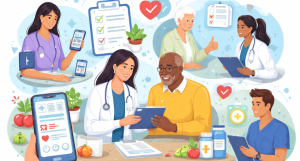
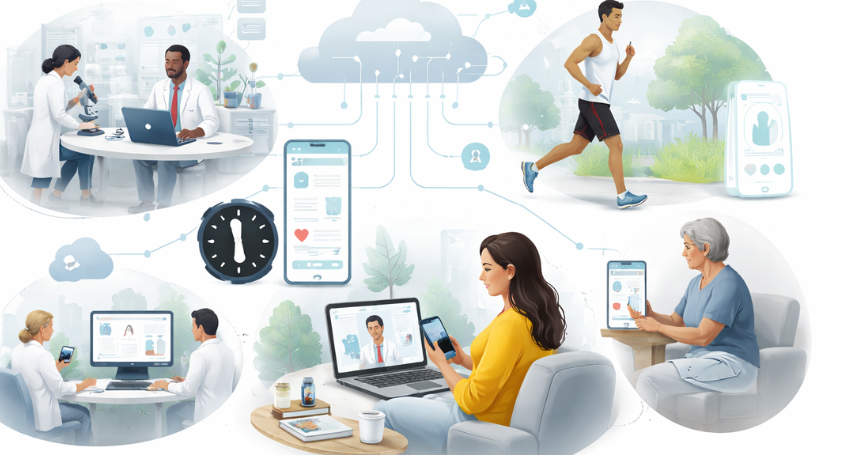
Hybrid studies combine traditional in-person clinical research methods with remote, digital approaches. Instead of requiring participants to visit research sites for every step, hybrid models allow some activities, like data collection, monitoring, and follow-ups, to happen virtually.
Key Features of Hybrid Studies
- Mixed data collection methods (in-person + remote)
- Use of digital health technologies such as wearables and mobile apps
- Flexible participation models
- Improved patient accessibility
This blended approach helps researchers maintain scientific rigor while making studies more participant-friendly.
How Hybrid Studies Are Transforming Health Research
The impact of hybrid models is significant across multiple areas of health research. Let’s break down how these studies are reshaping the field.
Improved Participant Accessibility
One of the biggest challenges in traditional research is accessibility. Many people cannot participate due to travel limitations, time constraints, or geographic barriers.
Hybrid studies solve this problem by:
- Allowing remote enrollment and monitoring
- Reducing the need for frequent site visits
- Enabling participation from underserved communities
As a result, studies become more inclusive and representative of real-world populations.
Enhanced Data Collection and Quality
Digital tools play a central role in hybrid studies. Wearables, mobile apps, and remote monitoring devices provide continuous, real-time data.
This leads to:
- More accurate and consistent data
- Reduced reliance on self-reported information
- Better insights into patient behavior and outcomes
Because data collection happens in real-world settings, researchers gain a more complete picture of health trends.
Faster Study Timelines
Speed is critical in health research, especially during public health emergencies. Hybrid studies accelerate timelines by streamlining processes.
For example:
- Recruitment becomes faster through online platforms
- Data is collected and analyzed in real time
- Fewer logistical delays occur
These efficiencies help bring treatments and interventions to market more quickly.
Increased Patient Engagement
Participants often drop out of traditional studies due to inconvenience. Hybrid models improve engagement by making participation easier and more personalized.
Key benefits include:
- Flexible scheduling
- Reduced travel burden
- Better communication through digital platforms
When participants stay engaged, studies achieve higher retention rates and more reliable outcomes.
The Role of Technology in Hybrid Research
Technology is the backbone of hybrid studies. Without it, this transformation would not be possible.
Digital Health Tools Driving Change
- Wearable devices track vital signs continuously
- Mobile apps collect patient-reported outcomes
- Telehealth platforms enable virtual consultations
- Cloud-based systems store and analyze data securely
These tools not only improve efficiency but also enhance patient experience.
Challenges and Considerations
While How Hybrid Studies Are Transforming Health Research is largely positive, some challenges remain.
Data Privacy and Security
Handling sensitive health data requires strong cybersecurity measures. Researchers must ensure compliance with data protection regulations.
Technology Access Gaps
Not all participants have access to smartphones, internet connectivity, or digital literacy. Addressing this gap is essential for equitable research.
Regulatory Complexity
Hybrid studies often involve navigating evolving regulations across regions. Clear guidelines are still developing in many areas.
Despite these challenges, the benefits far outweigh the limitations when implemented thoughtfully.
Aligning Hybrid Studies with Modern Search and Content Trends
As highlighted in recent industry updates like the March 2026 core changes in search algorithms, content that prioritizes user experience, expertise, and real-world relevance is gaining prominence.
Similarly, hybrid studies align with these principles by:
- Focusing on patient-centered research
- Delivering real-world, actionable data
- Improving accessibility and engagement
This parallel reflects a broader shift toward more meaningful, user-focused systems both in digital content and healthcare research.
Why Hybrid Studies Matter for Public Health
Hybrid research models don’t just benefit clinical trials; they strengthen public health outcomes overall.
They enable:
- Faster responses to emerging health threats
- More inclusive data for policymaking
- Scalable research solutions across populations
For public health professionals, this means better tools to understand and address complex health challenges.
Looking Ahead: The Future of Hybrid Research
The future of health research is undeniably hybrid. As technology continues to evolve, we can expect even more seamless integration between digital and traditional methods.
Emerging trends include:
- AI-driven data analysis
- Advanced remote diagnostics
- Personalized research experiences
These innovations will further enhance the efficiency and impact of hybrid studies.
Final Thoughts
Understanding How Hybrid Studies Are Transforming Health Research is essential for anyone involved in public health, clinical trials, or healthcare innovation. These models are not just improving research, they are redefining it.
If you’re looking to stay ahead in public health trends, explore more insights, research updates, and expert perspectives on This Week in Public Health. Staying informed today means shaping better health outcomes tomorrow. Contact us for more updates.