Rare Disease Advocacy: Bridging Knowledge Gaps
In a quiet room in Poznań, Poland, Joanna, a mother of a child with a rare disease, logs into a virtual meeting with newfound hope. She’s about to interact with a group that has given her more than just support; it has armed her with knowledge and advocacy tools she never thought she’d wield.
A Pressing Issue: Rare diseases (RDs) affect millions across the EU and up to 3 million individuals in Poland alone. These conditions are often overlooked due to their rarity, creating significant gaps in both public awareness and healthcare professionals’ expertise. Without proper knowledge, affected families experience a prolonged diagnostic odyssey, grappling with multiple misdiagnoses and delayed treatments.
From Assumptions to Evidence
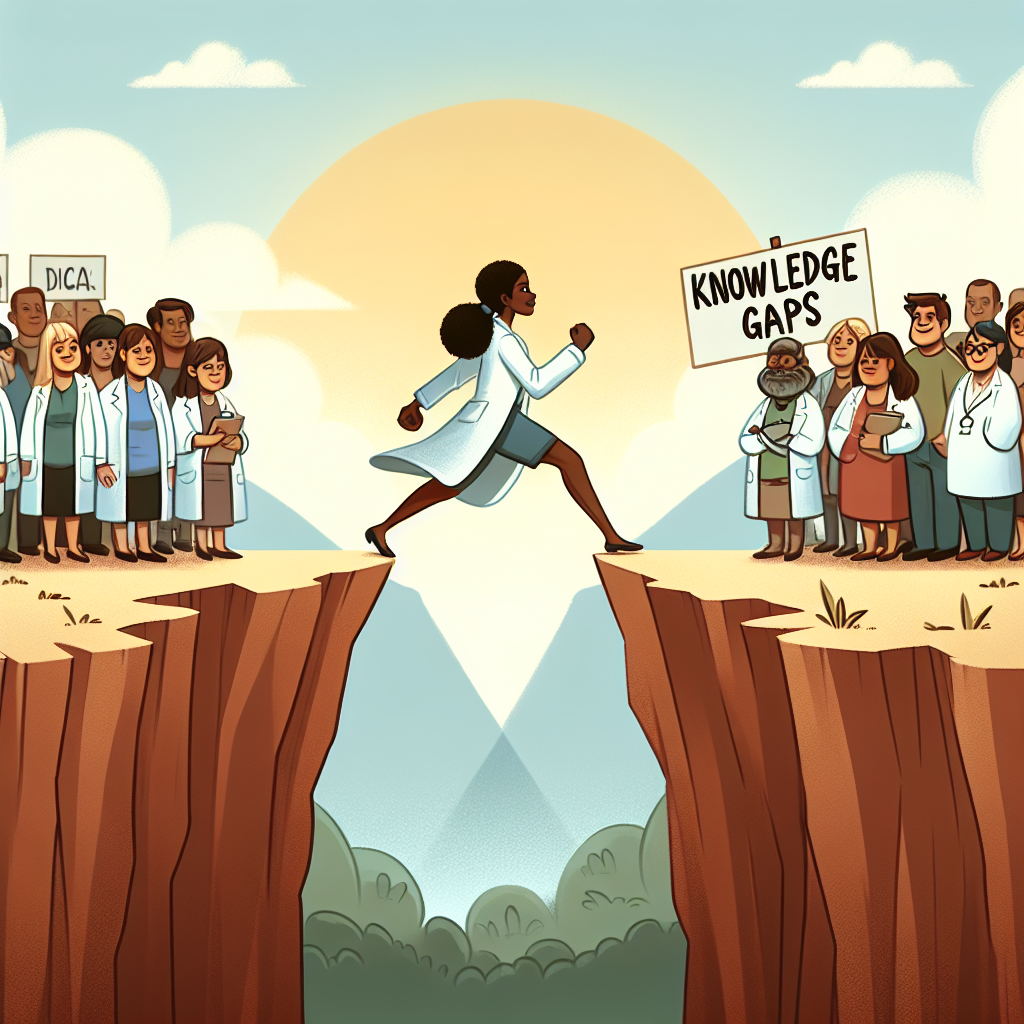
We might assume that professional healthcare systems cover all bases, but evidence from Poland suggests otherwise. Rare Disease Patient Advocacy Groups (RDPAGs) have emerged as crucial knowledge brokers, acting as the unexpected educators and navigators across the healthcare landscape. Through qualitative research, interviews with leaders from RDPAGs show how these groups exemplify how non-professional actors can fill critical roles conventionally assumed to be covered by medical professionals.
RDPAGs: Bridging Systemic Gaps
In the study, RDPAG leaders depicted their roles within four primary themes:
- Ambassadors of Knowledge: RDPAGs translate medical and experiential knowledge into practical guidance, helping families and professionals make informed decisions.
- Supporting Families: From diagnosis support to community engagement, RDPAGs equip families with the tools they need to navigate the healthcare maze.
- Challenging Expertise: They engage with health and education professionals to provide experiential knowledge, contributing to better management of RDs.
- Visibility and Advocacy: Public campaigns and policy advocacy to increase awareness and promote equitable healthcare practices.
What This Means in Practice
For Local Health Departments:
- Recognize and partner with RDPAGs for patient-centered diagnostics and care pathways.
- Incorporate RDPAGs’ educational resources when designing health professional training.
For NGOs and Community Programs:
- Support RDPAG initiatives by facilitating funding or resources for their educational activities.
- Collaborate in awareness-raising campaigns to build communal resilience and understanding of RDs.
For Policymakers:
- Integrate RDPAGs in advisory roles for health and education policy reforms.
- Provide frameworks that formalize and sustain the contributions of RDPAGs.
Next Steps and Considerations
Barriers and Opportunities
The potential of RDPAGs is not without hurdles. Limited funding, lack of formal recognition, and the burden on few engaged leaders can hinder the sustainability of these important initiatives. Political backing and institutional acknowledgment can empower these groups to expand their much-needed services.
Reflective Questions
To prompt further discussion and reflection, consider these questions within your organization or network:
- How can your agency incorporate experiential knowledge from RDPAGs into local practices?
- What constraints exist that might impede integrating these groups into more formal processes?
- Does this study challenge your assumptions about the roles non-professional groups play in healthcare and education?
Conclusion: As guardians of rare disease knowledge, RDPAGs in Poland are paving the way for more inclusive and informed healthcare ecosystems. It is an invitation to enhance collaborations with these hidden ambassadors, recognizing their invaluable contributions to bridging educational and systemic gaps in rare disease management.
For more insights, visit the full study in Frontiers in Public Health, and visit our friends at: