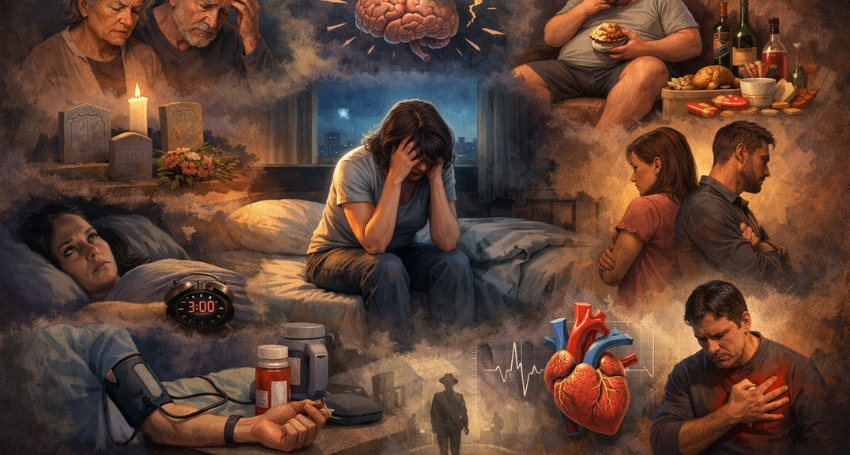
Beyond the Pandemic: Understanding the Lasting Effects of Stress on Our Health
The COVID-19 pandemic changed the world in ways few could have imagined. While the immediate crisis has eased in many regions, a pressing question remains: what are the long-term impacts of pandemic-related stress?
For millions, the pandemic was not just a physical health threat; it disrupted routines, strained relationships, and triggered widespread uncertainty. As a result, many individuals continue to experience lingering psychological and physical effects. Understanding these long-term impacts is essential for improving public health outcomes and building resilience for future crises.
The Psychological Toll That Lingers
Increased Anxiety and Chronic Stress
One of the most significant answers to what are the long-term impacts of pandemic-related stress are lies in mental health. Many people continue to experience heightened anxiety levels even after restrictions have lifted.
During the pandemic, constant exposure to uncertainty, health risks, financial instability, and social isolation trained the brain to stay in a prolonged state of alert. Over time, this can lead to chronic stress, which affects decision-making, emotional regulation, and overall well-being.
Depression and Emotional Fatigue
Another long-term consequence is a rise in depressive symptoms. Isolation, loss of loved ones, and disrupted life milestones created emotional fatigue for many individuals.
Even now, people report feeling unmotivated, disconnected, or overwhelmed. These lingering emotions highlight how deeply the pandemic affected mental health systems worldwide.
Physical Health Consequences of Prolonged Stress
Impact on the Immune System
When discussing what are the long-term impacts of pandemic-related stress are, it’s important to consider the body as well as the mind. Chronic stress weakens the immune system, making individuals more vulnerable to infections and illnesses.
Stress hormones like cortisol, when elevated over long periods, reduce the body’s ability to fight off disease. This creates a cycle where stress leads to illness, which in turn increases stress levels.
Cardiovascular and Sleep Issues
Long-term stress has also been linked to heart disease, high blood pressure, and poor sleep quality. Many people developed irregular sleep patterns during lockdowns, and these habits have persisted.
Sleep disruption alone can worsen both mental and physical health, making recovery from pandemic-related stress even more challenging.
Behavioral Changes That Persist
Shift in Lifestyle Habits
The pandemic reshaped daily routines. For some, this meant reduced physical activity, increased screen time, and unhealthy eating habits. These changes didn’t disappear overnight.
Understanding what are the long-term impacts of pandemic-related stress includes recognizing how these behaviors can lead to obesity, diabetes, and other chronic conditions.
Social Withdrawal and Isolation
Even as societies reopened, many individuals found it difficult to return to pre-pandemic social norms. Social anxiety and discomfort in public settings remain common.
This ongoing withdrawal can limit support systems, which are crucial for mental health recovery.
Impact on Children and Adolescents
Developmental and Educational Challenges
Young people experienced unique disruptions during the pandemic. School closures and remote learning affected both academic progress and social development.
Children may struggle with attention, emotional regulation, and peer relationships long after the pandemic ends.
Increased Emotional Sensitivity
Many children also show signs of increased anxiety and behavioral issues. Understanding what are the long-term impacts of pandemic-related stress requires special attention to this vulnerable group, as early-life stress can influence long-term health outcomes.
Workplace Stress and Burnout
The Rise of Burnout Culture
Remote work blurred the lines between professional and personal life. Many employees worked longer hours with fewer boundaries, leading to burnout.
Even today, workers report exhaustion, reduced productivity, and lack of motivation. This highlights how pandemic-related stress continues to affect workforce dynamics.
Job Insecurity and Financial Pressure
Economic instability during the pandemic created lasting financial stress for many households. This ongoing uncertainty contributes to chronic anxiety and impacts long-term decision-making.
How to Recover from Pandemic-Related Stress
Prioritize Mental Health Care
Seeking professional support can make a significant difference. Therapy, counseling, and community support programs help individuals process their experiences and rebuild resilience.
Rebuild Healthy Routines
Establishing consistent sleep, exercise, and nutrition habits can restore balance. Small, manageable changes often lead to long-term improvements.
Strengthen Social Connections
Reconnecting with friends, family, and community groups provides emotional support and reduces feelings of isolation.
Practice Stress Management Techniques
Mindfulness, meditation, and physical activity are effective tools for managing stress. These practices help regulate the nervous system and improve overall well-being.
Why Public Health Awareness Matters
Understanding what the long-term impacts of pandemic-related stress are not just an individual concern; it’s a public health priority. Communities, healthcare providers, and policymakers must work together to address these challenges.
By promoting mental health resources, encouraging healthy lifestyles, and supporting vulnerable populations, we can mitigate the long-term effects of this global crisis.
Conclusion
The pandemic may be behind us, but its impact is still unfolding. Recognizing and addressing the long-term effects of stress is essential for building a healthier future.
At This Week in Public Health, we are committed to providing insights that empower individuals and communities to make informed health decisions. If you’re looking to stay updated on the latest public health trends, research, and strategies, explore more of our content and join the conversation.
Together, we can turn lessons from the pandemic into opportunities for stronger, more resilient communities. Contact us