Exploring Alternatives to Hormone Replacement Therapy for Menopause
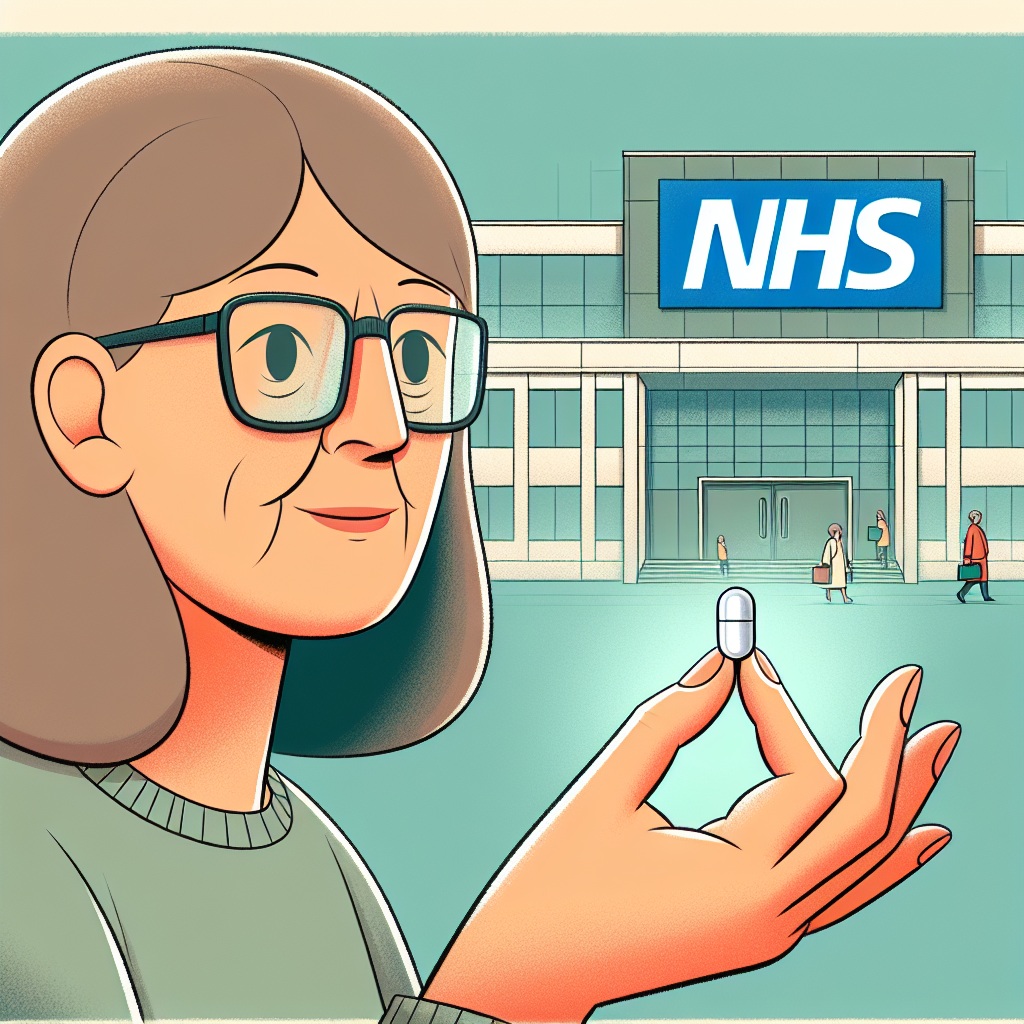
This week, an exciting development in women’s health took the spotlight with the introduction of a new non-hormonal daily pill as an alternative to Hormone Replacement Therapy (HRT) for managing menopausal symptoms such as hot flushes. As per the report by BBC Health, this new treatment could potentially benefit around 500,000 women in the UK who are unable to take HRT.
Understanding Menopause and Hormone Replacement Therapy
Menopause is a natural biological process that marks the end of a woman’s menstrual cycles. It is diagnosed after 12 months without a menstrual period and usually happens in the late 40s or 50s. Though it’s a natural phase of aging, hormonal changes can cause symptoms such as hot flushes, night sweats, mood changes, and vaginal dryness.
Hormone Replacement Therapy has been a standard treatment for easing menopausal symptoms. However, not all women can use HRT due to the associated risks, including a potential increase in breast cancer and cardiovascular issues, as highlighted by several studies.
Introducing a Non-Hormonal Alternative
The newly introduced non-hormonal option, as reported, represents a significant shift in how menopausal symptoms might be managed. Developed from extensive research, this daily pill does not contain estrogen or progesterone, making it a viable solution for those who are unable to take traditional HRT.
Why This Matters
The availability of a non-hormonal therapy provides an important alternative for women who are concerned about the side effects of HRT or those with contraindications to hormone therapy.
‘For many women experiencing severe menopause symptoms, this new pill offers hope and relief where traditional HRT might not have been an option,’ a prominent researcher noted.
Broader Implications for Women’s Health
This development is part of a growing recognition of the need for more inclusive health solutions tailored to women’s unique physiological needs. Recent studies, like the one mentioned by The Scientist, emphasize the importance of personalized medicine in treating diverse populations.
The healthcare sector is slowly responding to calls to improve women’s health initiatives, as emphasized in various reports, including those noting that traditional medical approaches may not fully address the diverse health challenges women face globally (UN Health).
Navigating the Future
Given this backdrop, continued research and innovation in women’s health are vital. Looking at traditional treatment gaps, like those related to menopausal care, through a modern lens not only improves outcomes for women but also strengthens public health approaches.
In essence, treatments that cater specifically to individual needs, rather than a one-size-fits-all approach, are likely to rise. This will contribute positively towards tackling inequality in healthcare, paving the way for a better quality of life for many women.
The introduction of this non-hormonal option on the NHS stands as a testament to progress and a beacon of hope for countless women seeking better health solutions as they navigate through menopause. It invites a broader conversation on dedicating more resources to women’s health issues, fostering an environment where innovation can thrive, and providing comprehensive care for all.