When the Forecast Turns Fierce: Understanding the Rise in Global Extreme Weather
Extreme heatwaves, record-breaking hurricanes, catastrophic floods, and relentless wildfires are no longer rare headlines. Instead, they have become part of our everyday news cycle. Many readers are asking the same question: Why Extreme Weather Is Increasing Worldwide?
The answer lies at the intersection of climate science, environmental change, and public health. As global temperatures rise and ecosystems shift, extreme weather events grow more intense, more frequent, and more destructive. At This Week in Public Health, in this blog, we examine these changes through a health-focused lens because weather is not just about the environment; it directly impacts communities, healthcare systems, and long-term well-being.
Why Extreme Weather Is Increasing Worldwide: The Science Explained
Scientists agree that the primary driver behind the surge in extreme weather is climate change. Human activities, especially the burning of fossil fuels, have increased greenhouse gas concentrations in the atmosphere. As a result, the planet traps more heat.
This warming effect disrupts natural weather patterns in several key ways:
1. Warmer Air Holds More Moisture
As temperatures rise, the atmosphere retains more water vapor. Consequently, storms produce heavier rainfall. This shift leads to flash floods, overwhelmed infrastructure, and contaminated water systems. Regions that once experienced moderate seasonal rain now face intense downpours within hours.
2. Rising Ocean Temperatures Fuel Stronger Storms
Tropical storms and hurricanes draw energy from warm ocean water. Because sea surface temperatures have increased, storms now intensify more rapidly and maintain strength longer. In recent years, we have seen more Category 4 and 5 storms form and make landfall.
3. Heatwaves Are Becoming Longer and Hotter
Global warming directly drives extreme heat events. Areas that previously experienced mild summers now endure prolonged heatwaves. These high temperatures increase risks for heatstroke, dehydration, and cardiovascular complications, especially among vulnerable populations.
4. Changing Jet Streams Disrupt Weather Patterns
The Arctic is warming faster than other parts of the world. This uneven warming weakens the jet stream, causing it to wobble. As a result, weather systems can stall over regions for days or weeks. This phenomenon explains prolonged droughts, persistent cold snaps, or extended rainfall events.
In short, climate change amplifies natural weather variability. The more the planet warms, the more unstable weather patterns become.
The Public Health Consequences of Increasing Extreme Weather
Understanding Why Extreme Weather Is Increasing Worldwide matters because the health impacts are immediate and far-reaching.
Heat-Related Illness and Mortality
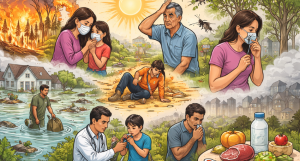
Extreme heat remains one of the deadliest weather-related hazards. Older adults, children, outdoor workers, and individuals with chronic illnesses face heightened risks. Hospitals often see spikes in emergency visits during prolonged heatwaves.
Respiratory Issues from Wildfires
Hotter and drier conditions contribute to more frequent and intense wildfires. Smoke exposure worsens asthma, chronic obstructive pulmonary disease (COPD), and other respiratory conditions. Even communities hundreds of miles away can experience hazardous air quality.
Waterborne and Vector-Borne Diseases
Flooding contaminates drinking water supplies and increases exposure to pathogens. Meanwhile, warmer climates expand the range of disease-carrying mosquitoes and ticks. Consequently, illnesses such as dengue, West Nile virus, and Lyme disease appear in regions that previously reported few cases.
Mental Health Impacts
Extreme weather events often displace families, destroy homes, and disrupt livelihoods. Survivors frequently experience anxiety, depression, and post-traumatic stress. Therefore, climate resilience must include mental health support alongside physical recovery efforts.
Why Extreme Weather Is Increasing Worldwide in Urban Areas
Cities face amplified risks due to infrastructure density and population concentration.
Urban heat islands intensify temperature extremes because concrete and asphalt absorb and retain heat. Moreover, inadequate drainage systems struggle to handle sudden heavy rainfall, leading to rapid flooding.
Low-income neighborhoods often experience the worst effects. Limited access to cooling, green spaces, and healthcare increases vulnerability. Public health professionals must prioritize equitable adaptation strategies to protect at-risk populations.
The Role of Human Activity
Although natural climate cycles exist, current trends exceed historical variability. Industrial emissions, deforestation, and land-use changes accelerate warming. Additionally, expanding urbanization disrupts natural floodplains and ecosystems that once buffered extreme events.
However, solutions exist. Renewable energy adoption, improved building codes, early warning systems, and community-based preparedness programs can significantly reduce risks.
Transitioning to sustainable systems not only mitigates climate change but also delivers immediate public health benefits, including cleaner air and reduced chronic disease burdens.
What Can Public Health Leaders Do?
Public health professionals stand at the frontline of climate response. By integrating climate data into health planning, agencies can anticipate surges in illness and deploy resources efficiently.
Key strategies include:
- Developing heat action plans
- Expanding climate surveillance systems
- Strengthening emergency preparedness
- Promoting climate literacy among healthcare providers
- Supporting policy initiatives that reduce emissions
Because climate and health are deeply connected, proactive planning saves lives.
Looking Ahead: Adapting to a Changing Climate
Extreme weather will likely continue as long as global temperatures rise. Nevertheless, informed action can reduce its severity and health impact.
Communities that invest in resilience, such as green infrastructure, cooling centers, improved stormwater systems, and early-warning alerts, recover faster and suffer fewer health consequences. Public awareness also plays a crucial role. When individuals understand Why Extreme Weather Is Increasing Worldwide, they are more likely to support evidence-based climate solutions.
Conclusion
At This Week in Public Health, we believe informed communities create healthier futures. Climate change and extreme weather are not distant environmental issues; they are urgent public health challenges affecting families right now.
If you want evidence-based insights on climate trends, health impacts, and policy solutions, explore our latest features and weekly updates. Share this article with colleagues, community leaders, and healthcare professionals who care about protecting public health in a changing world. Together, we can build resilience, advocate for science-driven solutions, and prepare for the challenges ahead. Contact us for more information