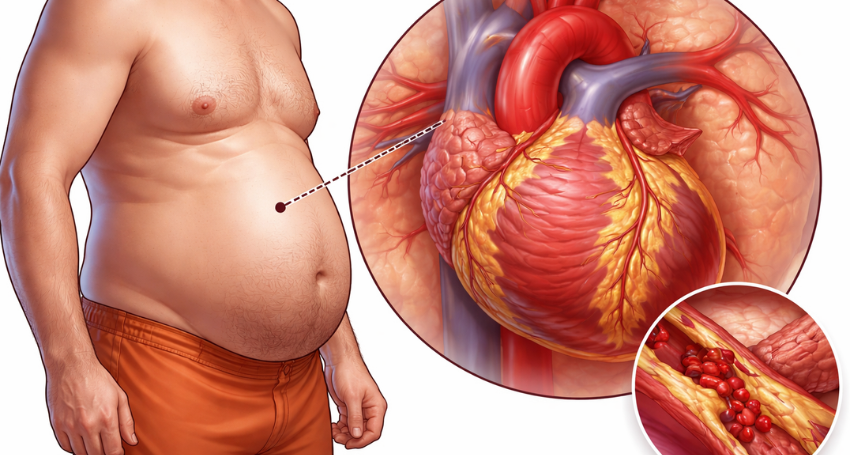
The Hidden Link Between Belly Fat and a Stronger, Healthier Heart
When people think about heart disease, they often focus on cholesterol numbers or blood pressure readings. However, there’s another major risk factor that deserves attention: belly fat. Understanding How Belly Fat Affects Your Heart Health can empower you to take proactive steps toward protecting your cardiovascular system.
While many people view abdominal fat as a cosmetic concern, it actually plays a significant role in heart health. In fact, excess belly fat, especially visceral fat, can directly increase your risk of heart disease, stroke, and other serious conditions. Let’s explore how it works and what you can do about it in this blog
What Makes Belly Fat Different?
Not all body fat behaves the same way. Subcutaneous fat sits just under the skin. Visceral fat, on the other hand, surrounds your internal organs deep within the abdominal cavity.
Why Visceral Fat Is Dangerous
Visceral fat actively releases inflammatory substances and hormones that disrupt your body’s balance. Unlike fat stored in other areas, abdominal fat can:
- Increase insulin resistance
- Raise blood pressure
- Elevate LDL (“bad”) cholesterol
- Lower HDL (“good”) cholesterol
- Promote chronic inflammation
As a result, the connection between abdominal obesity and cardiovascular disease becomes clear. This isn’t just about weight; it’s about metabolic activity that directly affects your heart.
How Belly Fat Affects Your Heart Health at the Biological Level
To truly understand How Belly Fat Affects Your Heart Health, you need to look at what happens inside your body.
1. Inflammation and Artery Damage
Visceral fat produces inflammatory chemicals called cytokines. These substances damage blood vessel walls over time. Consequently, plaque builds up more easily in your arteries, increasing your risk of atherosclerosis.
When arteries narrow, your heart must work harder to pump blood. Eventually, this strain may lead to heart attacks or strokes.
2. Hormonal Imbalance
Abdominal fat also disrupts hormone regulation. For example, it affects adiponectin, a hormone that helps protect your blood vessels. Lower levels of adiponectin increase cardiovascular risk.
At the same time, excess belly fat often increases cortisol levels, which can contribute to higher blood pressure and further fat accumulation around the midsection.
3. Insulin Resistance and Type 2 Diabetes
There’s a strong link between belly fat and insulin resistance. When your cells stop responding properly to insulin, blood sugar levels rise. Over time, this can lead to type 2 diabetes—a major risk factor for heart disease.
Therefore, managing abdominal fat doesn’t just support heart health; it also reduces diabetes risk.
The Cardiovascular Risks of Excess Belly Fat
Understanding How Belly Fat Affects Your Heart Health means recognizing the long-term consequences.
People with larger waist circumferences face higher risks of:
- Coronary artery disease
- Heart attacks
- Stroke
- Heart failure
- High blood pressure
Interestingly, even individuals with a normal body mass index (BMI) can have excess visceral fat. This condition, sometimes called “normal-weight obesity,” still increases cardiovascular risk.
That’s why waist measurement often provides better insight than weight alone. Generally, a waist circumference above 40 inches for men and 35 inches for women signals higher risk.
Signs Your Belly Fat May Be Affecting Your Heart
Belly fat itself doesn’t cause pain. However, it often comes with warning signs that your cardiovascular system may be under stress.
Look for:
- Elevated blood pressure
- High triglyceride levels
- Low HDL cholesterol
- Increased fasting blood sugar
- Shortness of breath during mild activity
If you notice these changes, consult a healthcare professional for screening and personalized guidance.
Can You Reduce the Risk?
The good news is that visceral fat responds well to lifestyle changes. You don’t need extreme diets or unsustainable routines. Instead, focus on consistent, heart-healthy habits.
Prioritize Balanced Nutrition
Choose whole foods rich in fiber, lean protein, and healthy fats. For example:
- Vegetables and fruits
- Whole grains
- Nuts and seeds
- Fatty fish like salmon
- Legumes
At the same time, limit refined carbohydrates, sugary drinks, and ultra-processed foods. These foods spike insulin levels and encourage fat storage around the abdomen.
Increase Physical Activity
Regular exercise directly reduces visceral fat. Aim for:
- 150 minutes of moderate aerobic activity weekly
- Strength training at least twice per week
Even brisk walking can significantly lower abdominal fat over time.
Improve Sleep and Manage Stress
Chronic stress raises cortisol levels, which contribute to belly fat accumulation. Similarly, poor sleep disrupts hormones that regulate hunger and metabolism.
Therefore, aim for 7–9 hours of quality sleep and practice stress-reduction techniques such as mindfulness, deep breathing, or yoga.
Why Public Health Awareness Matters
Understanding How Belly Fat Affects Your Heart Health goes beyond individual choices. It’s also a public health priority.
Communities with limited access to nutritious food, safe exercise spaces, or preventive healthcare face higher risks of obesity and cardiovascular disease. Public health initiatives that promote healthy eating, physical activity, and routine screenings can dramatically reduce heart disease rates.
At This Week in Public Health, we focus on delivering evidence-based insights that empower individuals and communities to make informed decisions. Education remains one of the strongest tools for preventing chronic disease.
Conclusion
Belly fat isn’t just about appearance; it’s about long-term cardiovascular wellness. By understanding How Belly Fat Affects Your Heart Health, you gain the knowledge needed to take action.
Start small. Measure your waist circumference. Schedule a heart health screening. Replace one processed snack with a whole-food option. Go for a daily walk. These steps may seem simple, yet they can significantly lower your risk over time.
If you want to stay informed about the latest public health research, prevention strategies, and expert insights, explore more resources at This Week in Public Health. Knowledge fuels prevention, and prevention protects your heart. Contact us
Your heart works for you every second of every day. Now is the time to return the favor.