Crises and Cures: Maternal Mortality
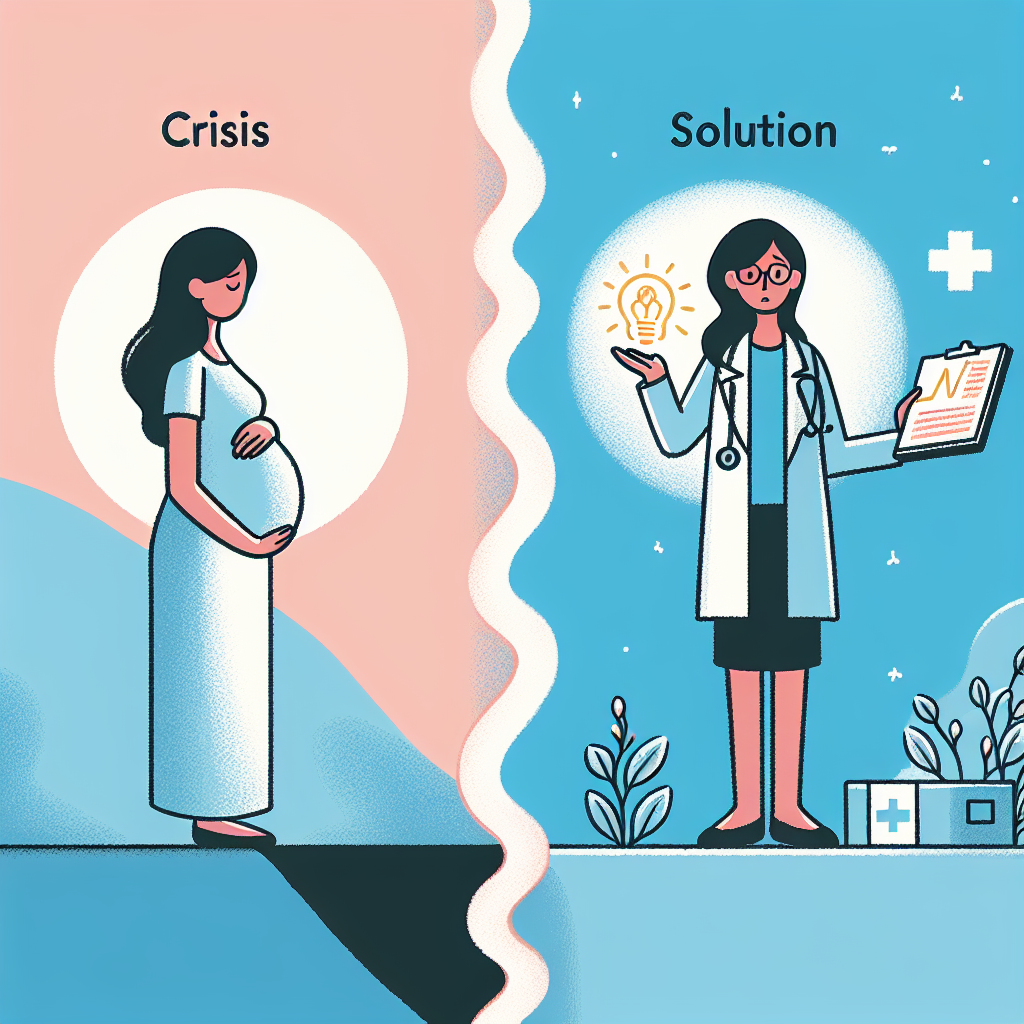
Recent news narratives have brought to light significant public health challenges, juxtaposed against advances that hold promise for the future. This week, two poignant themes have emerged: the ongoing crises in maternal health exacerbated by geopolitical instability, and strides in public health funding aimed at battling some of the world’s most intractable diseases.
The Maternal Mortality Crisis
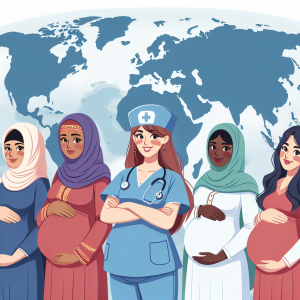
According to the World Health Organization (WHO), nearly two-thirds of all maternal deaths worldwide occur in countries marred by conflict and fragility. This unsettling statistic reflects a systemic failure to provide necessary healthcare to pregnant women in the most vulnerable regions, highlighting a pressing public health concern (UN News).
The Impact of Conflict
In zones of conflict, healthcare infrastructure is often the first to be neglected or destroyed, leading to a lack of essential services, including prenatal and maternal care. This absence of care increases the risk of complications, ultimately contributing to heightened maternal mortality rates. Amid these challenges, humanitarian efforts continue to pursue solutions, but they face an uphill battle (UN News).
Forging Ahead: Advances in Public Health Funding
On a more hopeful note, the recent approval of a $6 billion funding package by the United States to combat HIV/AIDS serves as a beacon of progress. This allocation underscores a significant investment in the fight against a pandemic that has ravaged communities worldwide. The funding aims not only to treat but also to prevent the spread of HIV, reflecting a comprehensive approach to public health (UN News).
Mechanisms of Implementation
This substantial sum is earmarked for increasing access to antiretroviral therapy, expanding testing facilities, and enhancing community outreach programs to reduce stigma and hesitancy surrounding HIV testing and treatment. By targeting these areas, the initiative aims to reduce viral transmission, particularly in regions with high infection rates.
Complementing these efforts, WHO’s research continues to affirm the efficacy of vaccines, particularly in preventing severe illness, underscoring the pivotal role of vaccination programs in global health initiatives (UN News).
Bridging the Gap: Sustaining Efforts in Crisis Situations
Despite the promising developments, sustaining health initiatives in unstable regions remains fraught with challenges. Funding gaps, political instability, and inadequate infrastructure impede the delivery of essential services. These barriers necessitate a concerted global effort to bridge the divide between policy and practice (The Scientist).
The Role of International Aid
International aid organizations must tailor their responses to the intricate dynamics at play in fragile states. This includes adapting health interventions to suit local contexts and ensuring that funds are secured and directed to high-impact areas. The WHO’s call for a $1 billion appeal to enhance healthcare provision in humanitarian crises attests to the scale of the need (UN News).
Further complicating matters is the global shortage of healthcare professionals. Solutions to this problem include training local healthcare workers and deploying international medical teams to areas most in need.
Conclusion
In summary, while daunting challenges in maternal health remain, the strides in public health funding and support for global initiatives offer a glimpse of hope. Addressing these critical issues requires a multifaceted approach that combines policy shifts, sustained funding, and on-the-ground interventions tailored to the unique needs of each region. Only through such comprehensive strategies can we hope to significantly reduce maternal mortality rates and successfully combat global health threats.