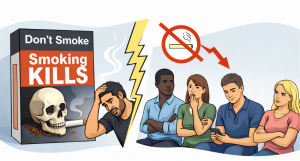

Smoking in Rehab: Understanding the Controversial Policy
When families begin researching addiction treatment, one question often stands out: Why do rehabs allow smoking? At first glance, it seems contradictory. After all, rehab programs focus on health, healing, and long-term recovery. So why would a treatment center permit tobacco use, knowing its well-documented risks?
The answer involves psychology, medical science, and a practical recovery strategy. While not every facility allows smoking, many do, and for reasons grounded in harm reduction and patient stability. Let’s explore the logic behind this policy and what it means for individuals on the path to recovery in this blog.
Why Do Rehabs Allow Smoking During Treatment?
To understand why do rehabs allow smoking, we need to look at the early stages of addiction recovery. Detox and initial treatment can be physically and emotionally intense. Patients often experience withdrawal symptoms such as anxiety, irritability, insomnia, and cravings.
Adding nicotine withdrawal on top of substance withdrawal can significantly increase distress. As a result, many treatment centers prioritize stabilizing the primary addiction first.
1. Reducing Overwhelm During Detox
Withdrawal from alcohol, opioids, or other substances can be severe. If someone also tries to quit smoking simultaneously, the combined withdrawal symptoms may increase the risk.
By allowing smoking temporarily, rehab centers aim to:
- Minimize stress during detox
- Improve treatment retention
- Help patients focus on overcoming their primary substance use disorder.
In other words, treatment professionals often adopt a “one major battle at a time” approach.
2. Harm Reduction Strategy
Harm reduction plays a central role in modern addiction treatment. While smoking carries long-term health risks, it does not typically cause the immediate life-threatening crises that alcohol poisoning or opioid overdoses can cause.
Therefore, some facilities view nicotine as a secondary concern compared to substances that directly impair judgment, increase overdose risk, or lead to criminal behavior.
This perspective helps explain why rehabs allow smoking even though they promote overall wellness.
The Psychological Role of Smoking in Early Recovery
Recovery requires major lifestyle changes. Patients must adjust to structured schedules, therapy sessions, and emotional self-reflection. During this transition, smoking sometimes functions as a coping mechanism.
Familiar Routine and Stress Relief
For many individuals, smoking becomes intertwined with daily rituals. Removing that routine abruptly may create additional instability.
Although smoking is not a healthy coping strategy, it can temporarily:
- Provide a sense of normalcy
- Offer short stress break.s
- Encourage social interaction among pee.rs
However, reputable rehab programs do not present smoking as harmless. Instead, they recognize it as a transitional tool while addressing deeper addiction issues.
Are There Health Concerns With Allowing Smoking?
Absolutely. Tobacco use increases the risk of heart disease, cancer, and respiratory illness. Many healthcare providers actively encourage smoking cessation.
Because of these risks, some modern treatment centers have shifted toward smoke-free campuses. Others offer nicotine replacement therapy (NRT) such as patches or gum.
Importantly, research shows that quitting smoking during addiction treatment can improve long-term sobriety outcomes. As a result, policies continue to evolve.
So, when asking why rehabs allow smoking, it’s helpful to understand that policies vary widely. Some facilities allow designated smoking areas. Others integrate tobacco cessation programs directly into treatment.
Smoke-Free vs. Smoking-Allowed Rehab Programs
Smoke-Free Facilities
These programs:
- Prohibit tobacco use entirely
- Offer nicotine replacement options.
- Provide structured tobacco cessation counseling.
Smoke-free campuses often appeal to individuals who want a fully wellness-focused environment.
Facilities That Allow Smoking
These centers:
- Provide designated smoking areas
- Set strict time limits.
- May incorporate gradual smoking reduction plans
The goal is to balance patient comfort with long-term health planning.
When choosing a program, patients should ask about tobacco policies early. Understanding expectations can prevent surprises during intake.
Why Do Rehabs Allow Smoking If Recovery Promotes Health?
This question touches on a broader truth about addiction treatment: recovery is a process, not a single decision. Most programs prioritize life-threatening addictions first. Once patients gain stability, they often feel more prepared to address other habits like smoking.
Furthermore, addiction specialists understand that forcing too many changes at once may reduce treatment success. Instead, they use phased approaches to promote sustainable healing.
That said, treatment providers increasingly recognize the benefits of comprehensive wellness. Many now integrate:
- Fitness programs
- Nutritional counseling
- Mindfulness practices
- Tobacco cessation planning
This holistic shift reflects ongoing research and patient-centered care models.
What Should Families and Patients Consider?
If you or a loved one feels concerned about smoking policies in rehab, consider these factors:
- Does the facility offer optional smoking cessation support?
- Are there clear rules around tobacco use?
- Does the program focus on overall wellness beyond substance use?
Open communication with treatment providers helps ensure the program aligns with your health goals.
Conclusion
Ultimately, understanding why rehabs allow smoking requires seeing recovery through a clinical lens. Treatment professionals aim to save lives first. Once stability improves, patients can tackle additional health goals with stronger coping skills and emotional resilience.
If you’re exploring addiction treatment options, reliable information makes a difference. At This Week in Public Health, we provide evidence-based insights into substance use, mental health, and community wellness initiatives. Staying informed empowers families and individuals to make confident healthcare decisions.If you’re seeking trustworthy public health resources or want to better understand addiction recovery trends, explore more articles on our website today. Knowledge is a powerful first step toward healing. Contact us