
Sudan’s Humanitarian Health Crisis
Sudan is currently facing one of the most severe humanitarian and health crises in the world. Ongoing conflict has plunged the nation into chaos, leaving millions of civilians in desperate need of aid. The World Health Organization has reported that over 20 million people in Sudan now require humanitarian assistance, with the healthcare system on the verge of collapse
The Impact of War on Sudan’s Health Infrastructure
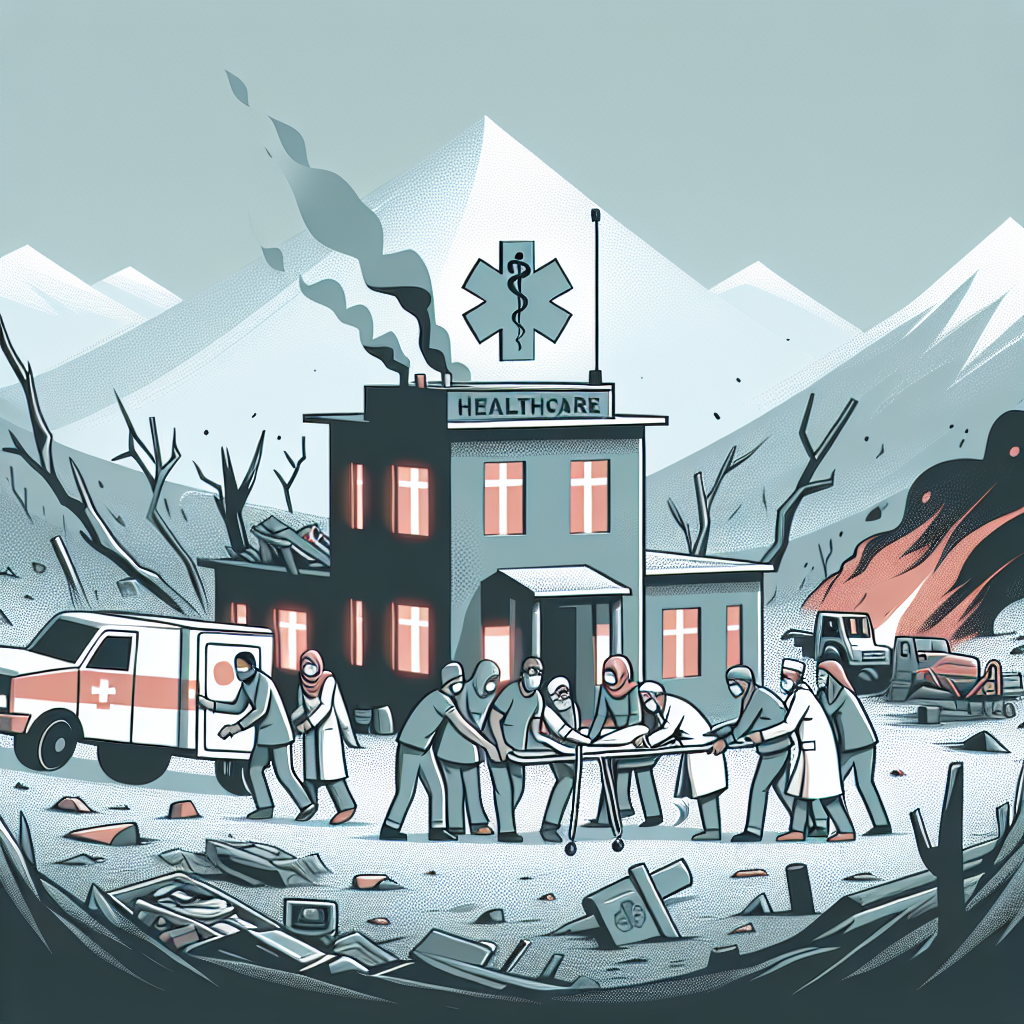
The conflict in Sudan has not only disrupted economic and social stability but has also crippled its healthcare facilities. The war has left 70-80% of hospitals in conflict-affected areas non-operational, resulting in a severe shortage of medical supplies and personnel. This exacerbates the situation, leaving many without access to essential healthcare services.
A Looming Health Crisis
The collapse of the healthcare infrastructure means that routine medical services, such as immunizations and basic health care, are no longer available to the public. Health experts predict a significant increase in preventable diseases, compounding the crisis with rising cases of malnutrition, especially among children.
Gender-Specific Challenges
The impact of the humanitarian crisis is not gender-neutral. Women and girls, who are often the caretakers in the family, face heightened risk from gender-based violence, which has doubled since the conflict began. This societal crisis has further strained the already fragile healthcare settings.
International Response and Challenges
International humanitarian organizations are struggling to provide adequate support due to the dangerous and inaccessible environment. Agencies, including the UN and NGOs like the International Rescue Committee, report increasing difficulties in delivering life-saving aid due to security concerns.
Global Attention Needed
To avert further disaster, global attention and resources need to be directed urgently to Sudan. This includes increased funding, political intervention to cease hostilities, and strategic planning to restore health services. Humanitarian aid must be ramped up to prevent a complete collapse of Sudan’s health security, which would affect millions more in the region.
Ultimately, the crisis in Sudan serves as a grim reminder of how quickly public health systems can fail under the pressure of conflict, and it calls for an immediate global response to prevent a worsening humanitarian disaster.