The Impact of Climate Change on Natural Disasters
In recent years, communities across the globe have witnessed a sharp rise in extreme weather events. From devastating floods to record-breaking heatwaves, these disasters are no longer isolated incidents. Instead, they are becoming frequent and more destructive. At the center of this growing concern lies the impact of climate change on natural disasters, which continues to reshape how societies experience and respond to environmental risks.
Climate change influences weather patterns, sea levels, and ecosystems in complex ways. As global temperatures rise, natural systems become increasingly unstable, creating conditions that intensify storms, droughts, and wildfires. Understanding this connection is essential for public health professionals, policymakers, and everyday citizens who want to prepare for a safer future.
Understanding the Impact of Climate Change on Natural Disasters
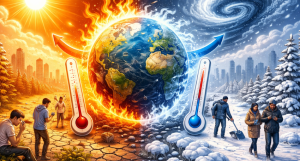
Climate change primarily occurs due to increased greenhouse gas emissions, which trap heat in the Earth’s atmosphere. As a result, global temperatures continue to rise, disrupting long-established climate patterns.
This warming affects oceans, air circulation, and land systems. Warmer oceans fuel stronger hurricanes, while higher temperatures dry out forests and farmland. Meanwhile, melting glaciers and ice sheets contribute to rising sea levels, increasing the risk of coastal flooding.
Because of these changes, natural disasters are no longer following predictable seasonal patterns. Instead, they are occurring more frequently and with greater intensity, making disaster preparedness more challenging than ever before.
How Climate Change Intensifies Different Natural Disasters
Rising Temperatures and Heatwaves
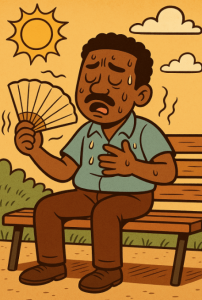
One of the most visible effects of climate change is the increase in heatwaves. Higher temperatures place immense stress on human health, infrastructure, and ecosystems. Prolonged heat can worsen air quality, increase dehydration risks, and lead to higher mortality rates, especially among vulnerable populations.
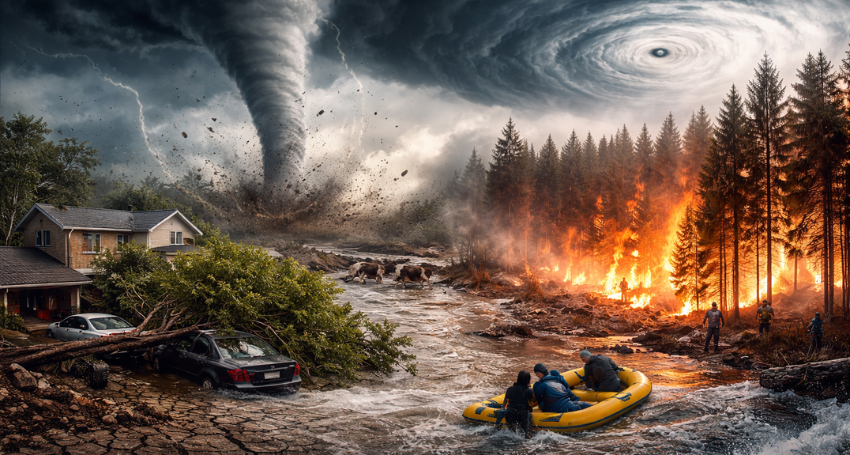
Additionally, extreme heat dries vegetation, creating ideal conditions for wildfires. As forests and grasslands become drier, fires spread faster and burn more intensely, threatening homes and wildlife habitats.
Floods and Heavy Rainfall
Warmer air holds more moisture, which leads to heavier rainfall. When storms release this excess moisture, flash floods and river overflows become more likely. Urban areas, in particular, struggle with drainage systems that were not designed for such intense rainfall.
As a result, flooding damages homes, contaminates drinking water, and increases the risk of waterborne diseases. Over time, repeated flooding also weakens infrastructure, making communities more vulnerable to future disasters.
Hurricanes and Tropical Storms
Oceans absorb most of the heat generated by climate change. As sea surface temperatures rise, hurricanes and tropical storms gain more energy. This leads to stronger winds, heavier rainfall, and more destructive storm surges.
These intensified storms cause widespread power outages, displacement, and economic losses. Furthermore, coastal communities face long-term challenges due to erosion and rising sea levels.
Droughts and Water Scarcity
While some regions experience heavier rainfall, others suffer from prolonged droughts. Changes in precipitation patterns reduce water availability in many parts of the world. Agriculture, wildlife, and drinking water supplies are directly affected.
Extended droughts also increase food insecurity and contribute to social instability, particularly in regions that rely heavily on farming and livestock.
Public Health and Social Consequences
The impact of climate change on natural disasters extends beyond environmental damage. It has significant implications for public health and social well-being.
After major disasters, communities often face outbreaks of infectious diseases, mental health challenges, and limited access to medical services. Displacement and loss of livelihood further strain healthcare systems. Children, elderly individuals, and low-income populations are especially at risk.
Moreover, repeated exposure to disasters can lead to chronic stress, anxiety, and depression. These long-term psychological effects are increasingly recognized as major public health concerns.
Building Resilience Through Preparedness and Policy
Addressing climate-related disasters requires coordinated efforts at local, national, and global levels. Governments and organizations must invest in early warning systems, resilient infrastructure, and disaster response planning.
Education also plays a crucial role. When communities understand climate risks, they are more likely to adopt preventive measures such as emergency planning, water conservation, and sustainable land use practices.
In addition, reducing greenhouse gas emissions remains a critical step. Renewable energy, energy efficiency, and environmentally responsible policies can help slow climate change and reduce future risks.
Why Awareness and Action Matter Now
Climate change is not a distant threat, it is a present reality. Every year, the financial and human costs of natural disasters continue to rise. Without meaningful action, these trends are expected to worsen.
However, informed decision-making can make a difference. When individuals, businesses, and governments work together, they can build safer, more adaptable communities. Awareness leads to preparation, and preparation saves lives.
Conclusion
Understanding the impact of climate change on natural disasters is the first step toward meaningful action. Whether you are a healthcare professional, policymaker, student, or concerned citizen, your role matters.
At This Week in Public Health, we are committed to providing accurate, timely, and practical insights into today’s most pressing environmental and health challenges. Stay connected with our latest research, expert perspectives, and community resources to help you make informed decisions.
Contact us to our updates, and join the conversation on building a healthier, more resilient future for all.