Gaps in U.S. Wireless Health Protection?
What if the safety rules governing wireless technology had been written before smartphones, Wi-Fi everywhere, and kids carrying devices all day?
A major 2025 review says that’s exactly the problem and it has real consequences for public health, equity, and prevention
Takeaway 1: U.S. wireless safety rules are stuck in 1996
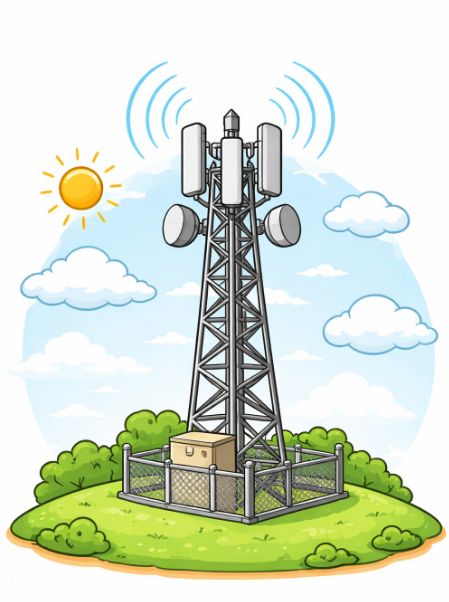
Today’s exposure limits were built to prevent short-term heating—not long-term, everyday exposure from phones, routers, and cell towers. Science has moved on, but the rules have not.
That means current standards don’t fully account for chronic exposure, cumulative effects, or modern use patterns like phones in pockets, homes filled with wireless devices, and dense urban infrastructure. For policymakers and health leaders, this is a familiar story: outdated rules trying to govern a rapidly changing environment.
Takeaway 2: Children and vulnerable groups aren’t adequately protected
Most safety testing still assumes a large adult male body. But children’s bodies absorb more radiation because their skulls are thinner and their tissues are developing. The review highlights evidence that kids, pregnant people, and even wildlife may face higher risks under current policies.
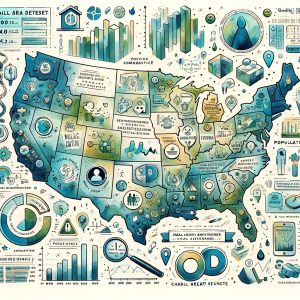
From a health equity lens, this matters. Schools, daycares, and low-income neighborhoods often have higher exposure to wireless infrastructure—but no extra safeguards. Protection is “one-size-fits-all,” even when science suggests it shouldn’t be.
Takeaway 3: The U.S. lacks basic monitoring and accountability
Unlike many other countries, the U.S. does not routinely monitor environmental exposure levels, require strong pre-market testing, or run post-market health surveillance. In practice, this means we often don’t know where exposure is highest—or who is most affected.
A federal court has already ruled that regulators failed to properly explain how current limits protect health, especially for children and long-term exposure. Yet years later, the gaps remain. For prevention-focused public health, this is a red flag: you can’t manage what you don’t measure.
Conclusion
Governance is catching up with science. Updating standards, improving transparency, and centering vulnerable communities are classic public health moves that could turn uncertainty into prevention.
Which takeaway feels most urgent for your community—outdated rules, child protection, or lack of monitoring? Share this post and keep the conversation going.